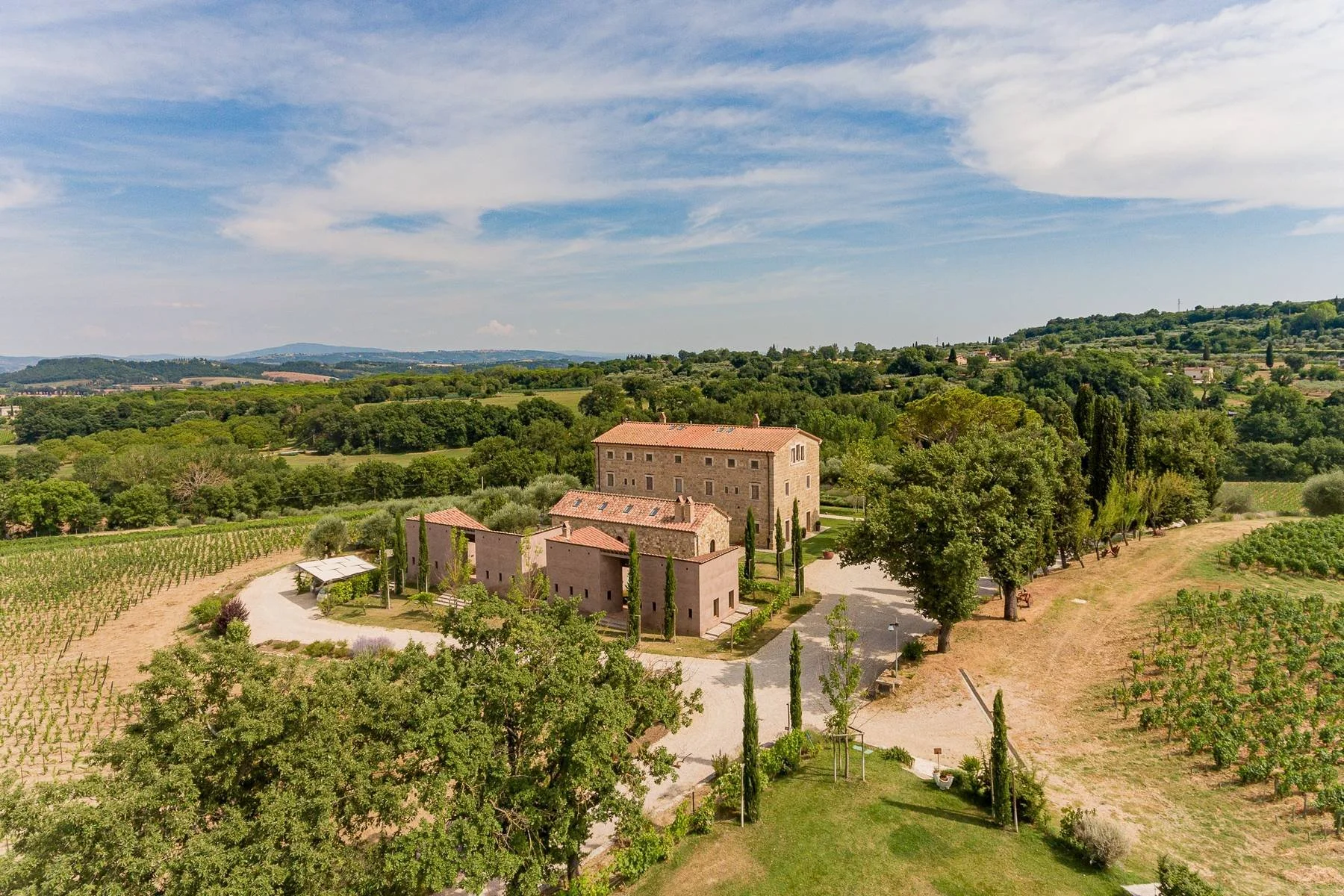
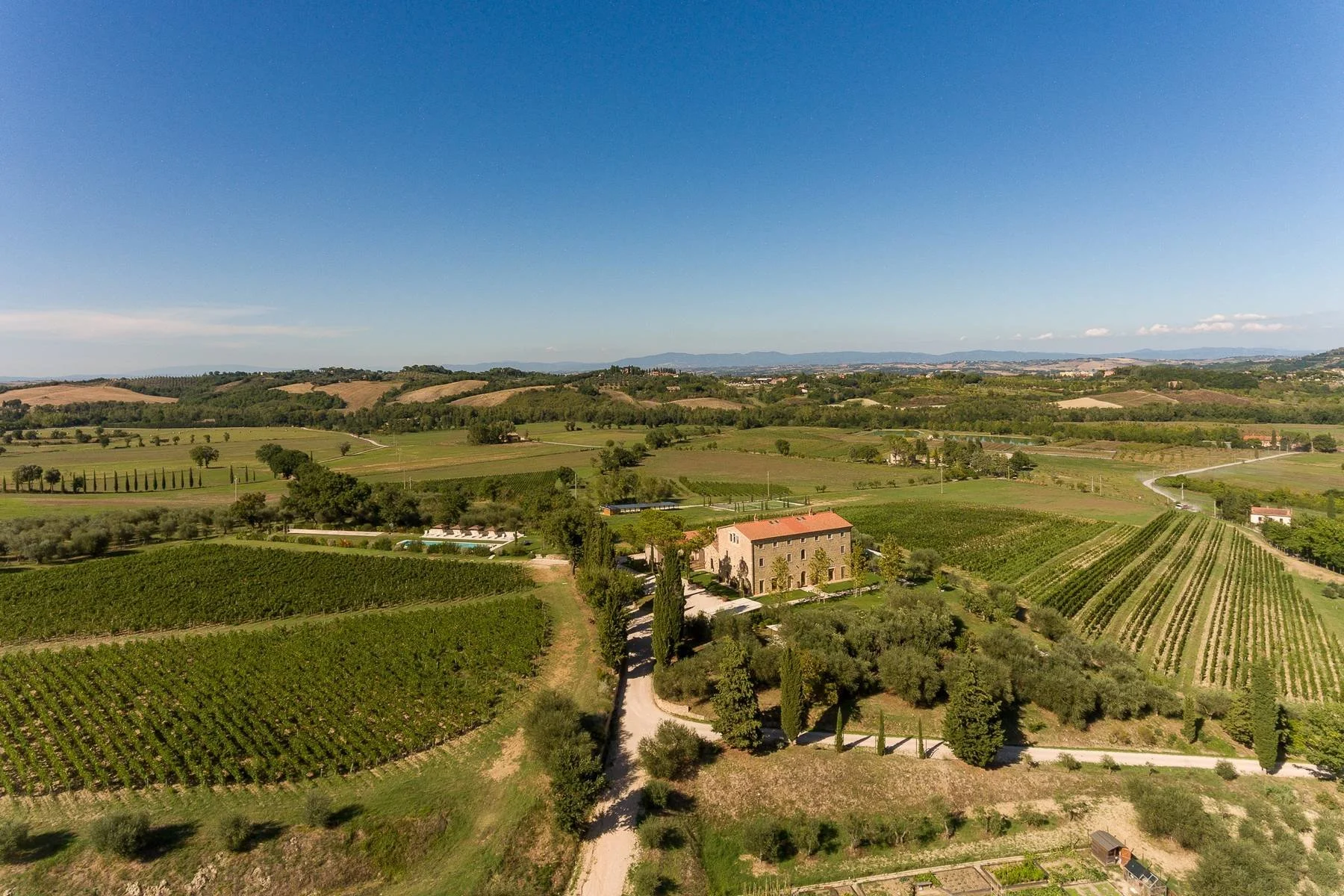
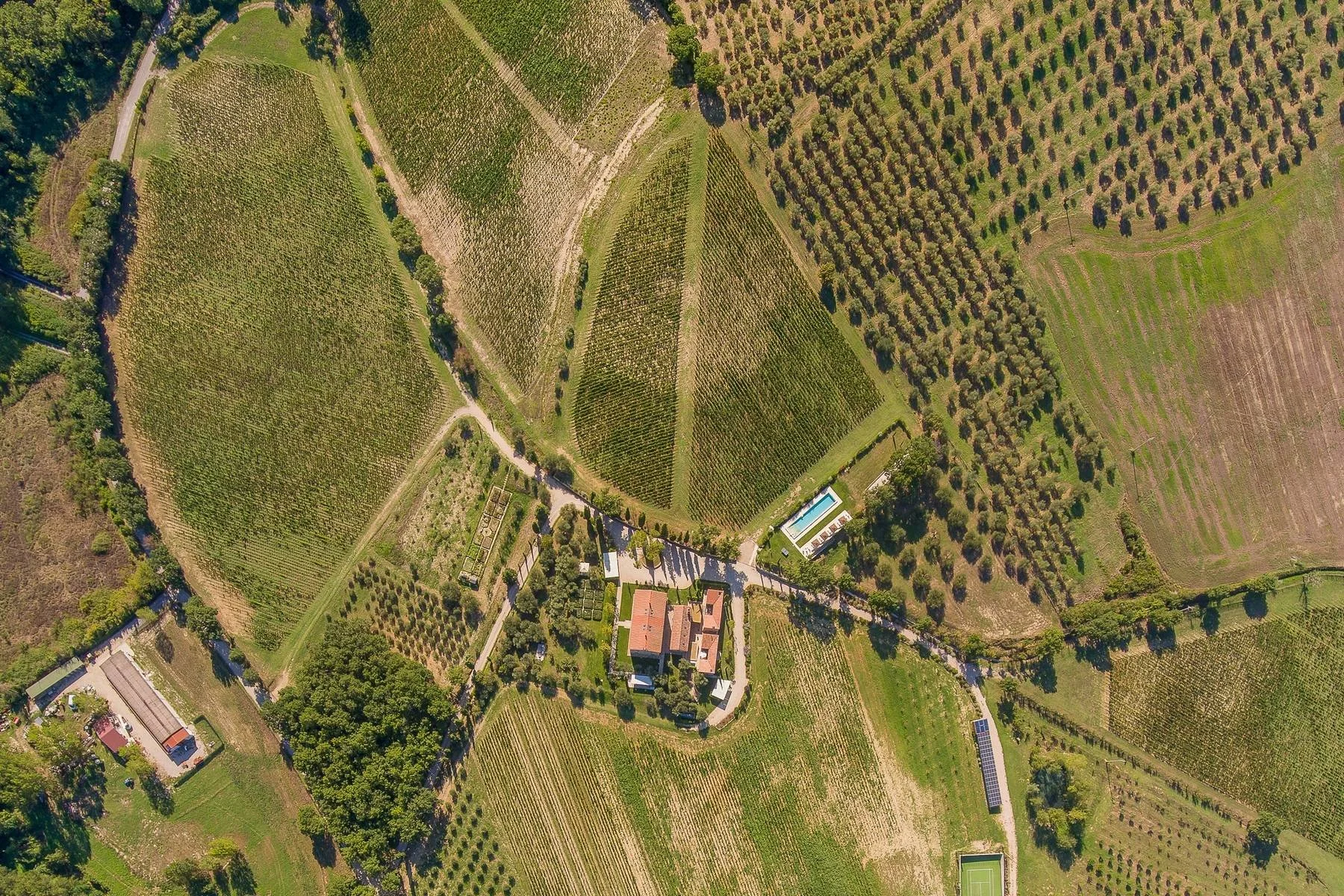
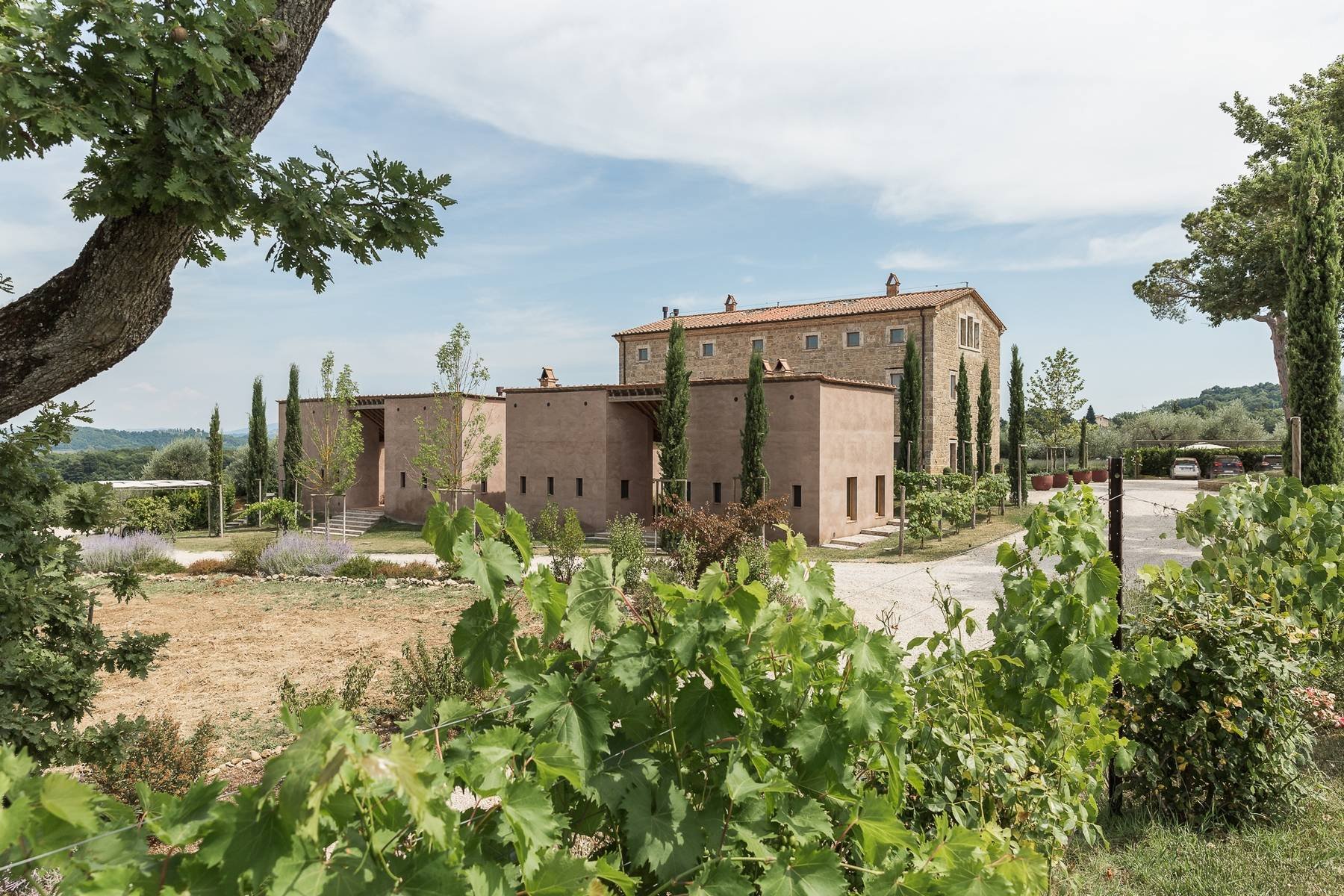
Listed with Italy Sotheby’s International Realty for €8,500,000, this restored Tuscan wine estate sits in the countryside near Siena, at the gateway to the Val d’Orcia. Spanning approximately 25 hectares (62 acres), the property brings together a historic villa, working vineyards, and modern infrastructure in a configuration that has become increasingly rare in Tuscany.
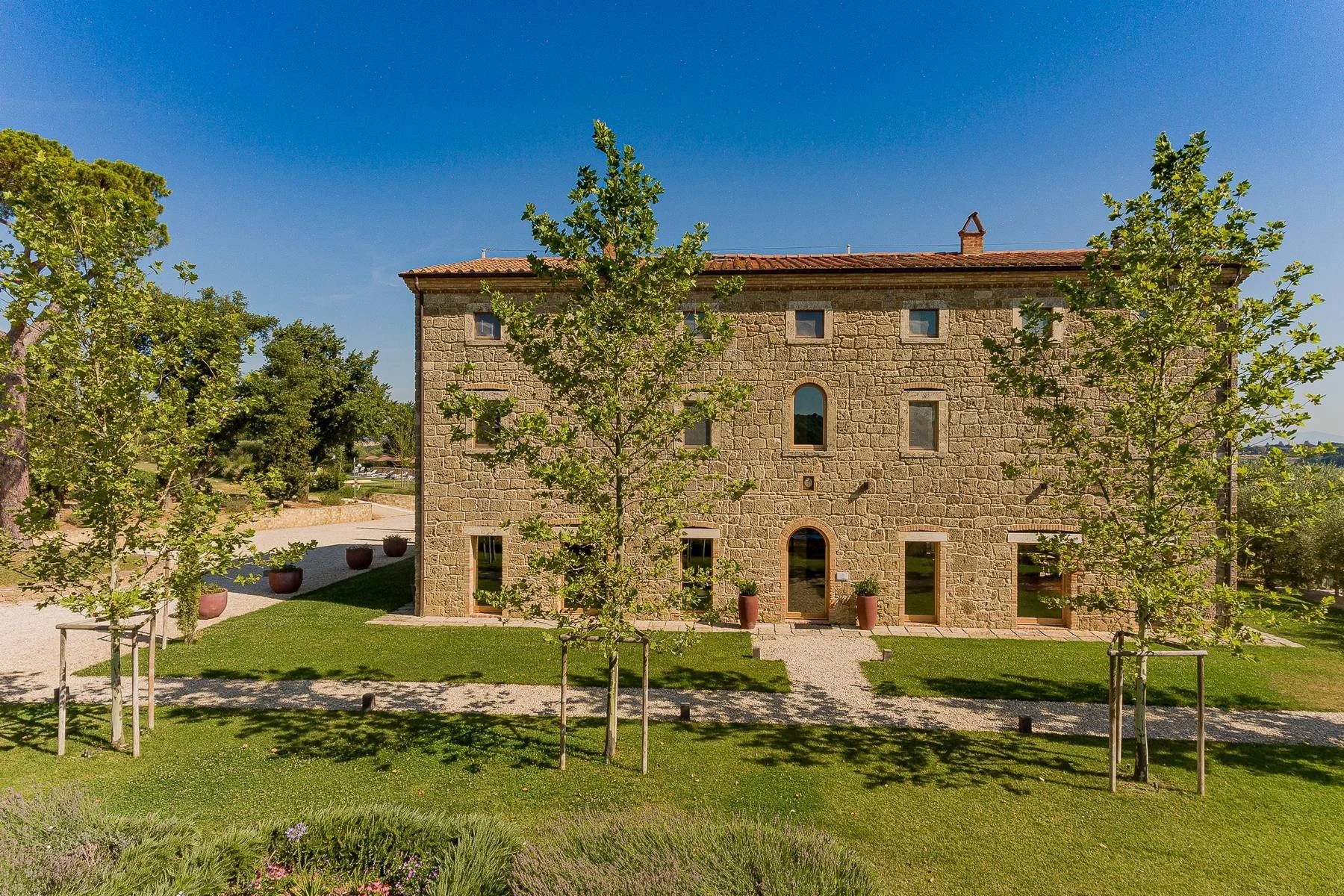
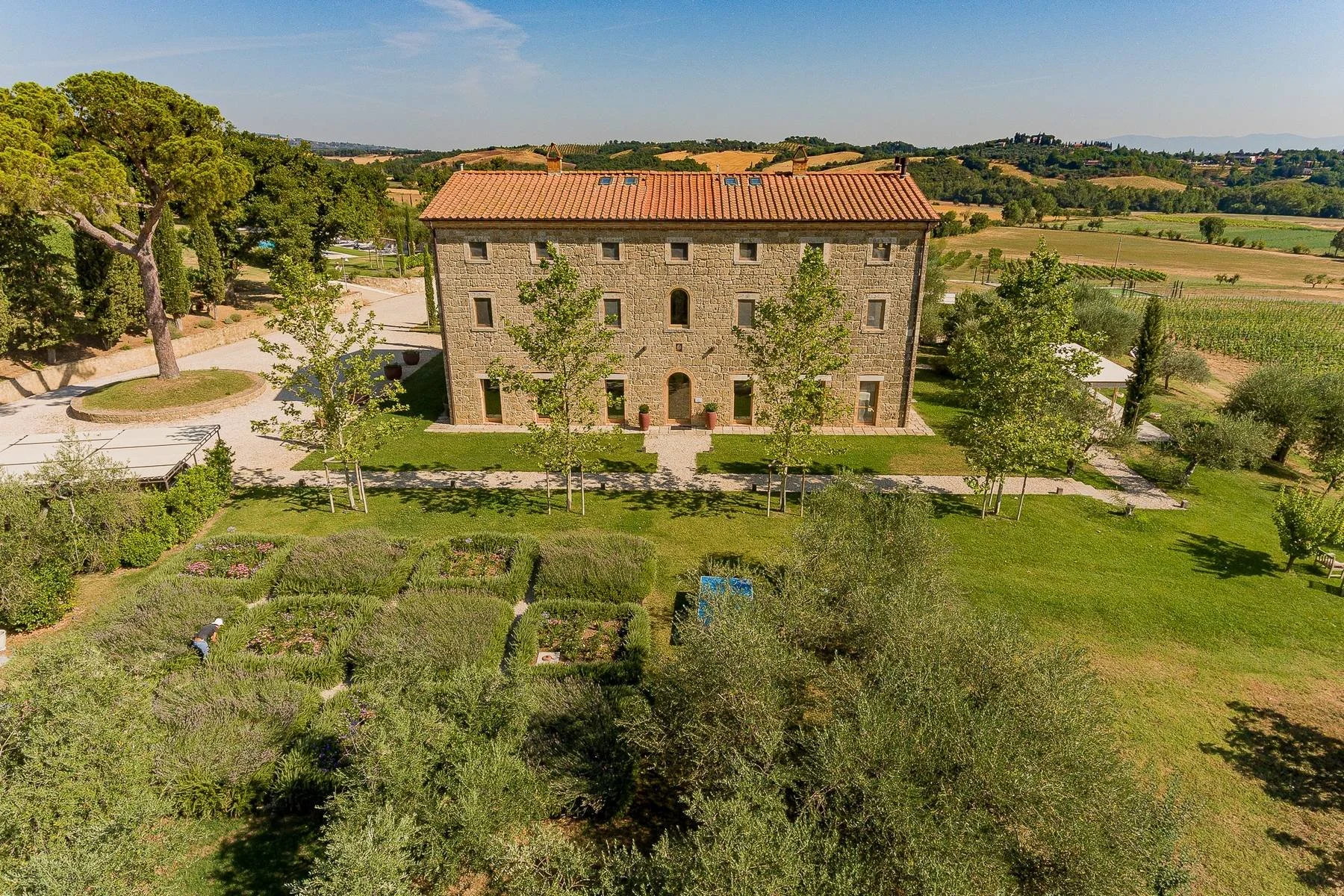
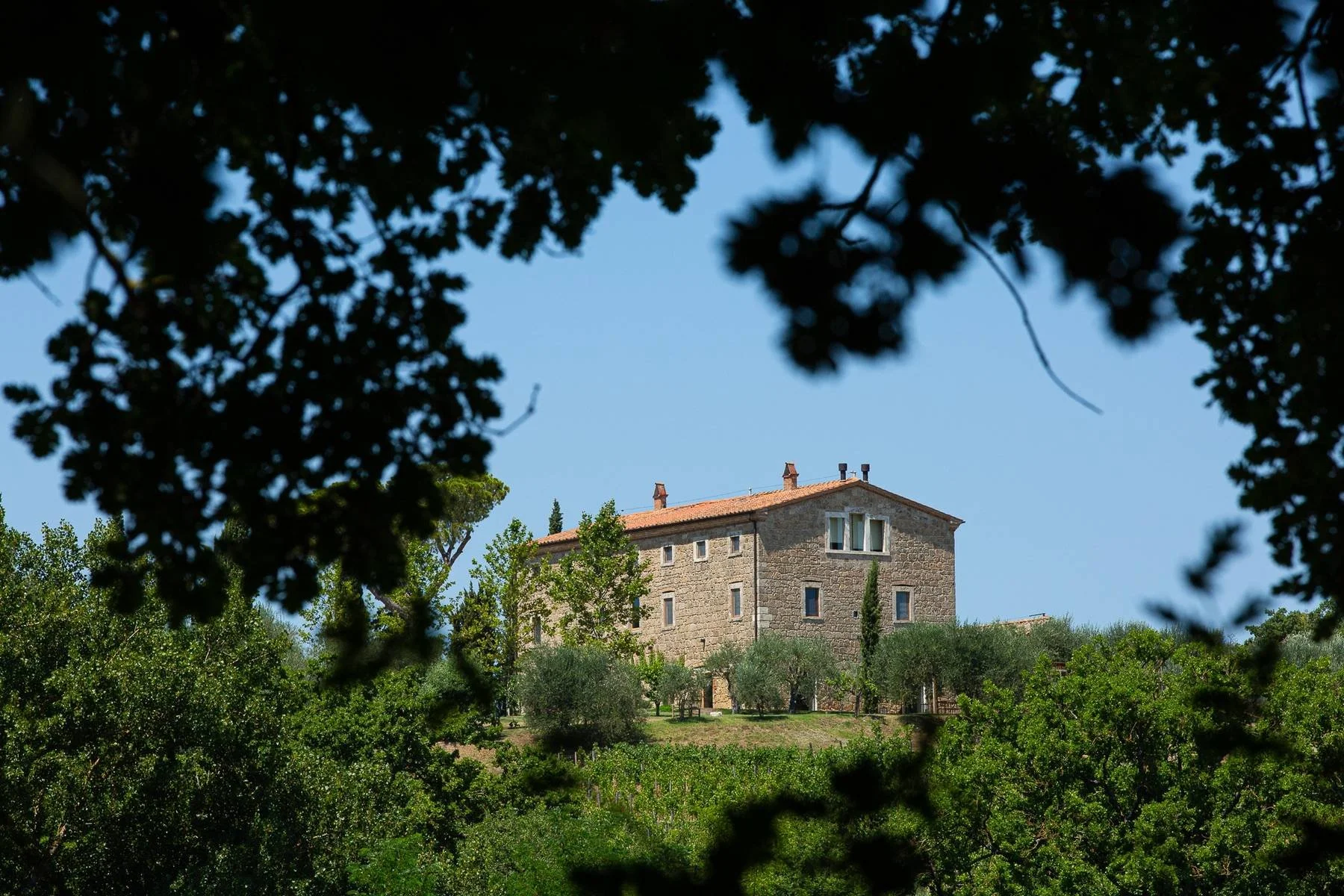
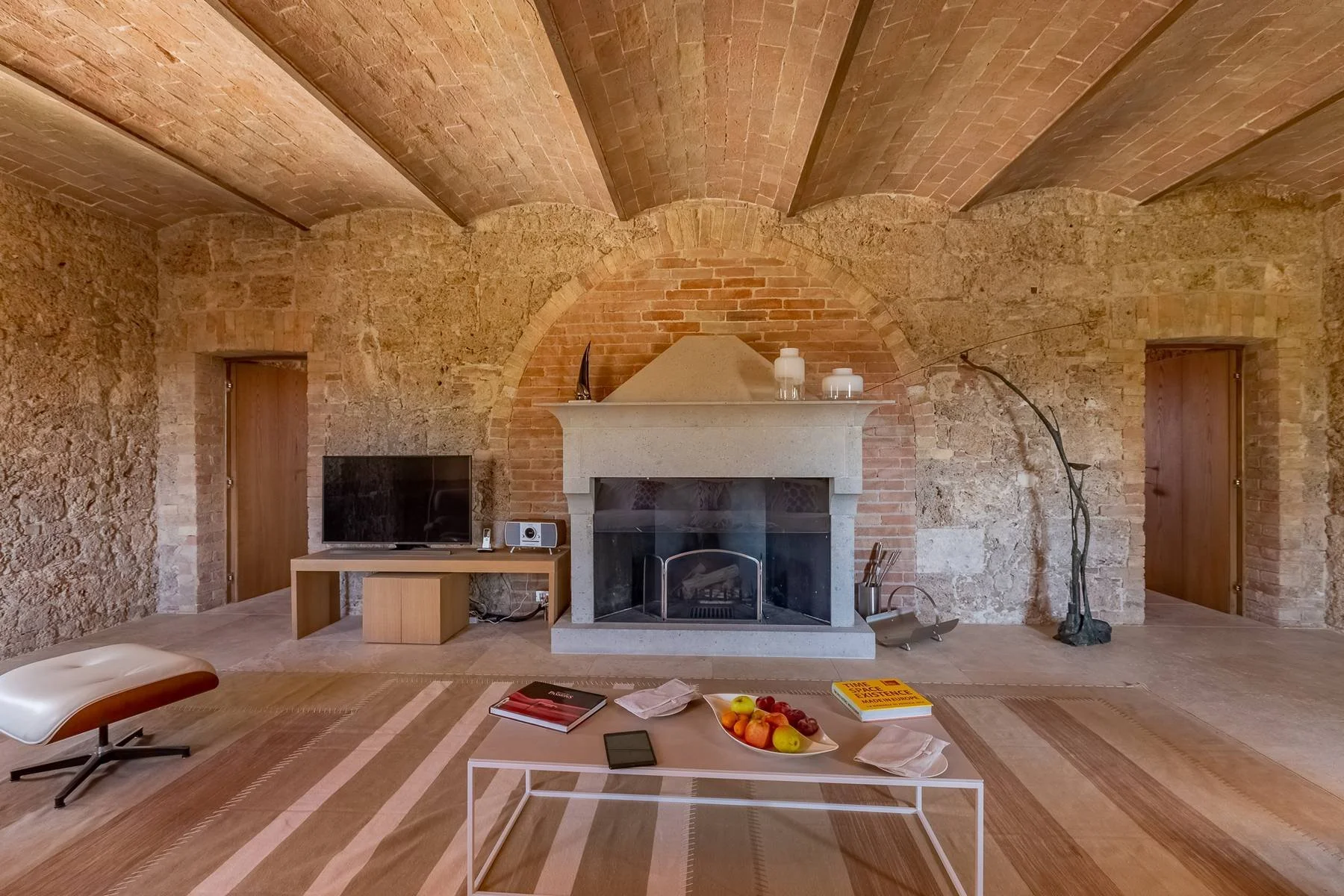
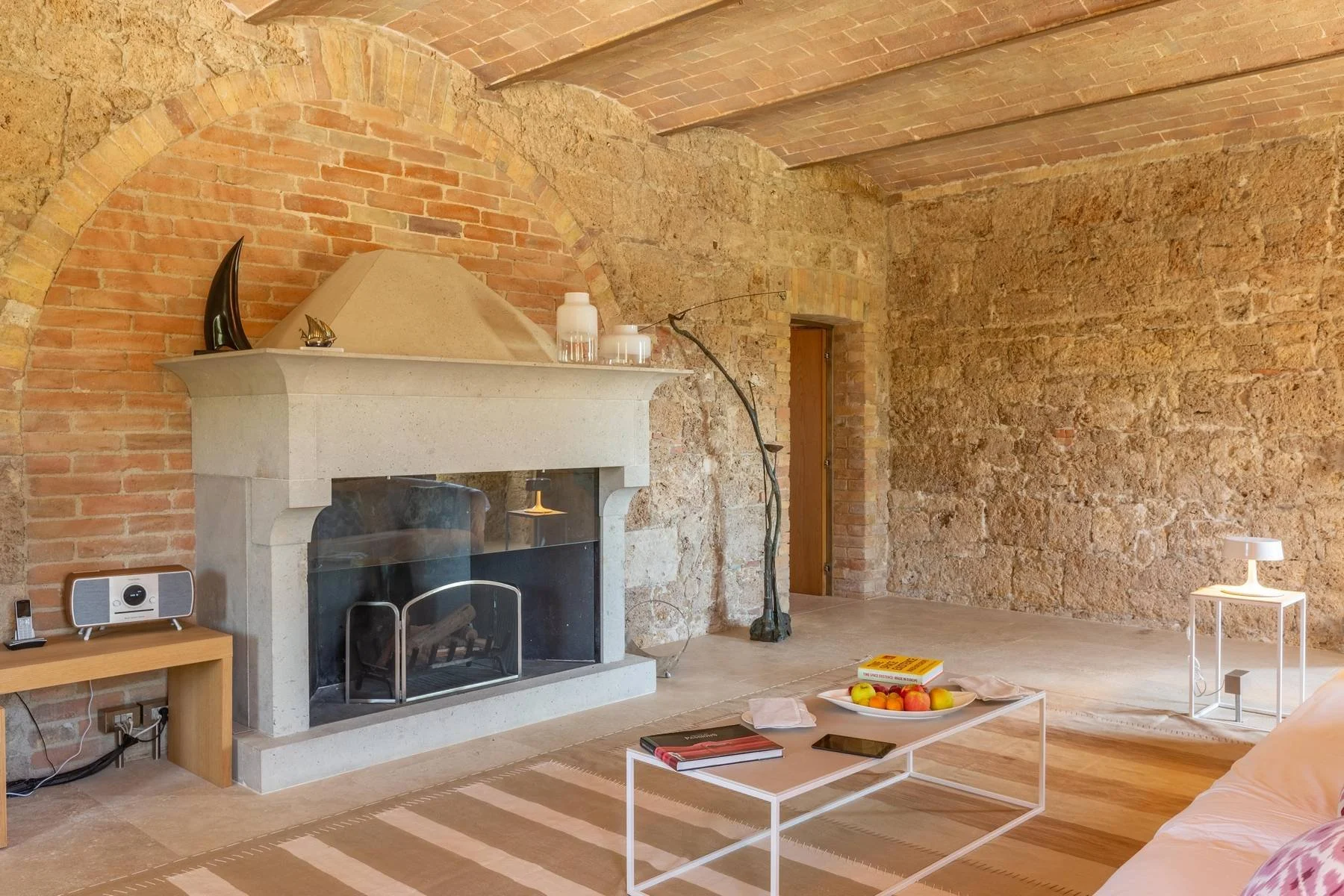
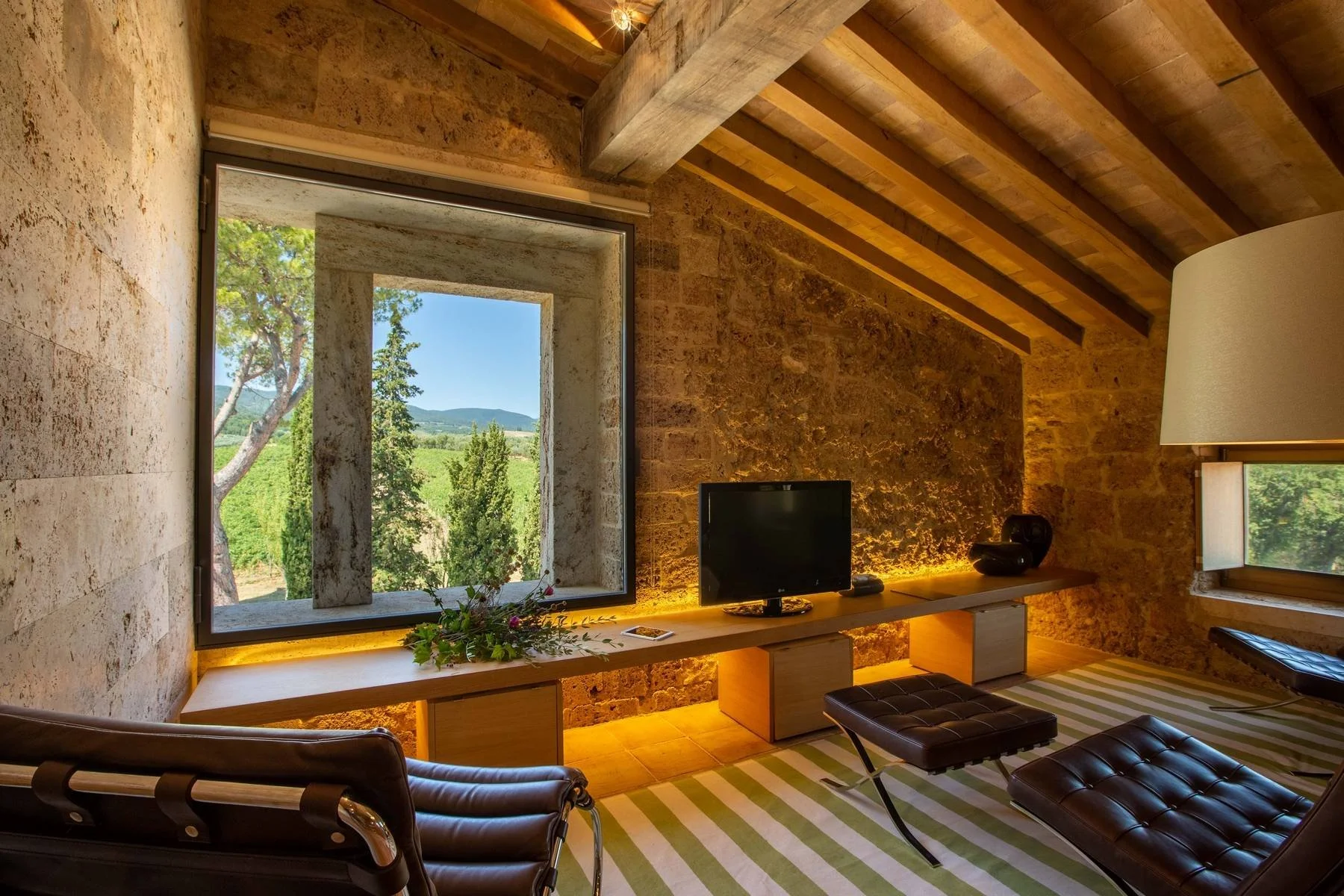
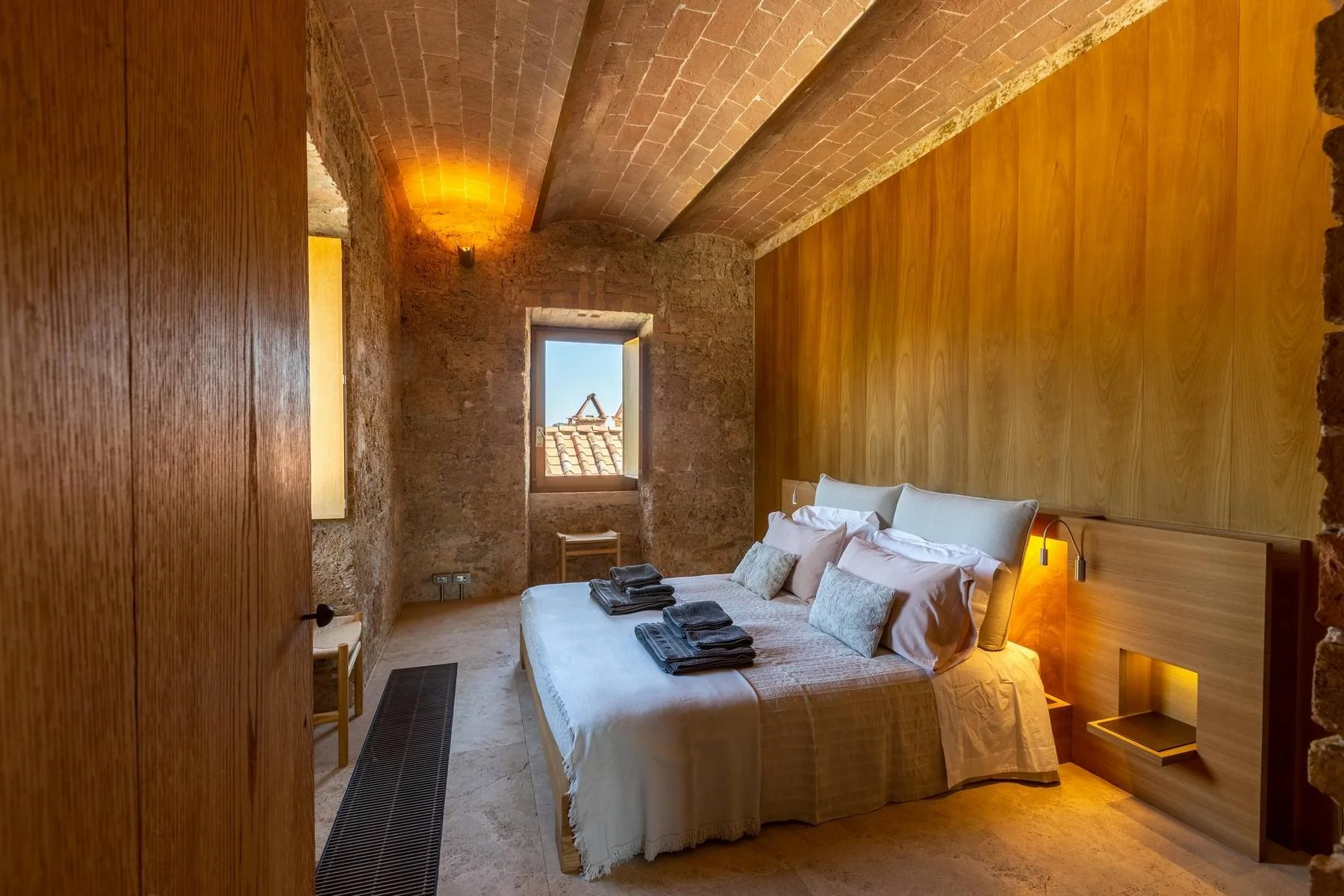
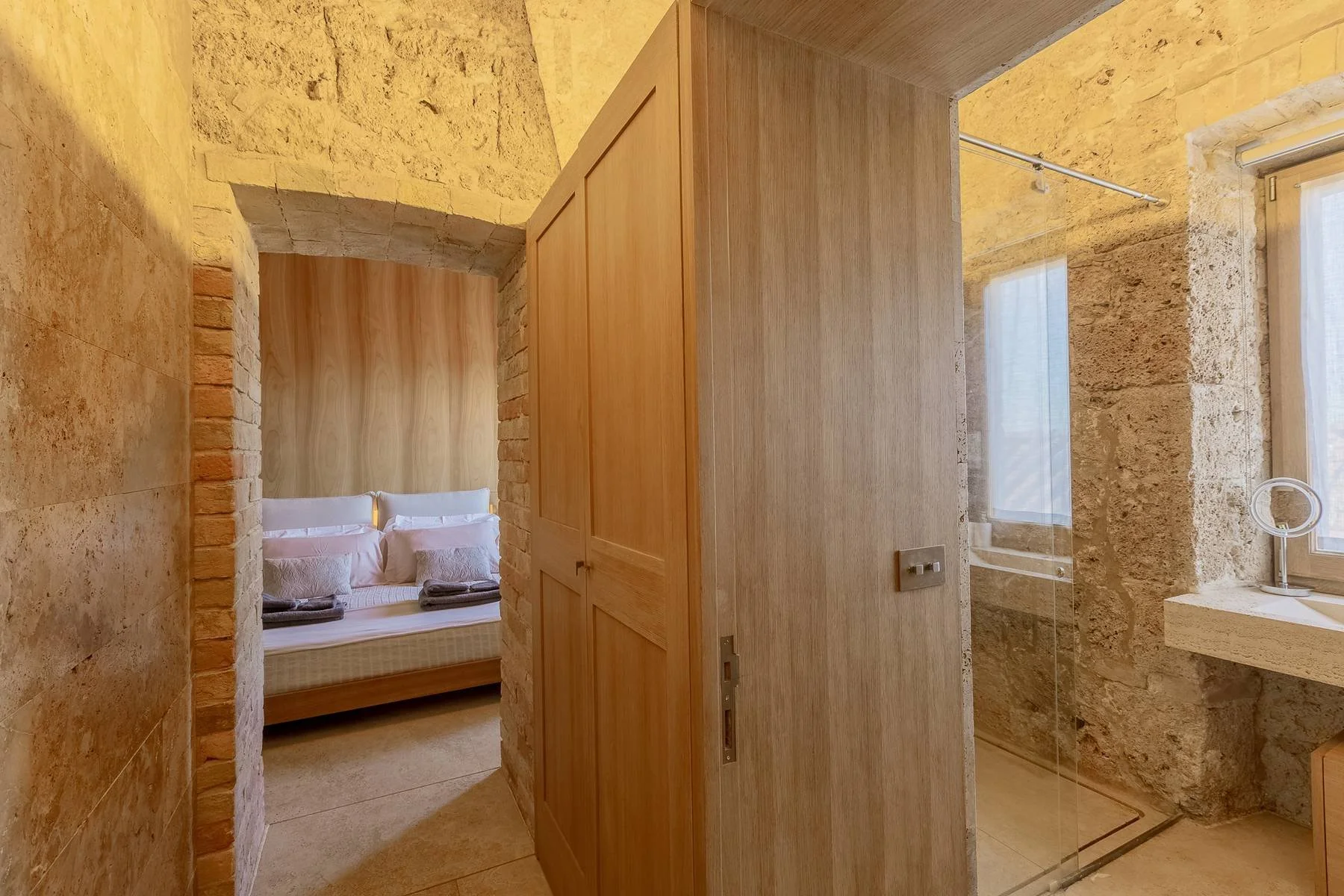
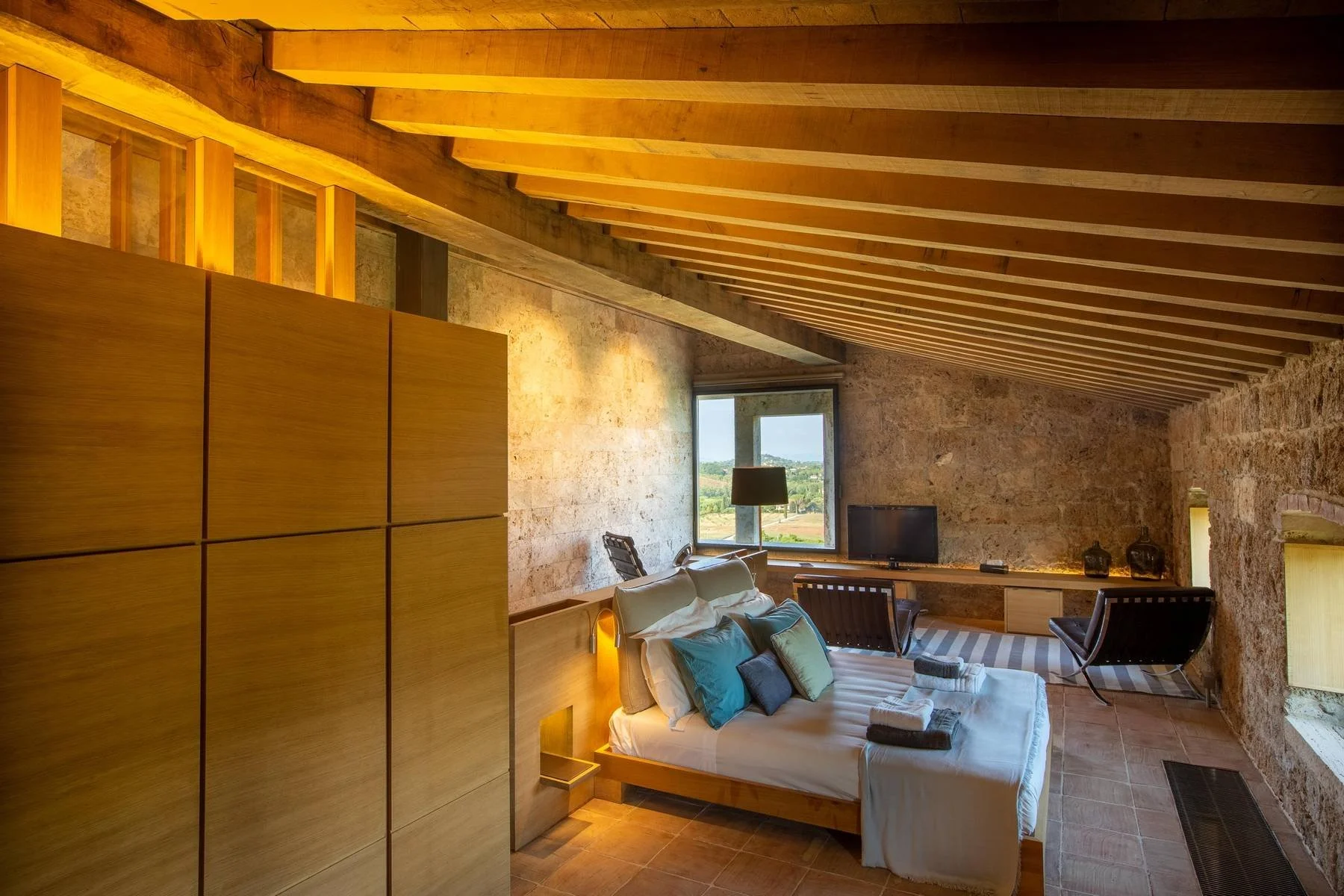
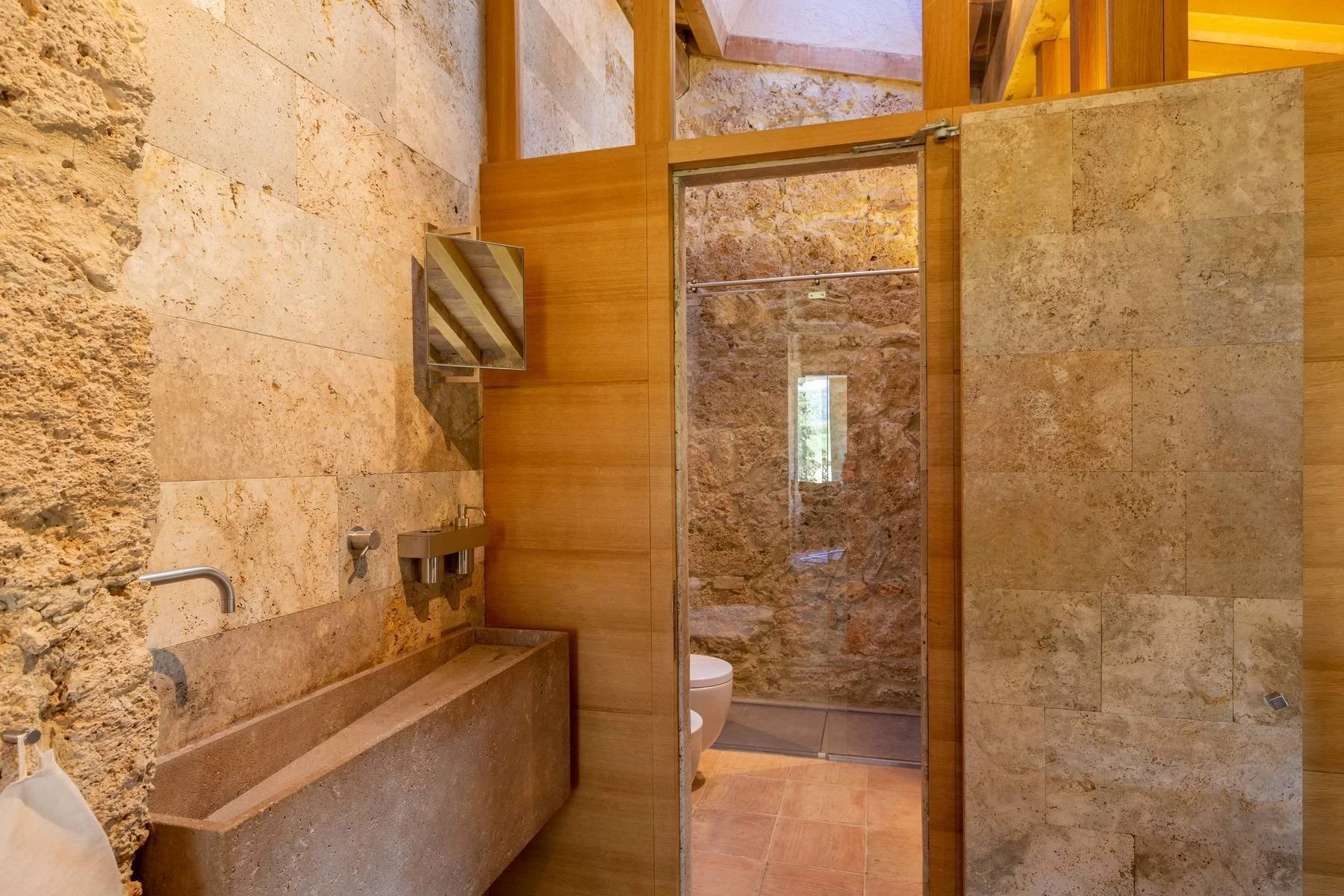
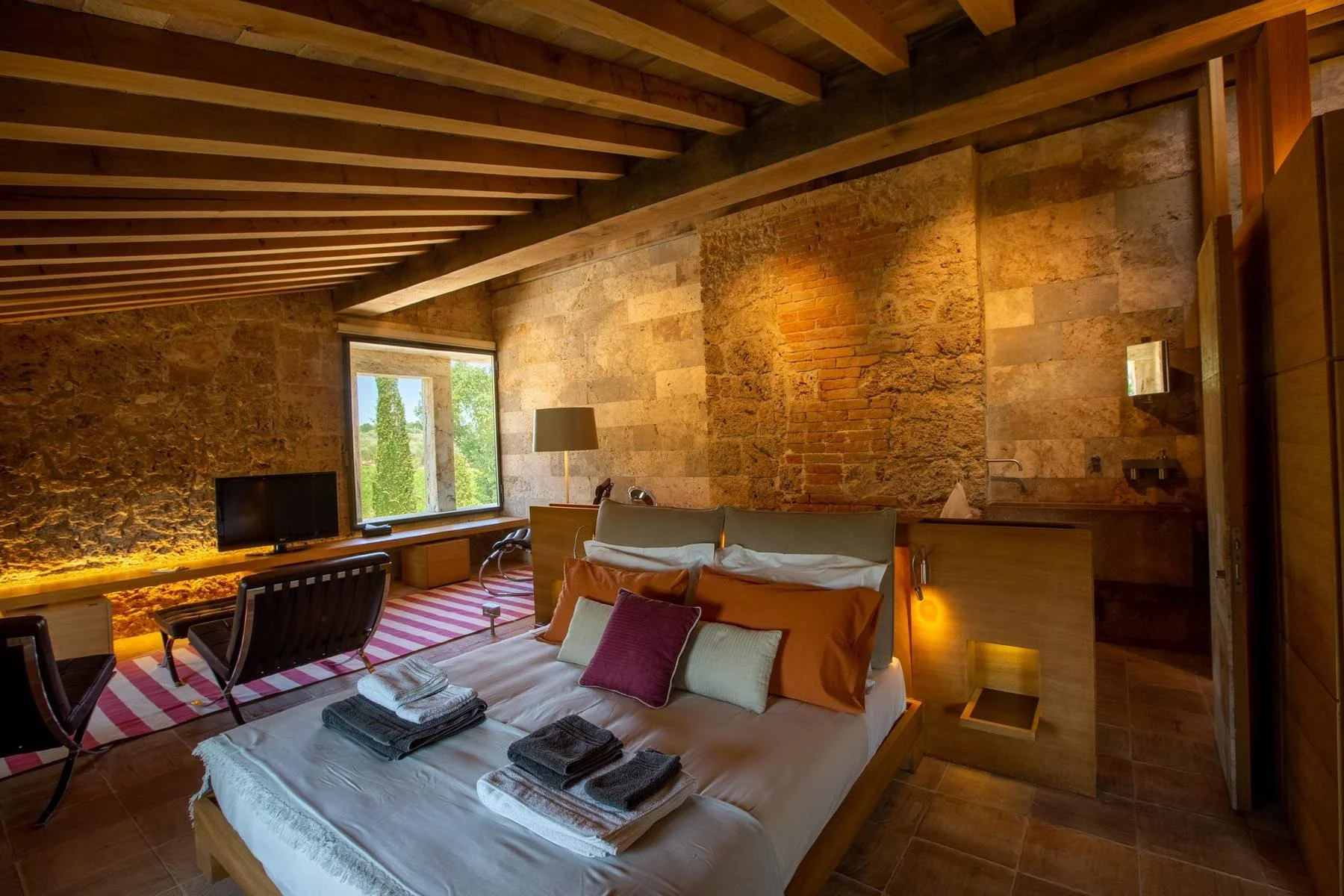
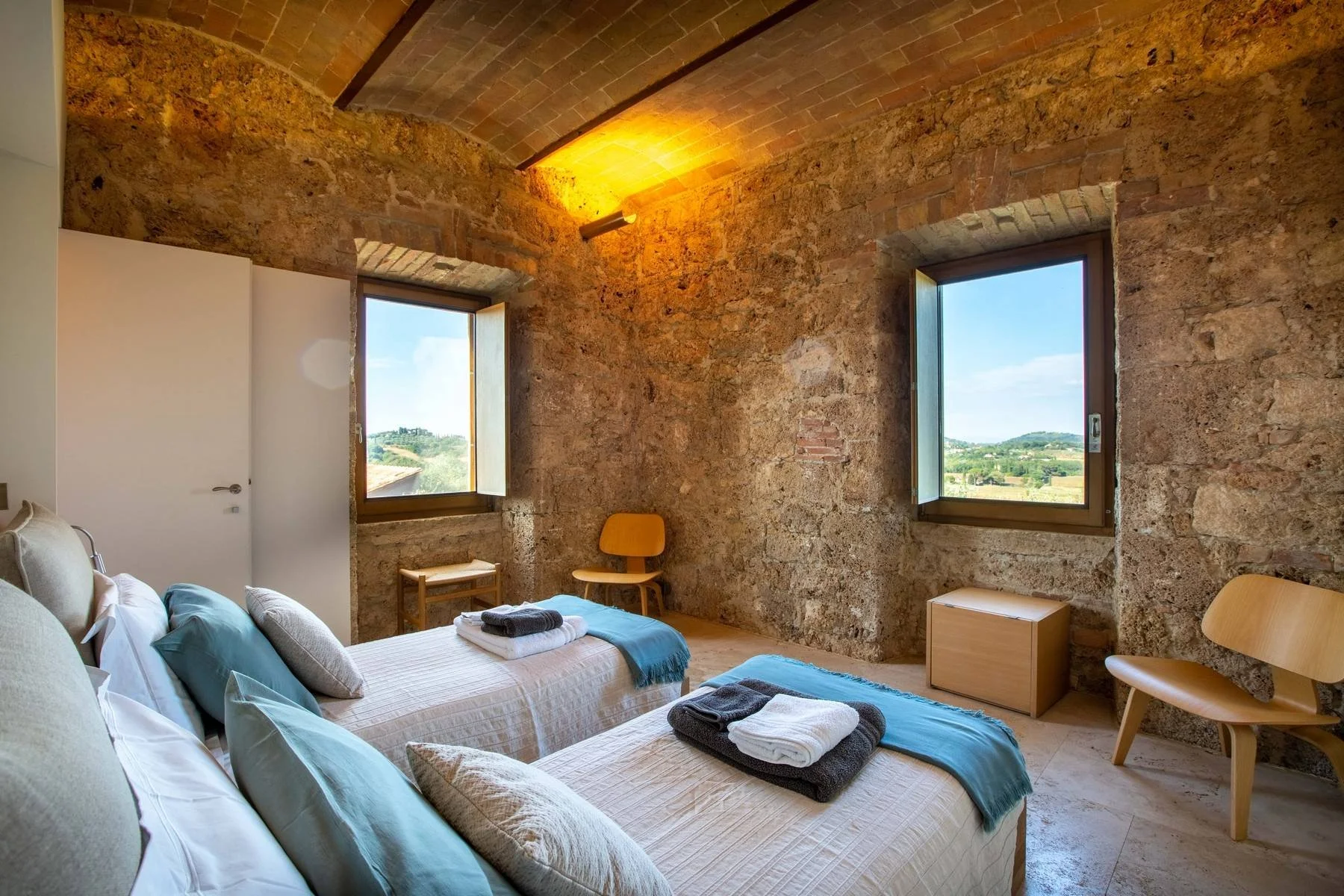
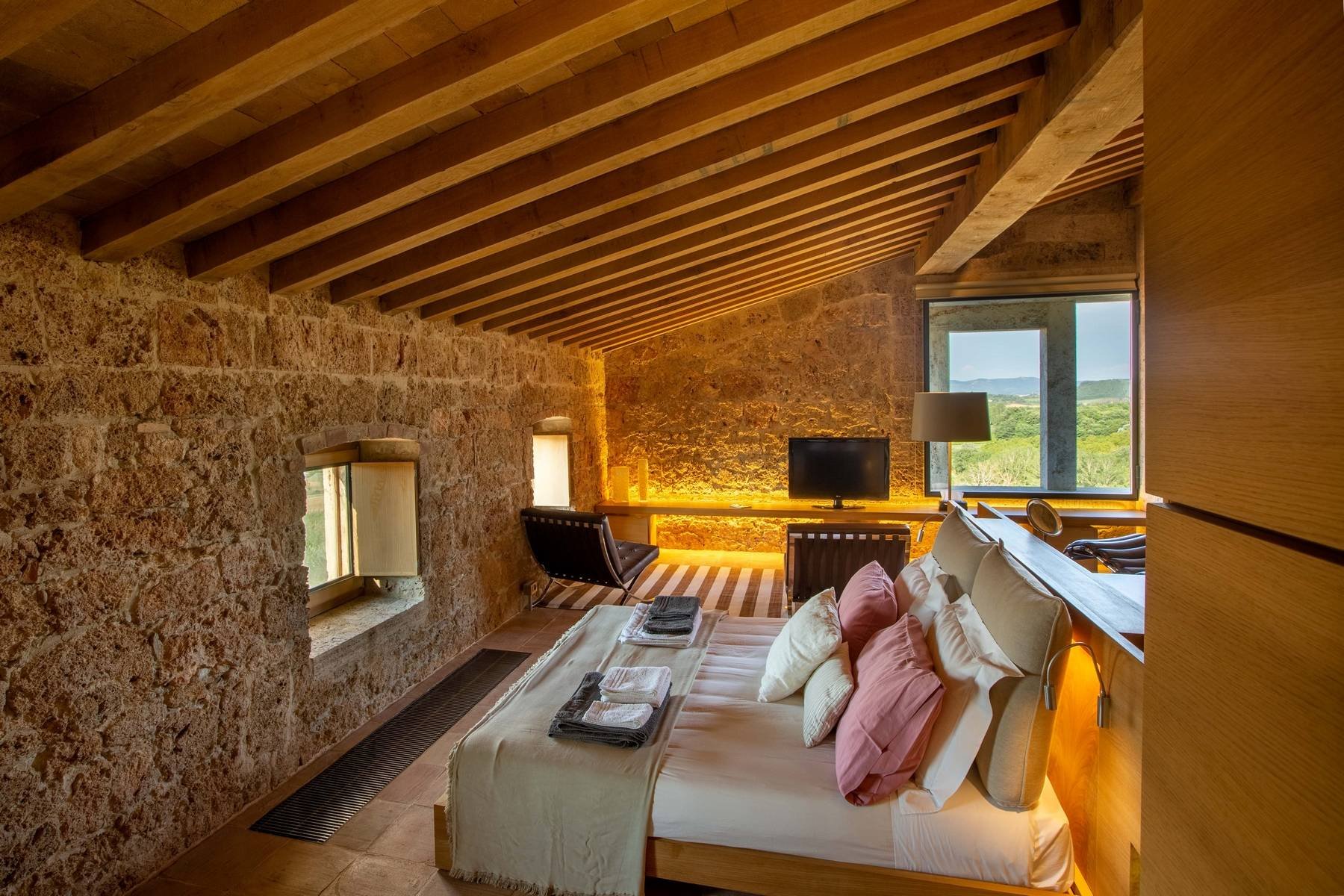
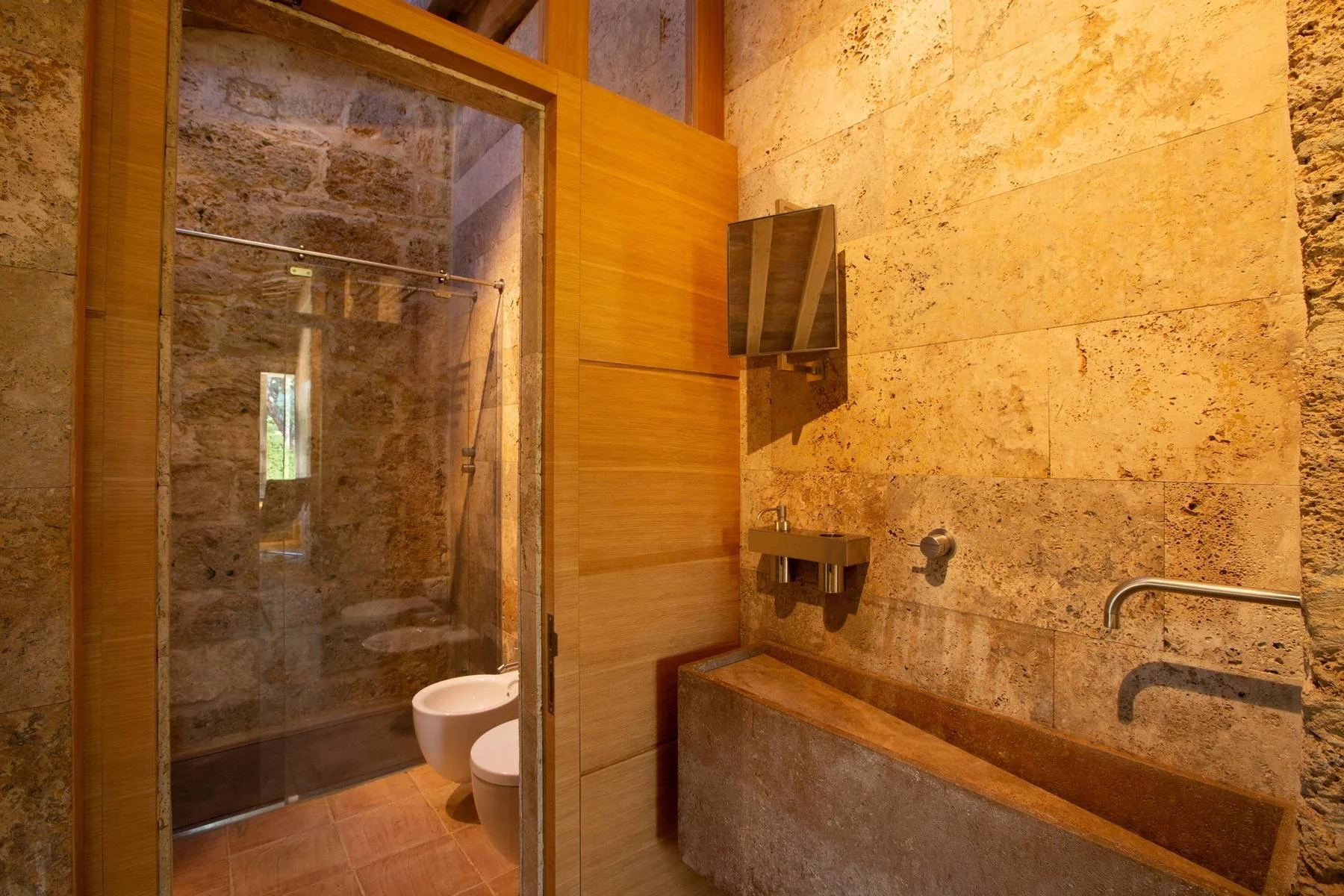
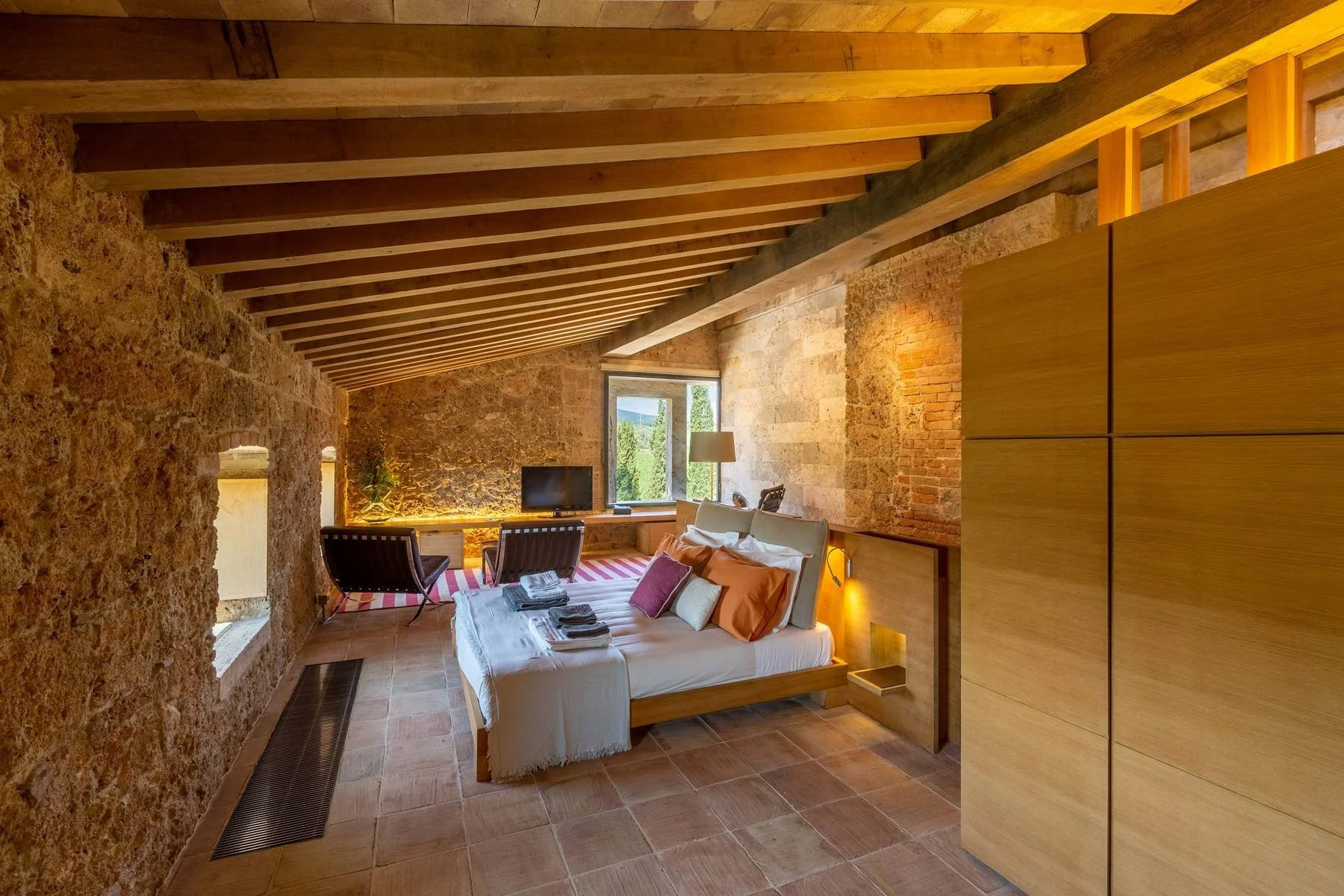
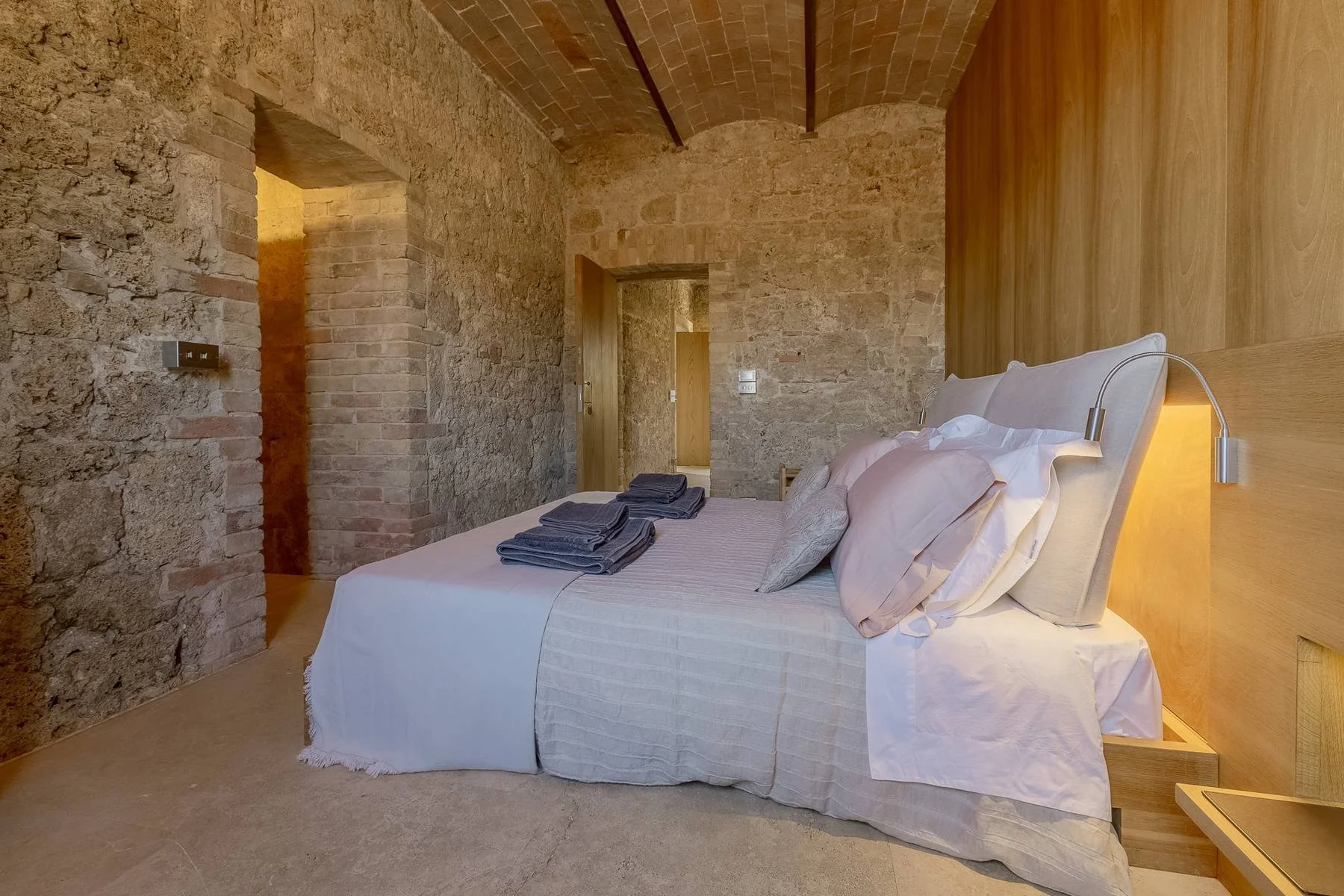
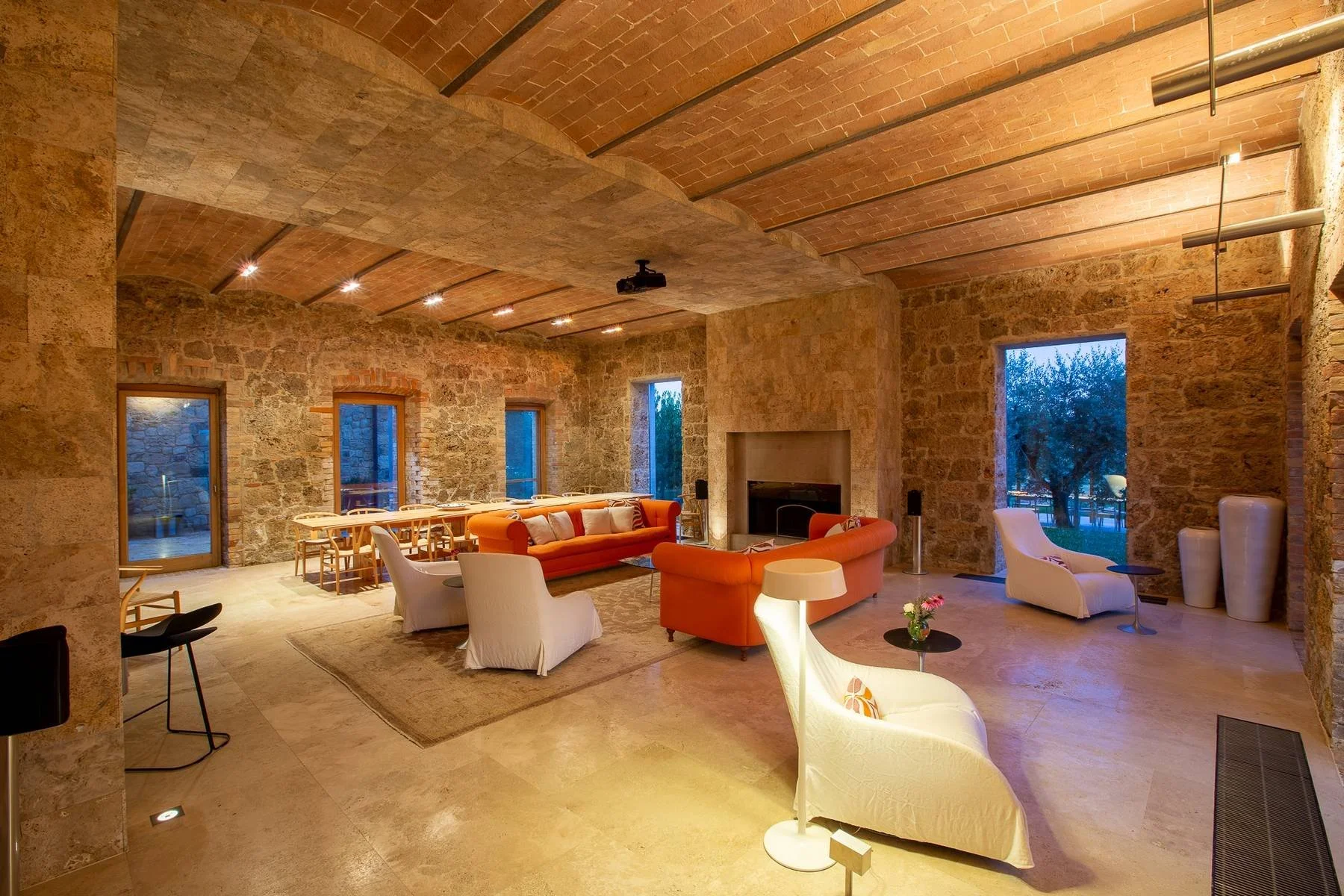
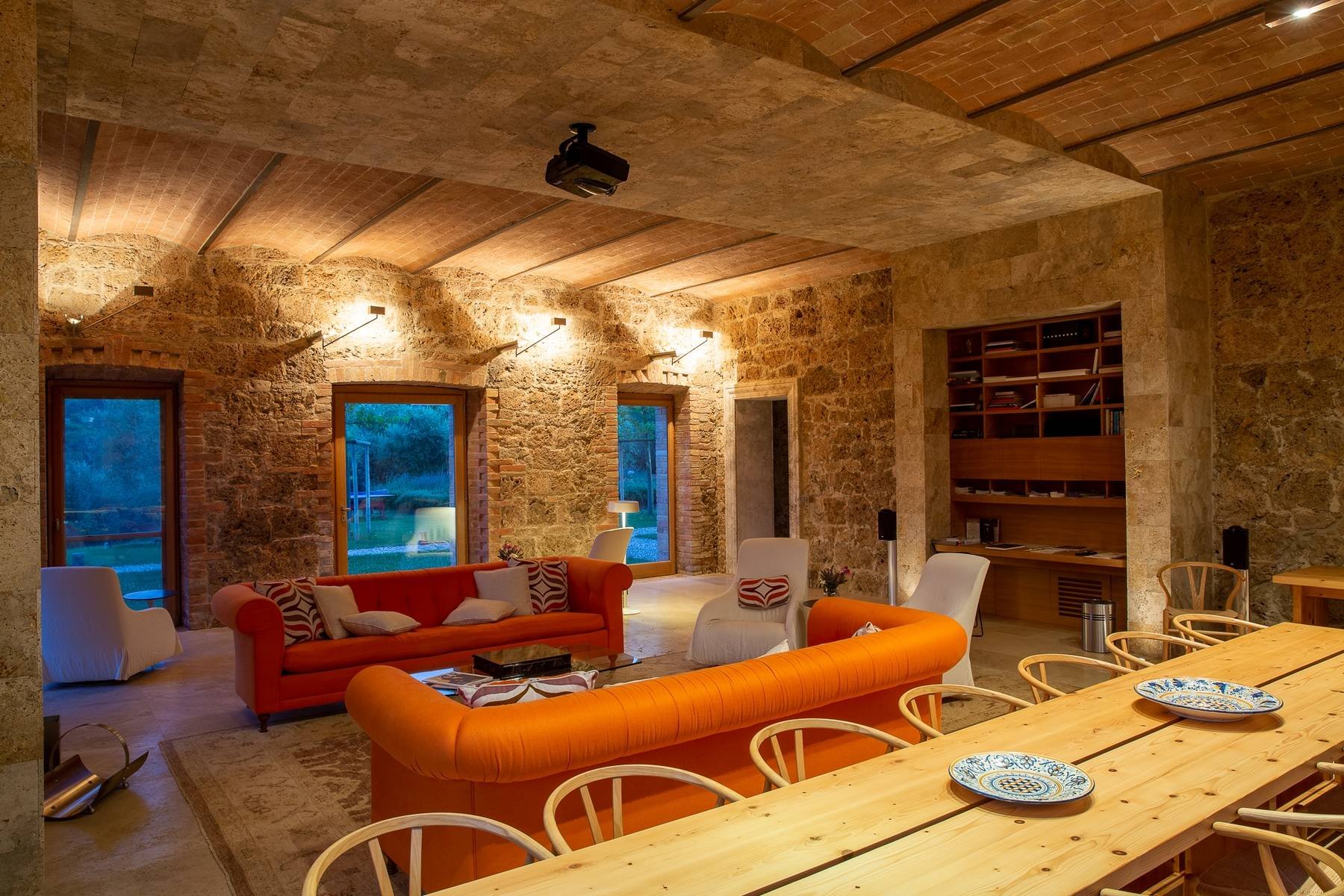
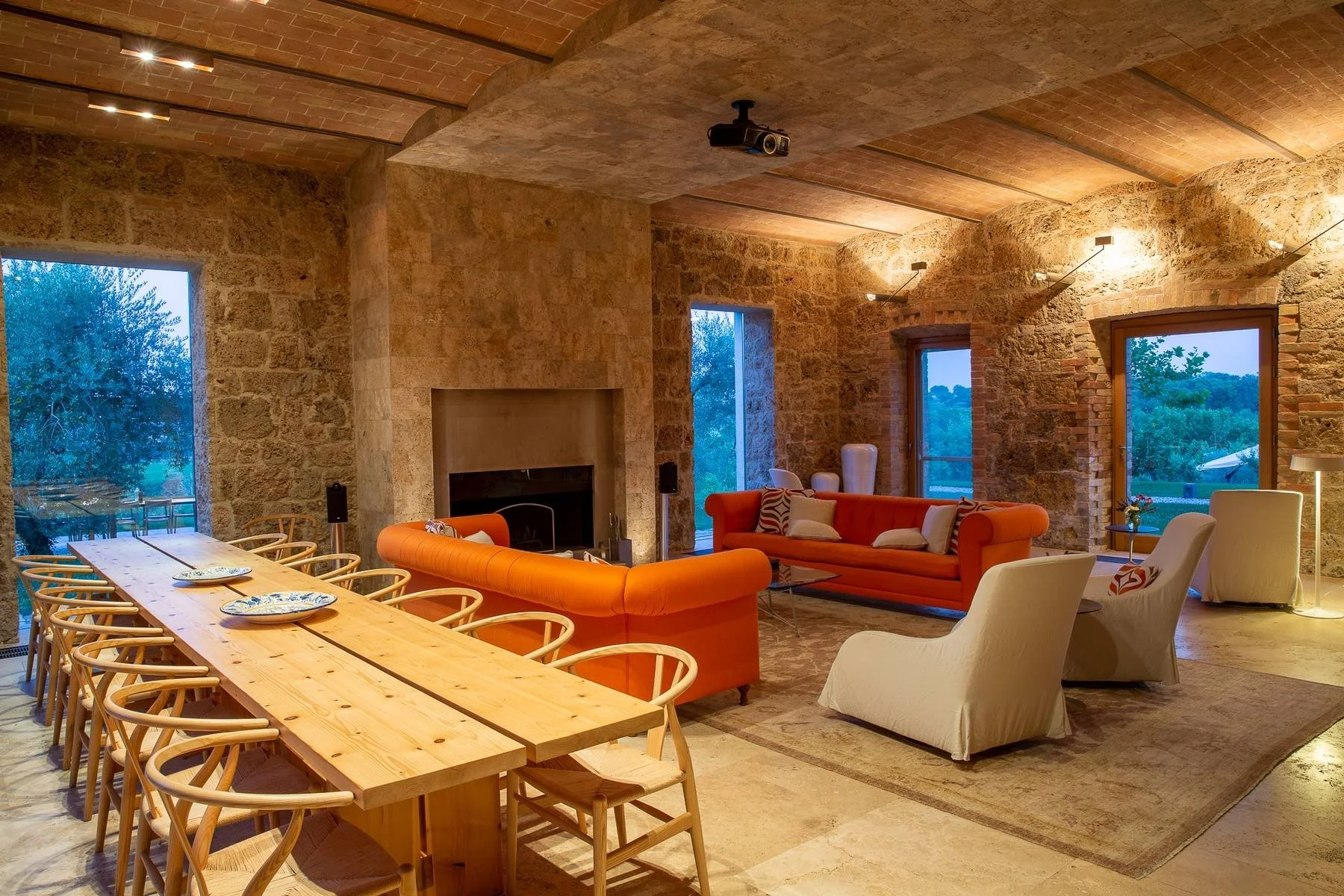
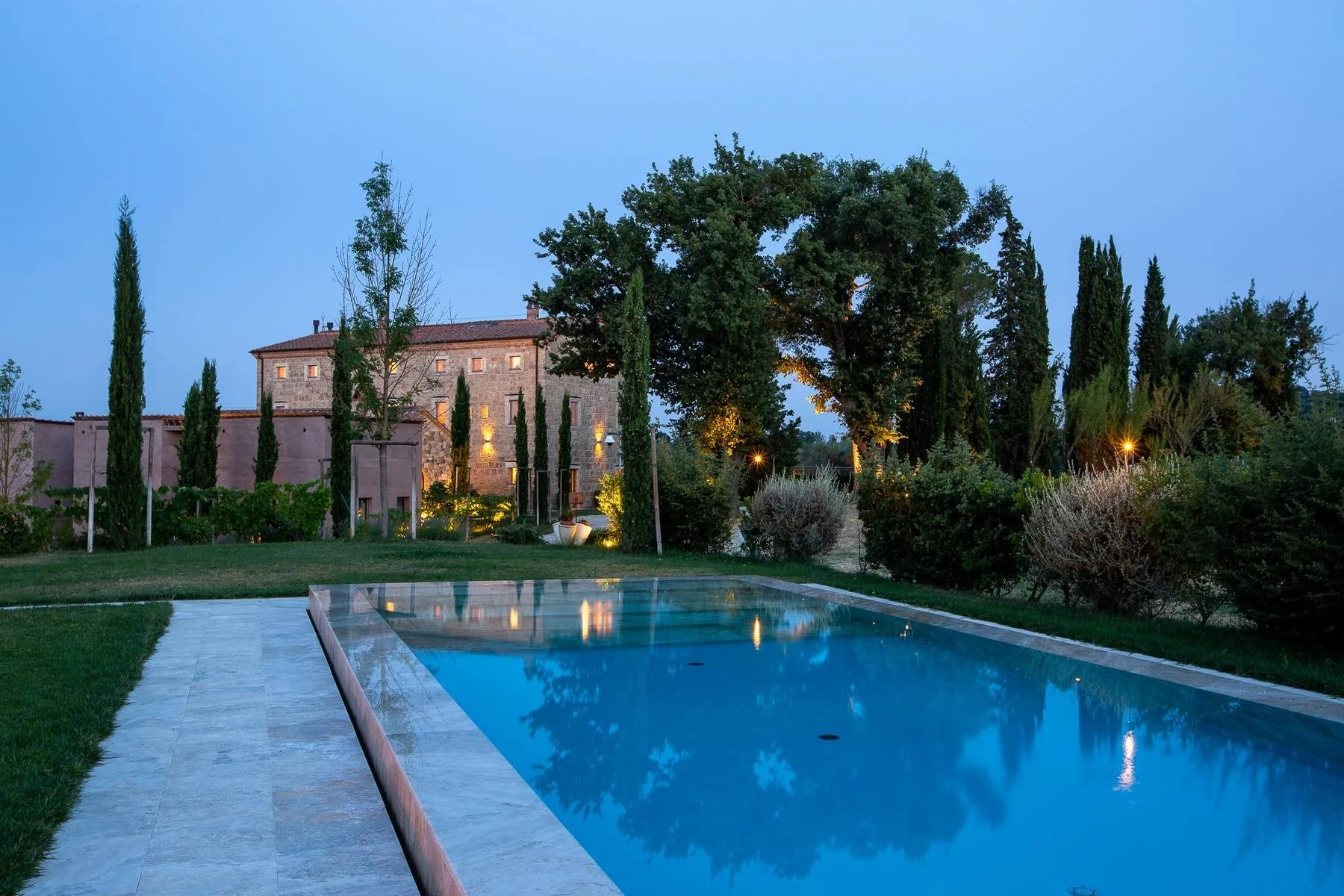
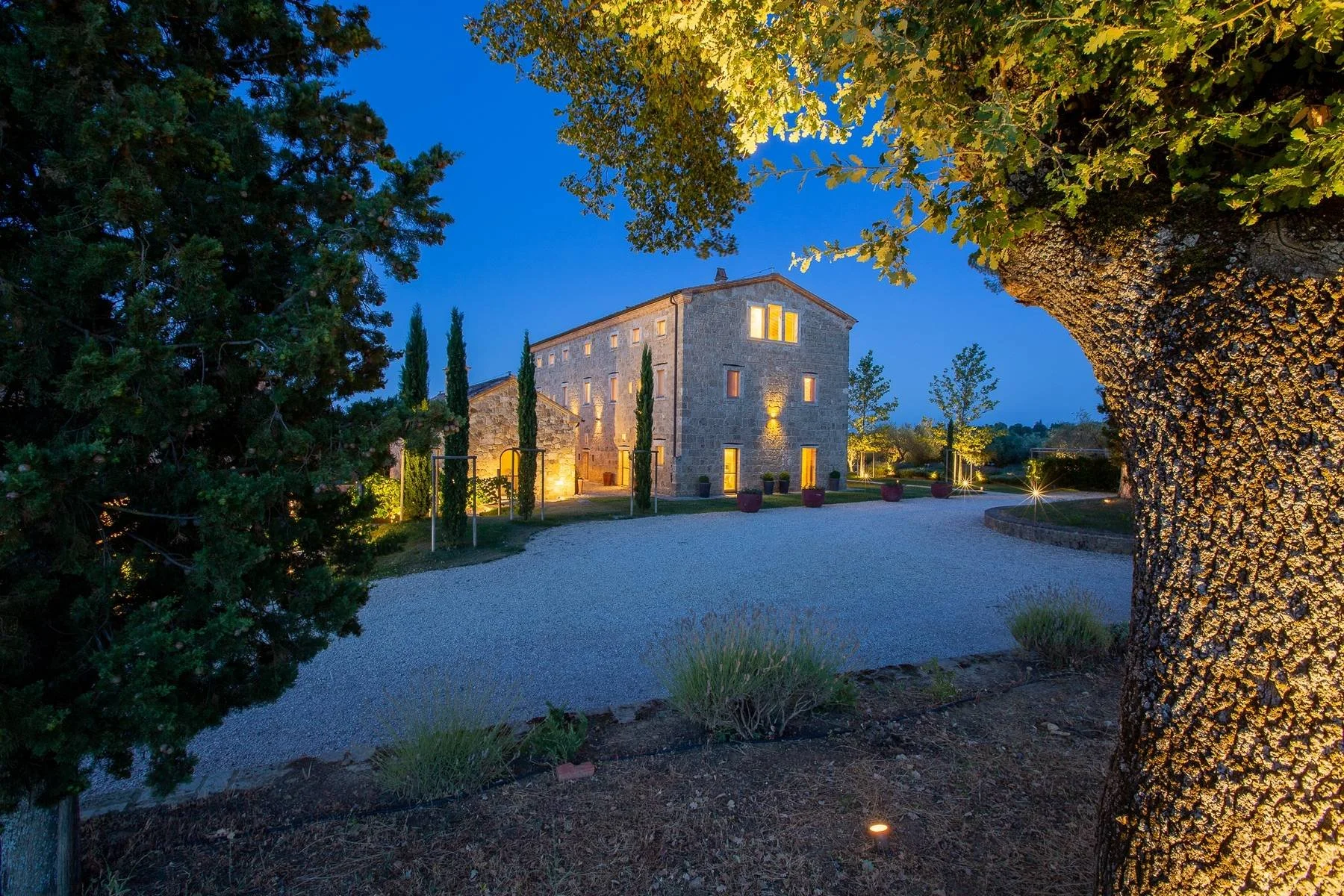
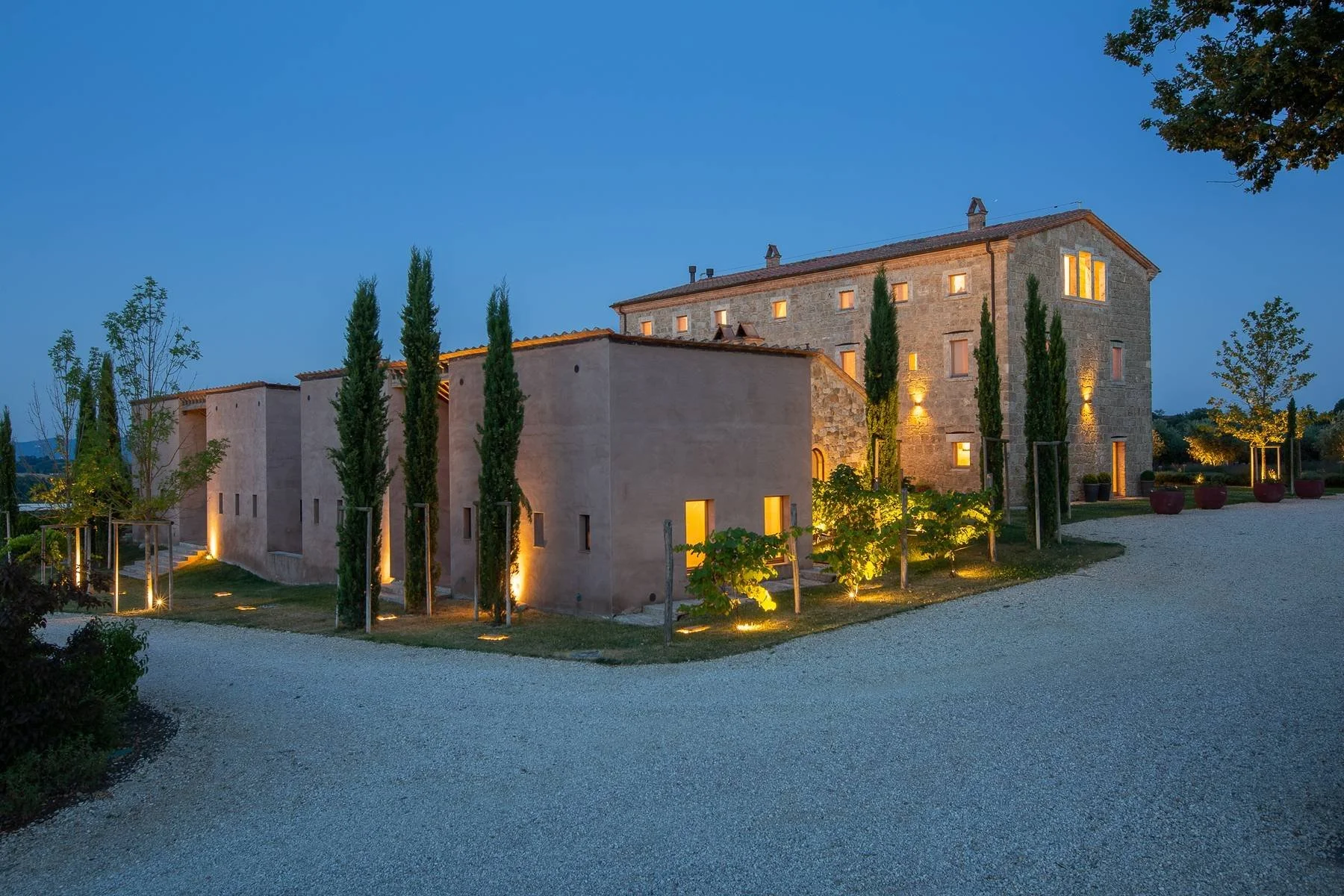
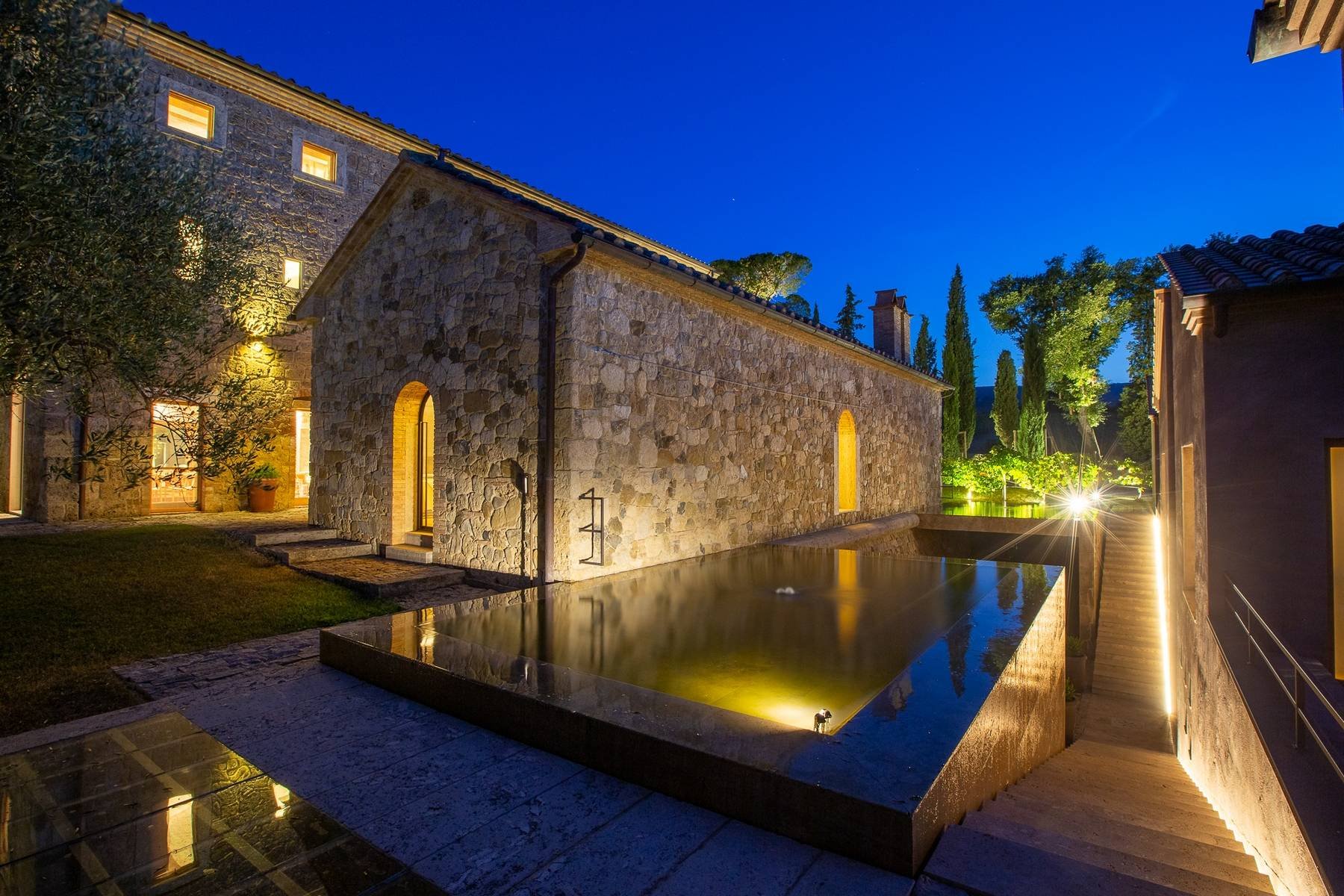
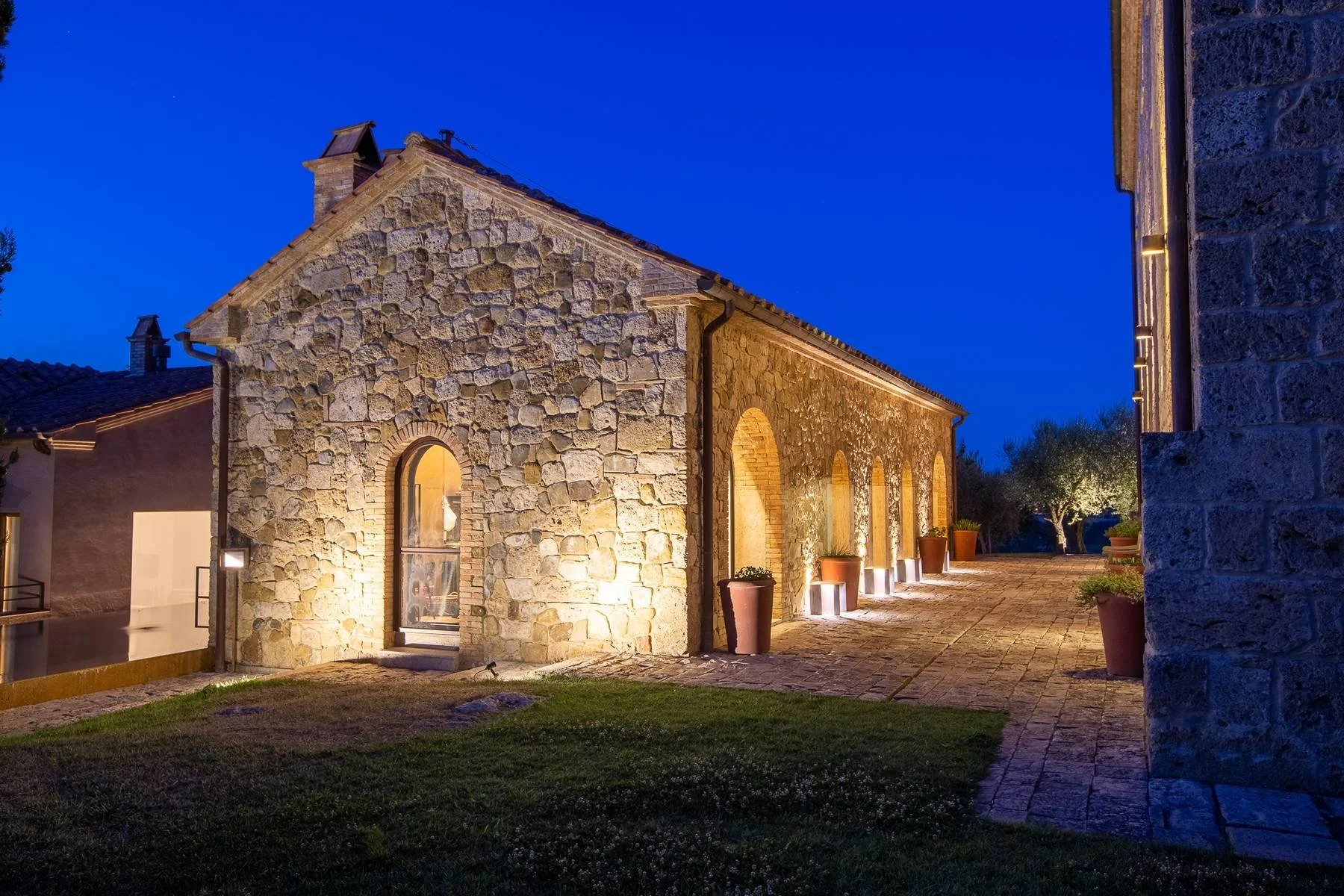
At the heart of the estate is an 18th-century manor house of approximately 800 m² (8,600 ft²). The restoration favours continuity over reinvention, retaining the villa’s original proportions and material language while quietly supporting contemporary living. Interiors combine exposed stone, wood panelling, and a restrained natural palette.
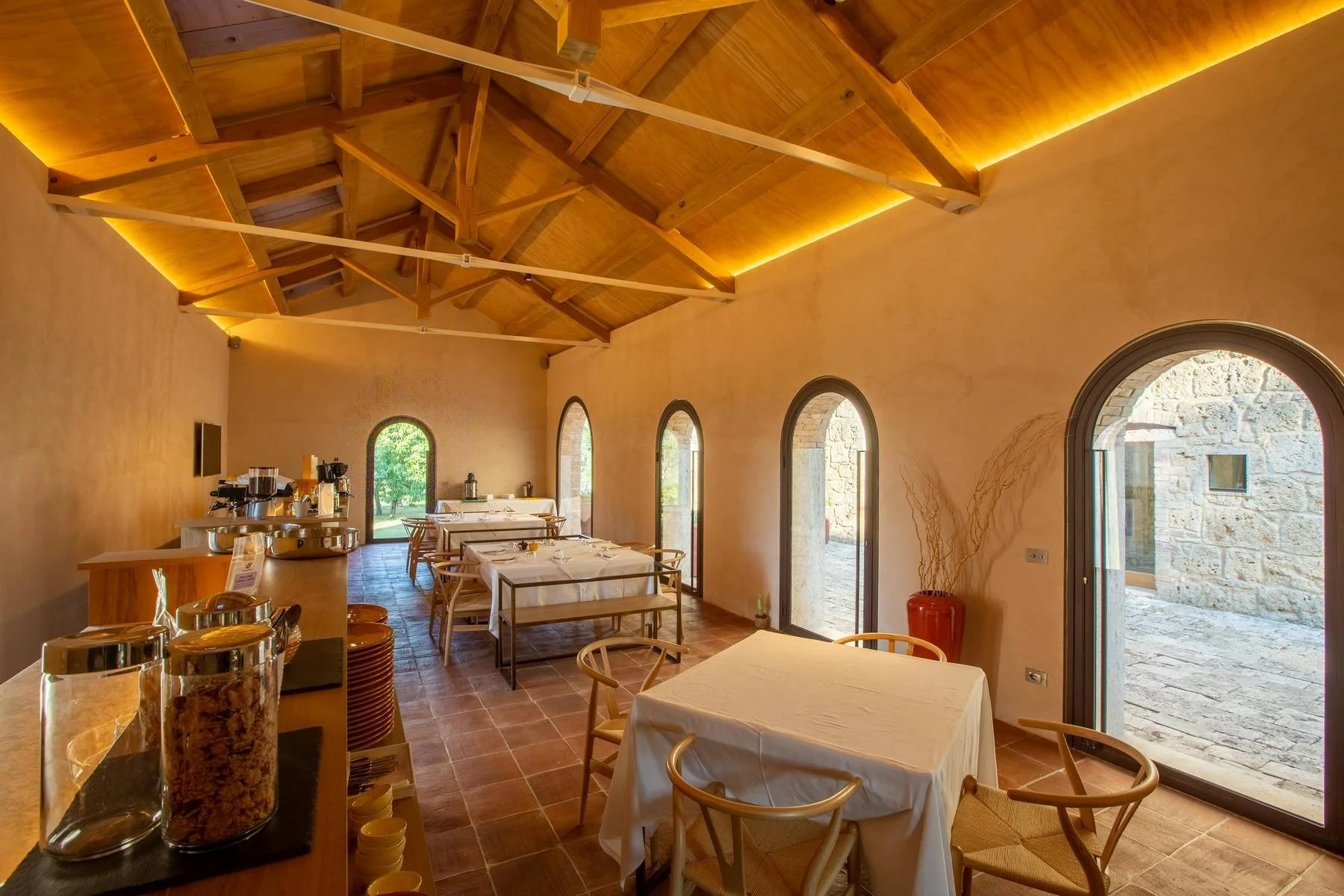
Two independent guest houses extend the estate’s footprint across the landscape, allowing daily life to unfold without compression. The property operates at a standard that has already proven workable as a high-end villa rental, a detail that speaks less to commercial ambition than to the depth of infrastructure required to sustain a property of this scale with ease.
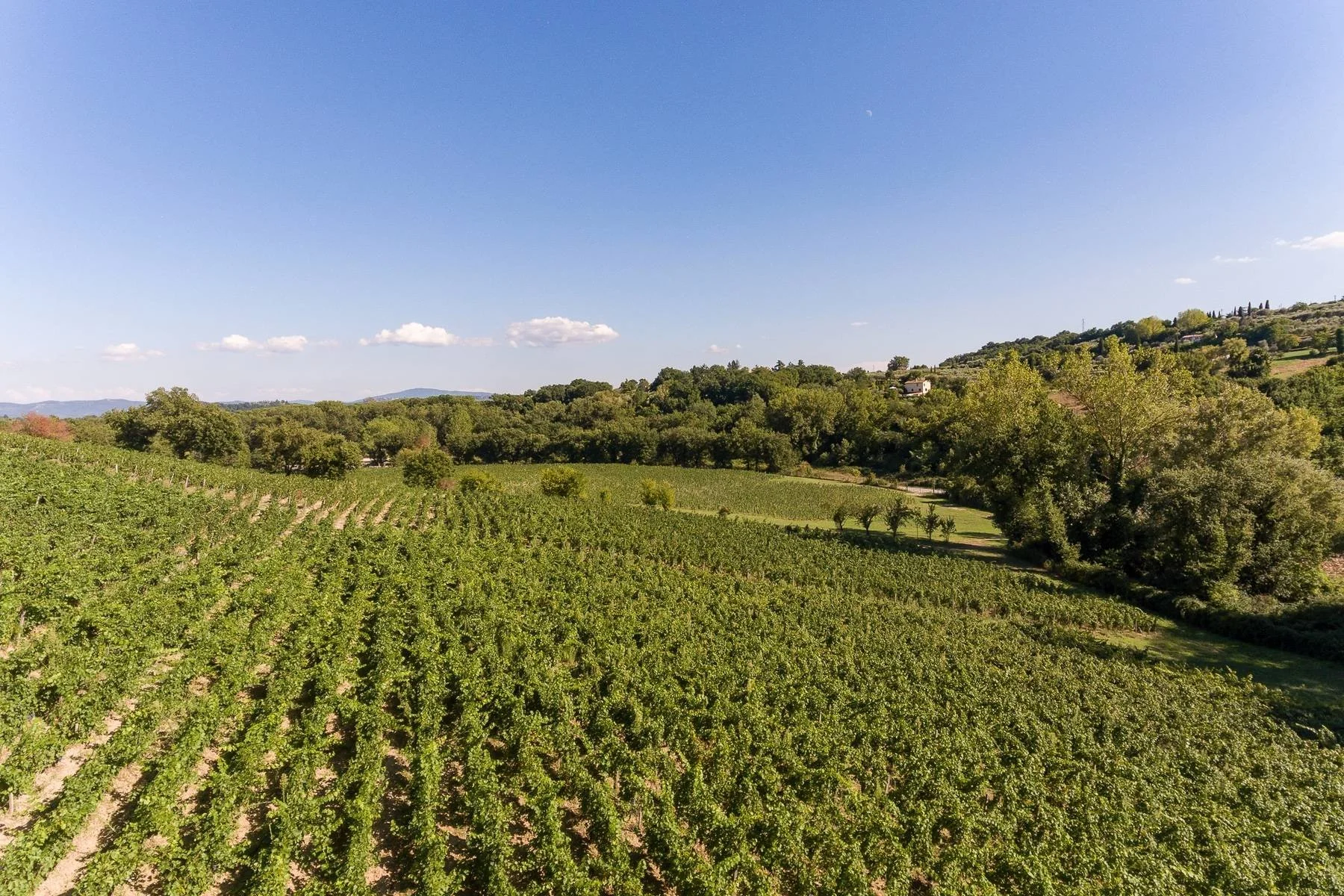
Wine production remains central rather than symbolic. Approximately 6 hectares (15 acres) of vineyards yield around 20,000 bottles annually, with wines that have earned international recognition. The estate operates organically, and the cellar—recently expanded—is equipped to handle the full cycle of vinification, ageing, and storage. Olive groves complete the agricultural picture, producing high-quality extra virgin olive oil alongside the wine.
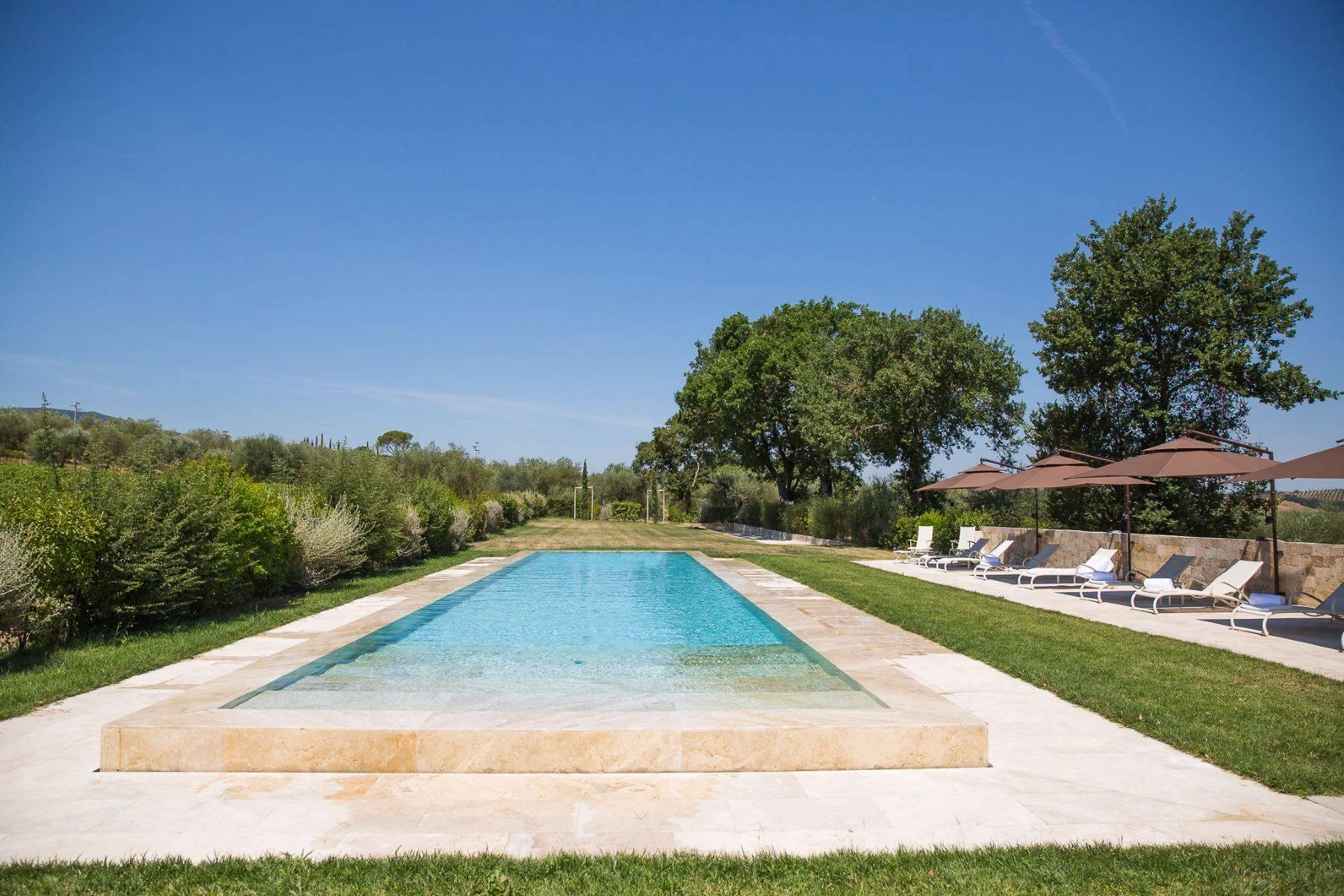
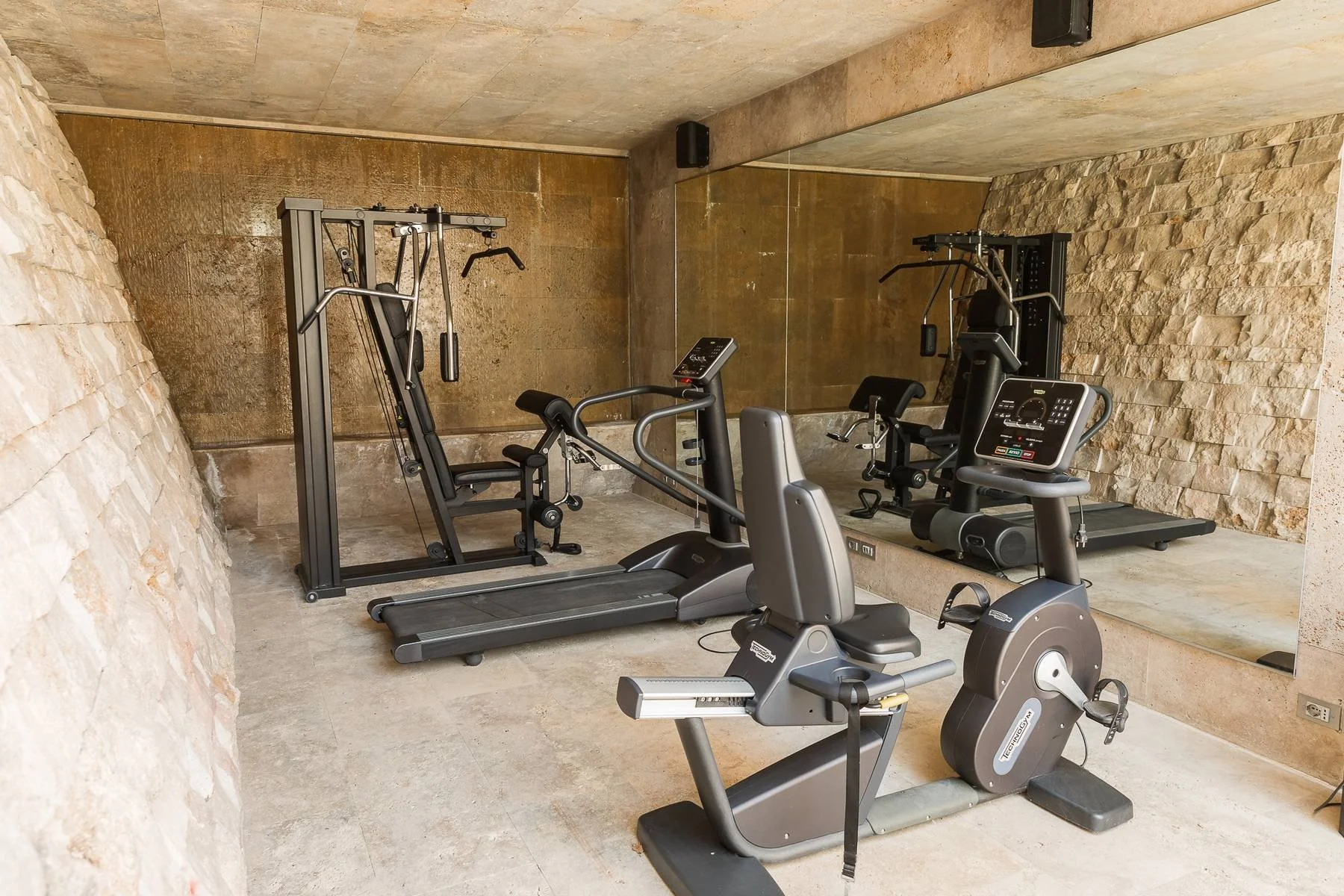
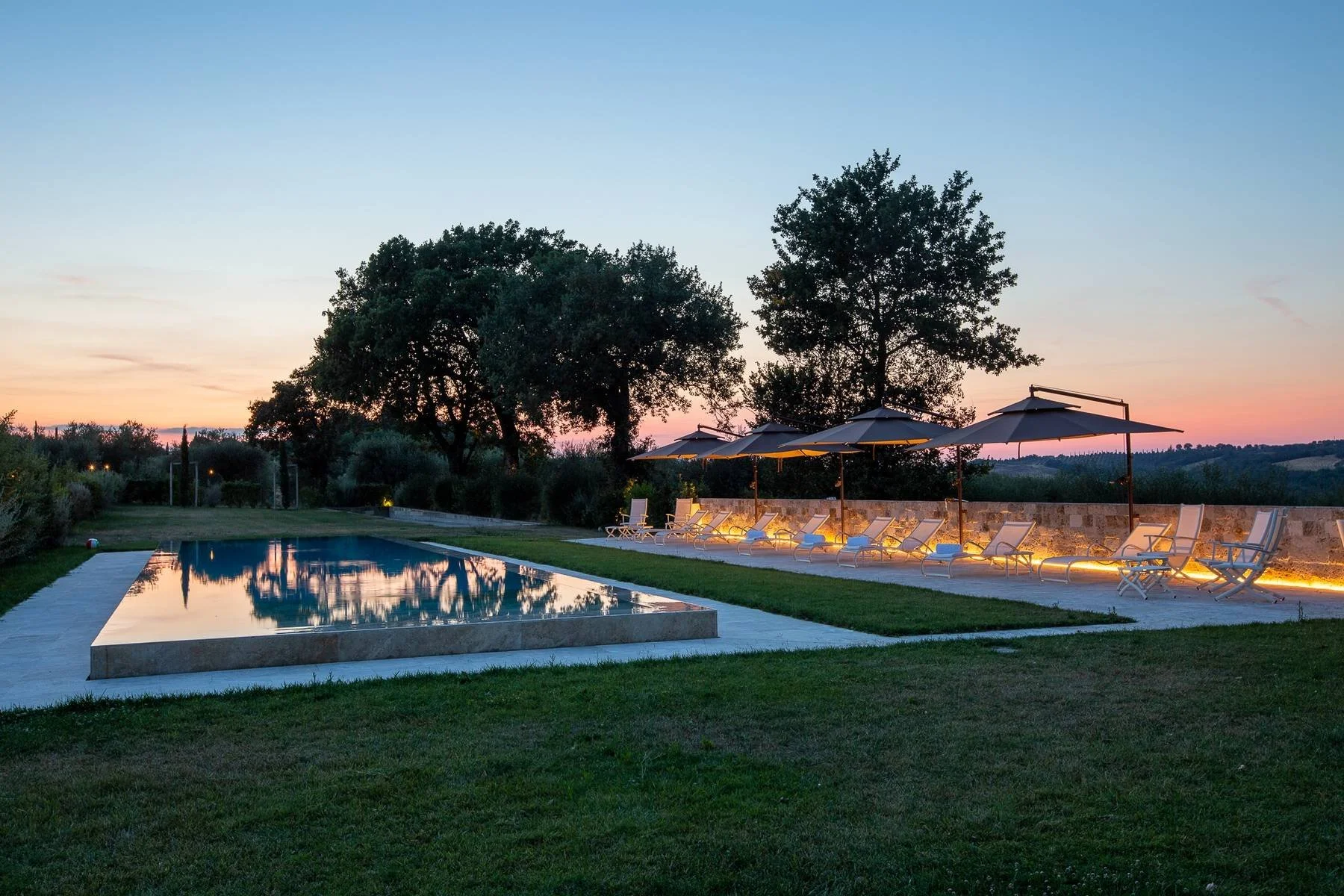
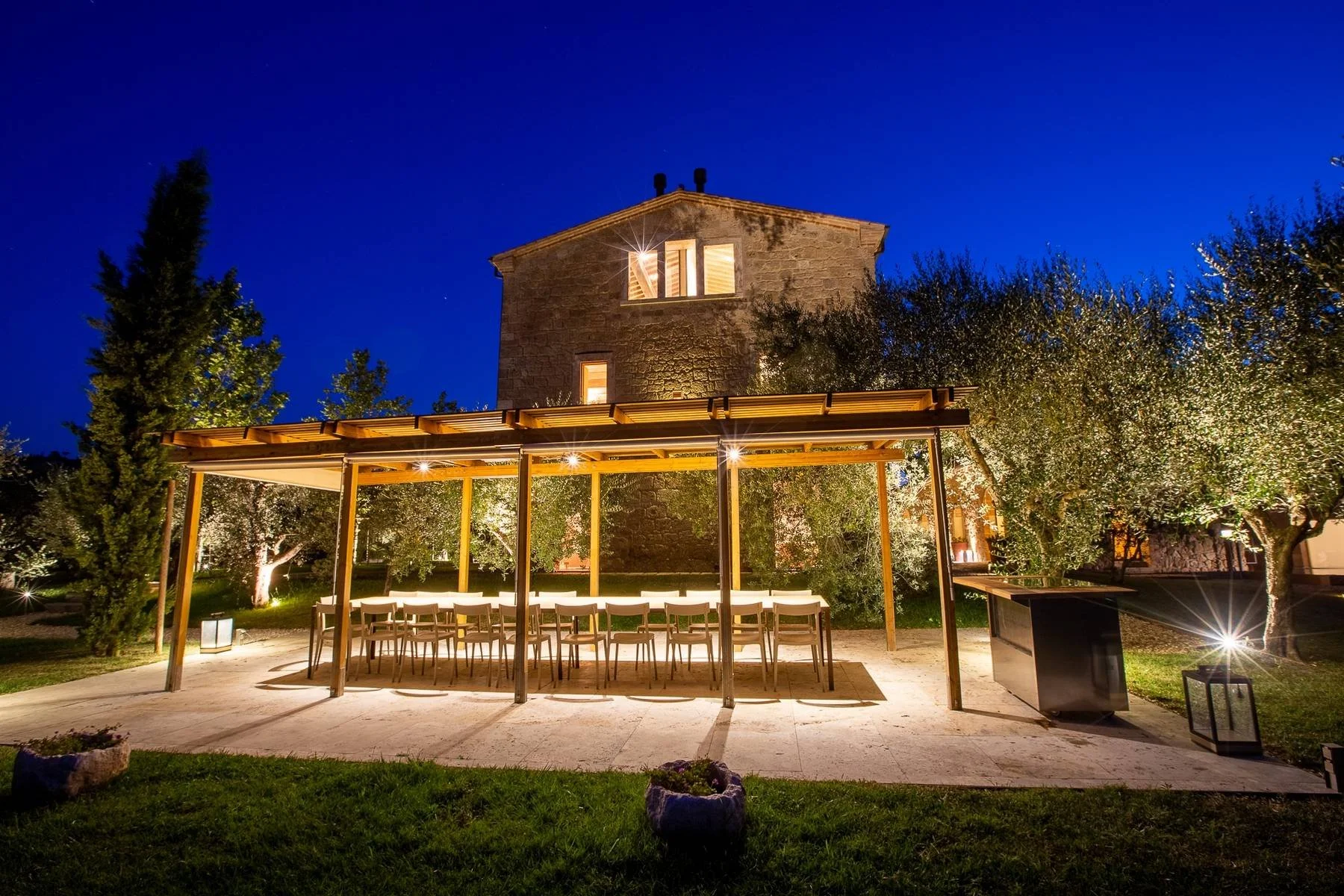
Wellness and leisure spaces are integrated without overt display. A spa, gym, hammam, sauna, and Turkish bath are present, but not foregrounded. Outdoors, a panoramic swimming pool, tennis court, orchards, and landscaped grounds support a way of living that is seasonal, spacious, and rooted in place rather than programmed for spectacle.
The estate’s position near Siena, at the threshold of the Val d’Orcia, is part of its quiet logic. It shares the landscape and cultural gravity of the UNESCO-listed region while remaining outside its formal boundaries—a distinction that allows greater flexibility for agricultural use and estate management. Siena’s historic centre, dining scene, and cultural institutions remain within easy reach.
Properties like this tend to endure because they are built around long-standing structures: land that produces, architecture that carries history without nostalgia, and locations that have held relevance for centuries.Fully operational and immediately livable, the estate reflects a continuity of place that has defined this part of Tuscany for centuries.


All photos belong to the listing agency.