
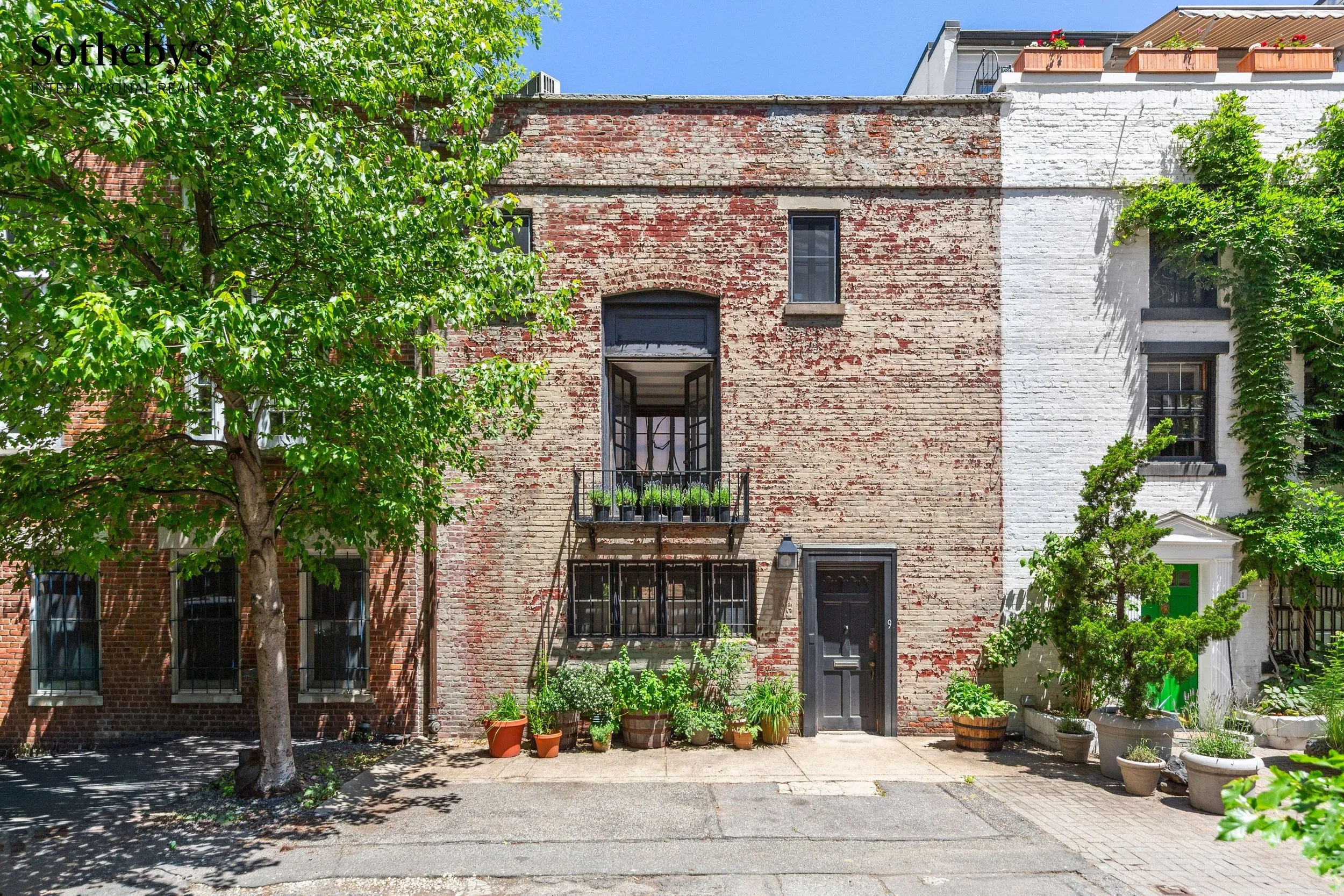
The Greenwich Village studio belonged to Alfonso Ossorio, an artist, collector and early patron of Pollock, who hosted the painter and his wife, Lee Krasner, in early 1951. During their stay, Pollock is believed to have produced a series of drawings, one of which later sold at Christie’s for $4.5 million.
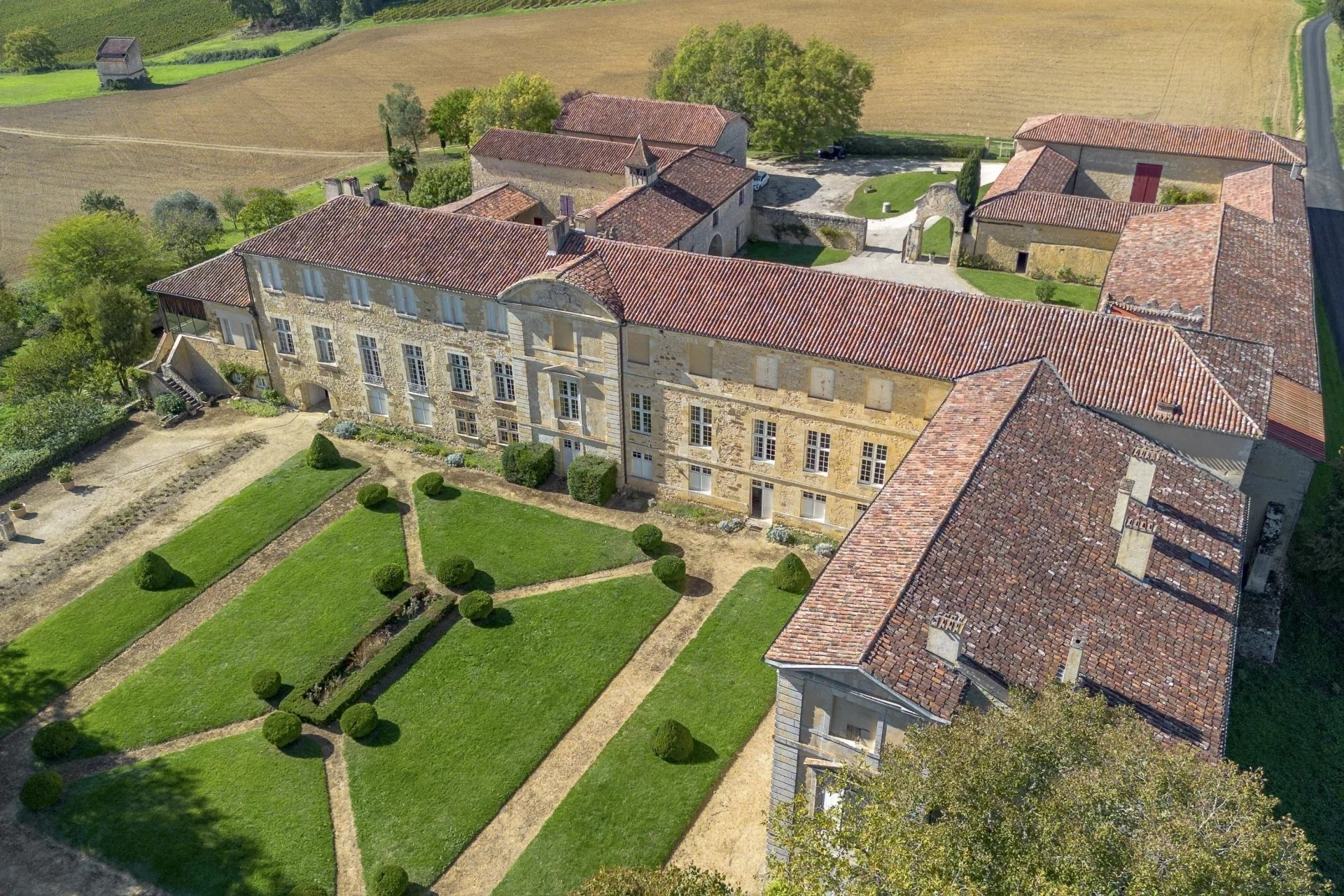
From a 17th-century distillery in the French countryside to the royal court of Louis XV, the story of Château du Busca-Maniban traces the rise of Armagnac beyond Gascony. Now, after more than 220 years of family ownership, the historic estate is for sale.
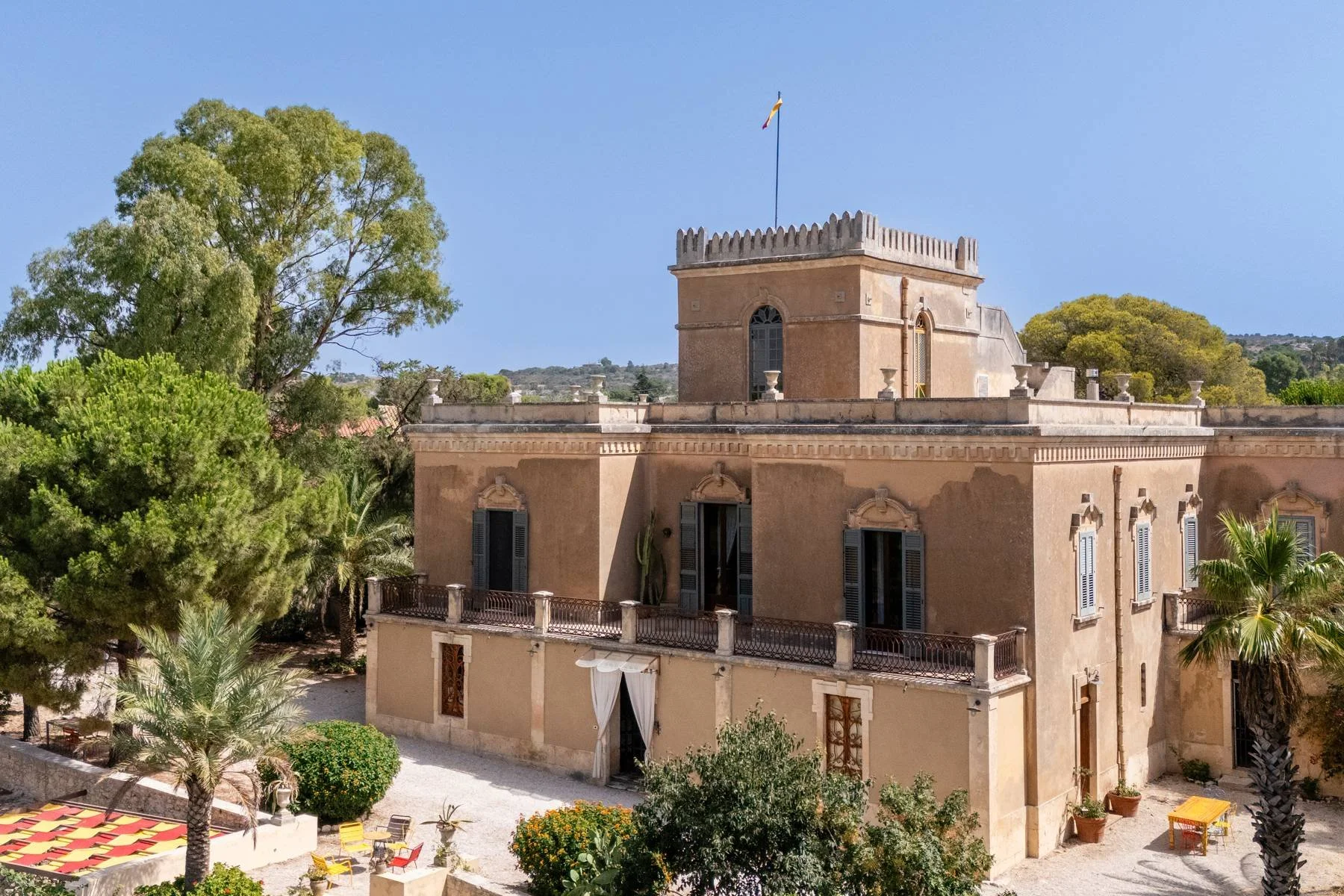
Set in the Val di Noto, a region celebrated for its UNESCO-listed Baroque towns, the property was commissioned as a summer residence by two noble families in the late 1800s. It features grand reception rooms, shaded loggias, a panoramic tower and former stables converted into guest accommodation.
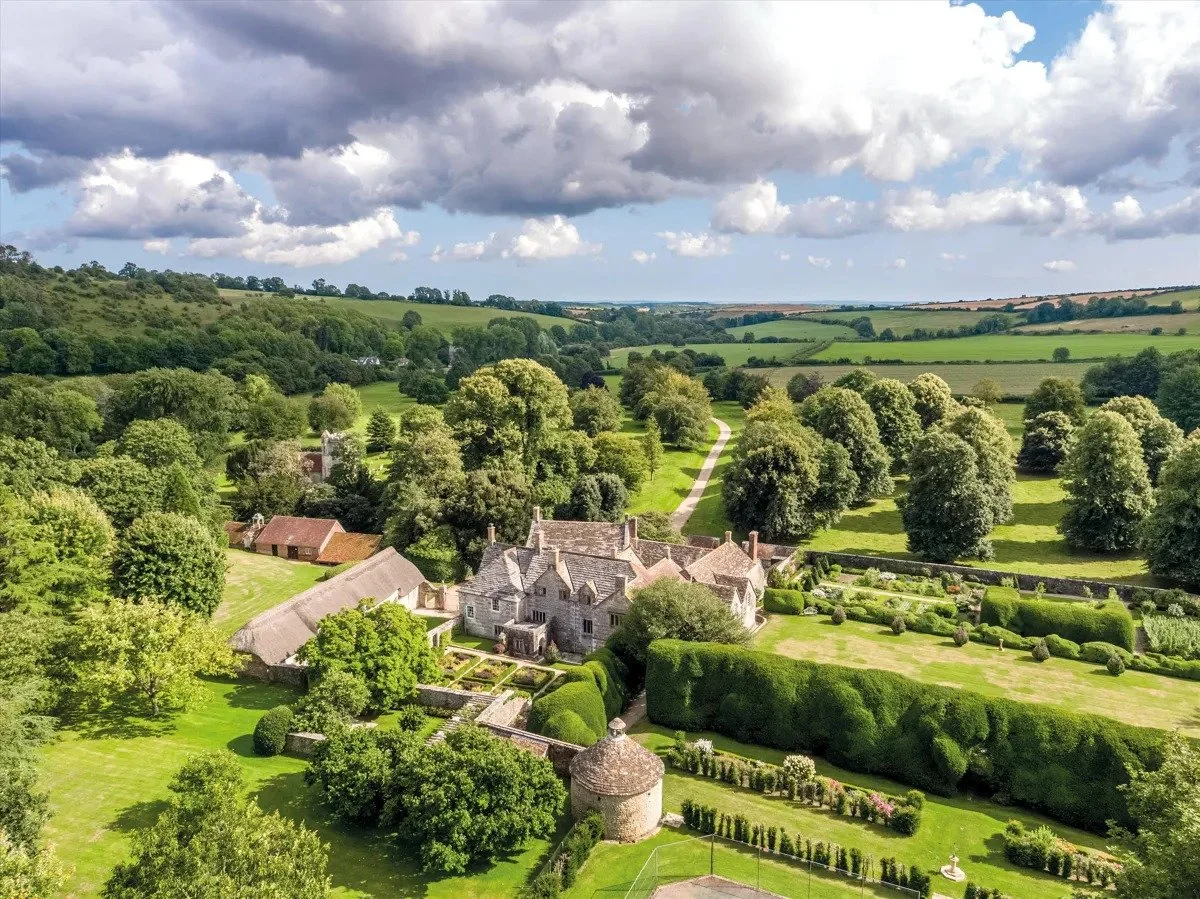
Listed for £8.75 million, Bingham’s Melcombe is a Grade I-listed manor estate in Dorset, England, dating back to the 13th century. Set across approximately 370 acres, the property includes a nine-bedroom manor house, additional residences, and historic gardens restored by Sir Geoffrey Jellicoe.
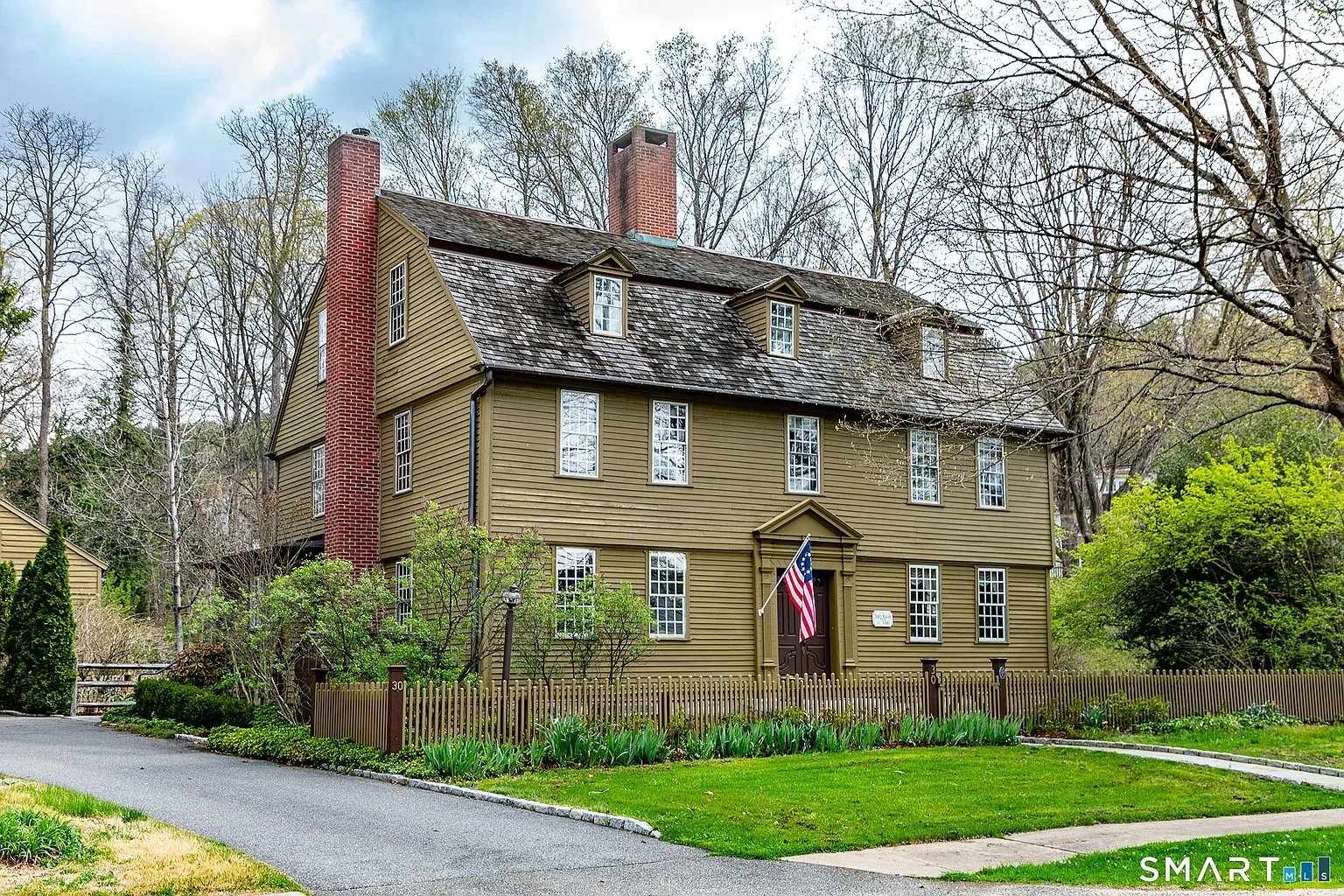
Built around 1760 for Jabez Bacon, a wealthy colonial merchant regarded as Connecticut's first millionaire, this Georgian residence in Woodbury retains elaborate original wood panelling, 18th-century Delft fireplace tiles and historic outbuildings.
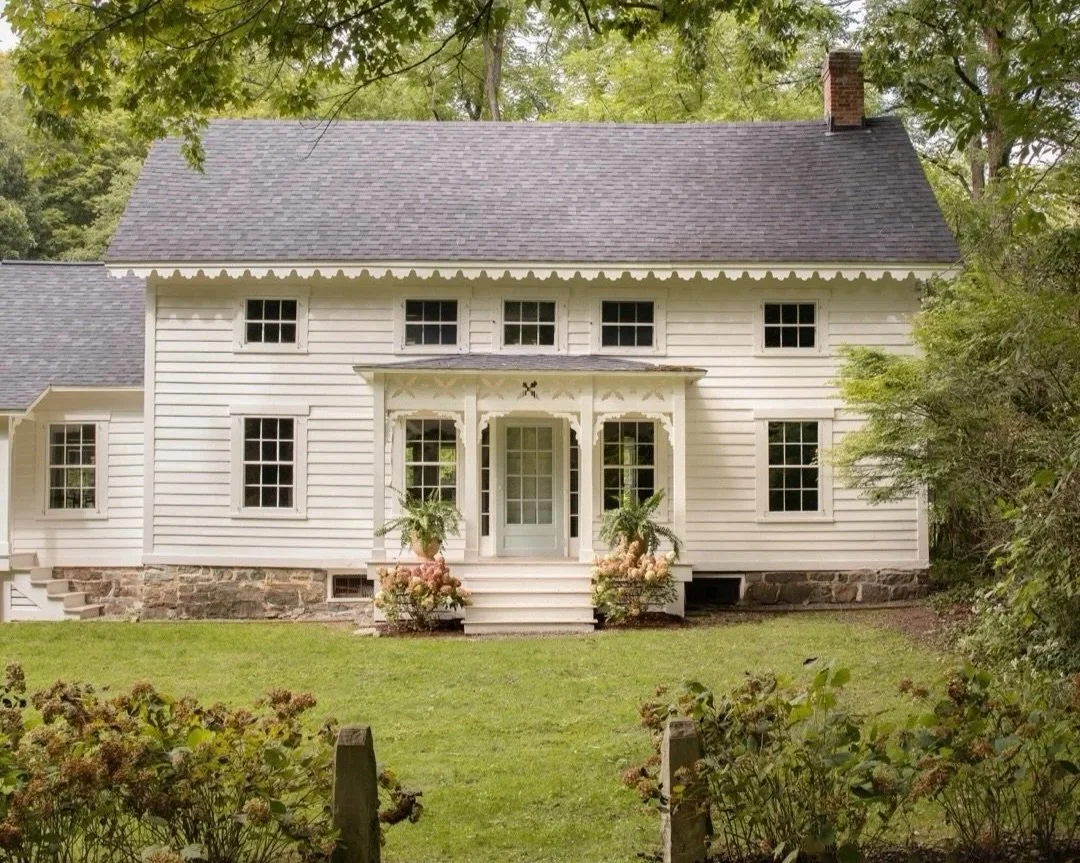
Interiors by Jersey Ice Cream Co. bring textured plaster and reclaimed wood to this Hudson Valley farmhouse, alongside centuries-old beams, 2-foot-wide floorboards and restored Shaker cabinetry.
From a 17th-century distillery in the French countryside to the royal court of Louis XV, the story of Château du Busca-Maniban traces the rise of Armagnac beyond Gascony. Now, after more than 220 years of family ownership, the historic estate is for sale.
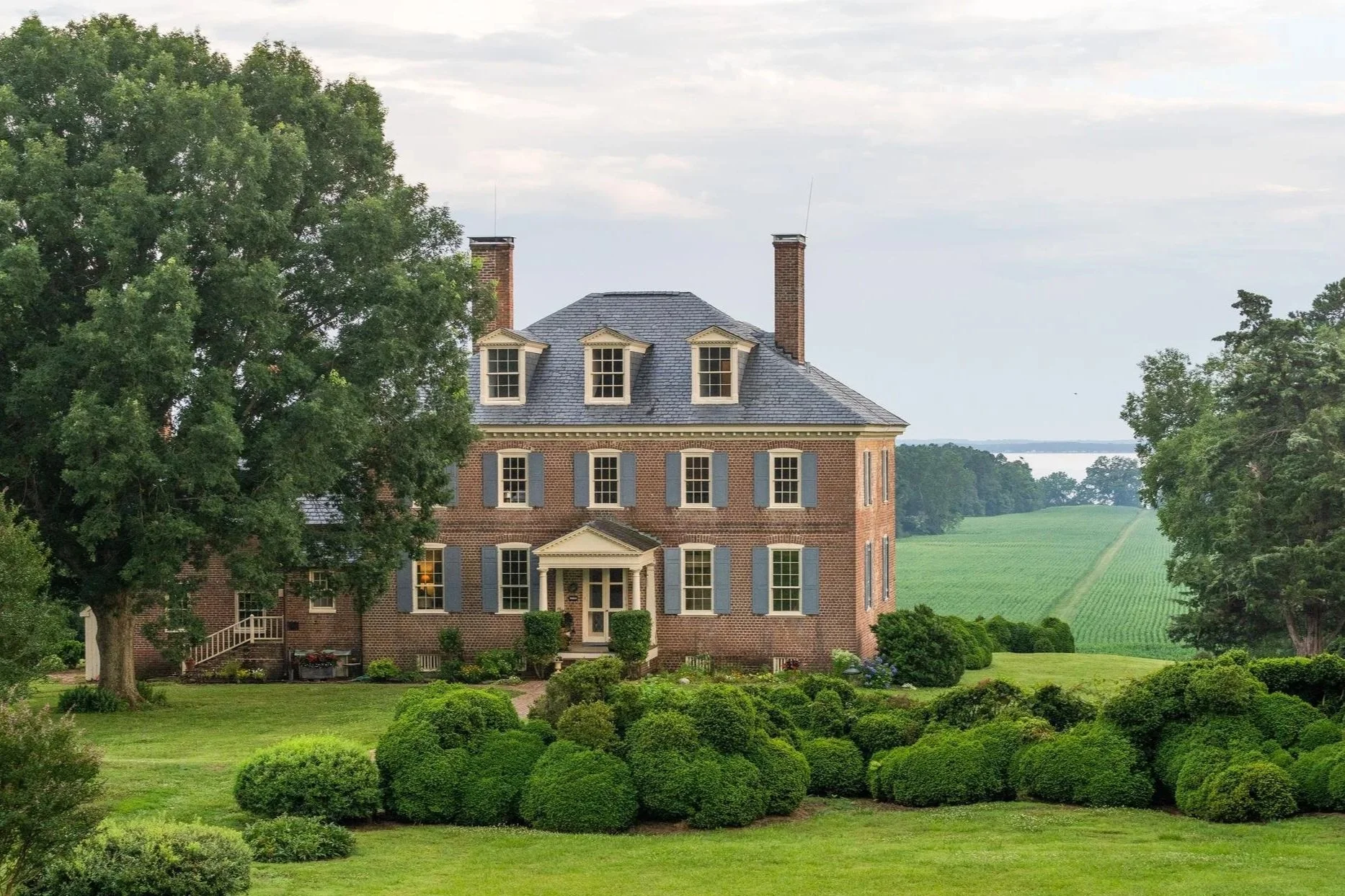
Built around 1755, Mulberry Fields retains its Georgian house, original paneled interiors, historic dependencies and mile-long designed landscape overlooking the Potomac River. Set across nearly 500 acres, the Maryland estate is now asking half the $30 million price it first sought in 2023.
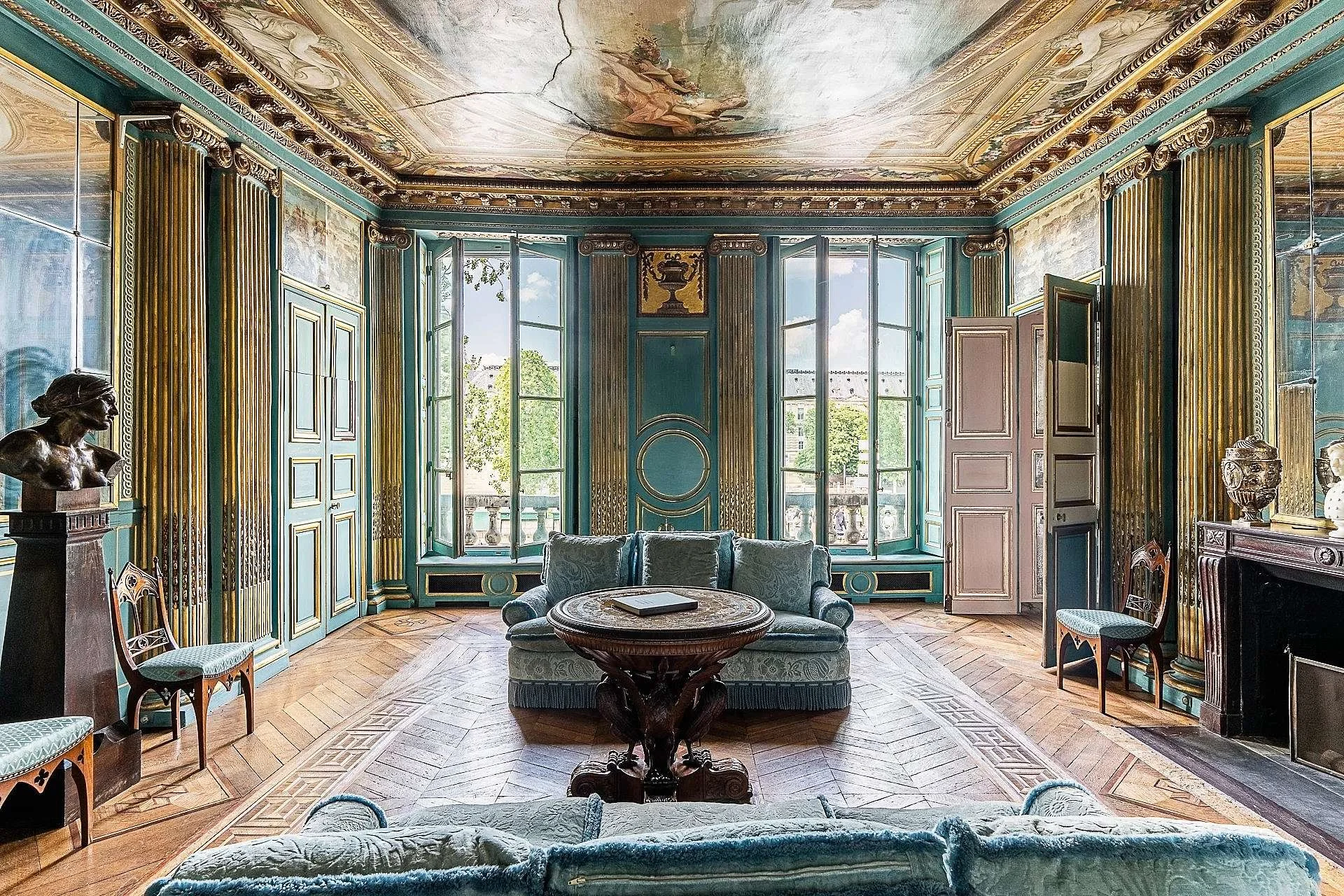
Inside Voltaire’s former Paris apartment on Quai Voltaire, where the Enlightenment philosopher spent the final months of his life, received Benjamin Franklin and died in 1778.
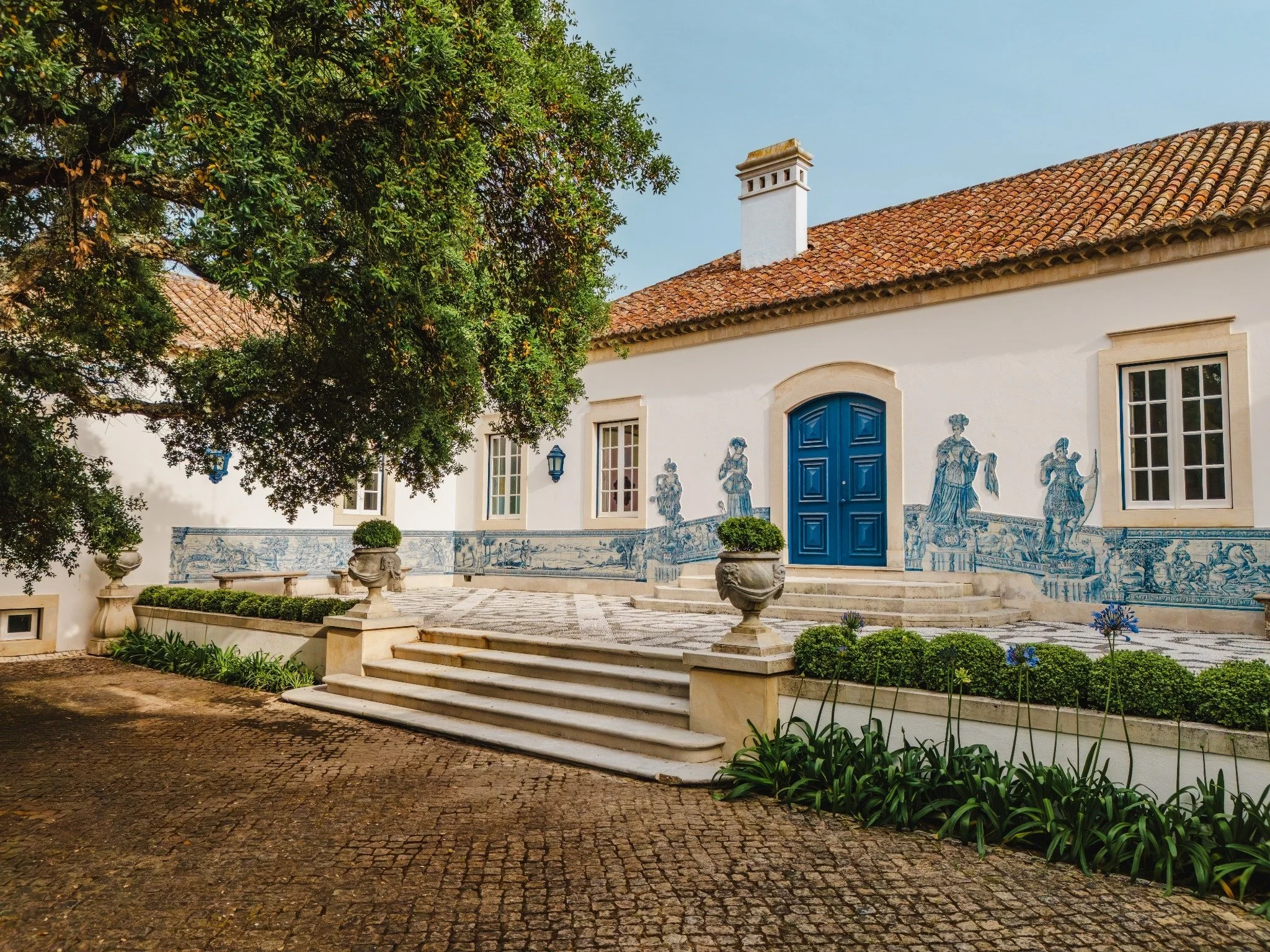
After decades at the centre of one of Europe’s most glamorous social worlds, Beatriz Patiño commissioned a private residence of her own beside the famous Patiño Palace in Cascais, near Lisbon.
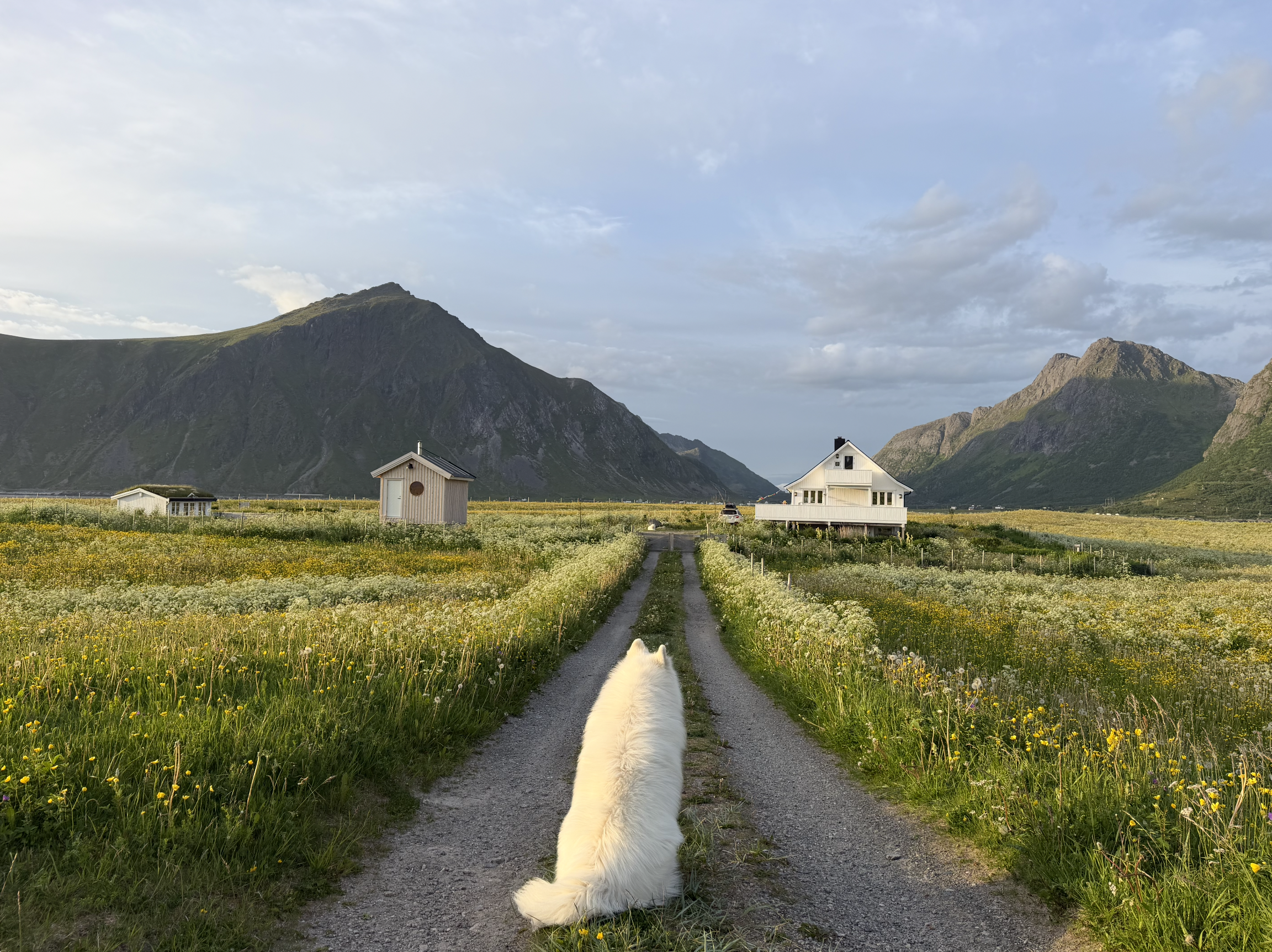
Just above the Arctic Circle, on Norway’s Lofoten Islands, this white 1950 farmhouse sits between wildflower meadows, steep mountains, fjords and white-sand beaches.
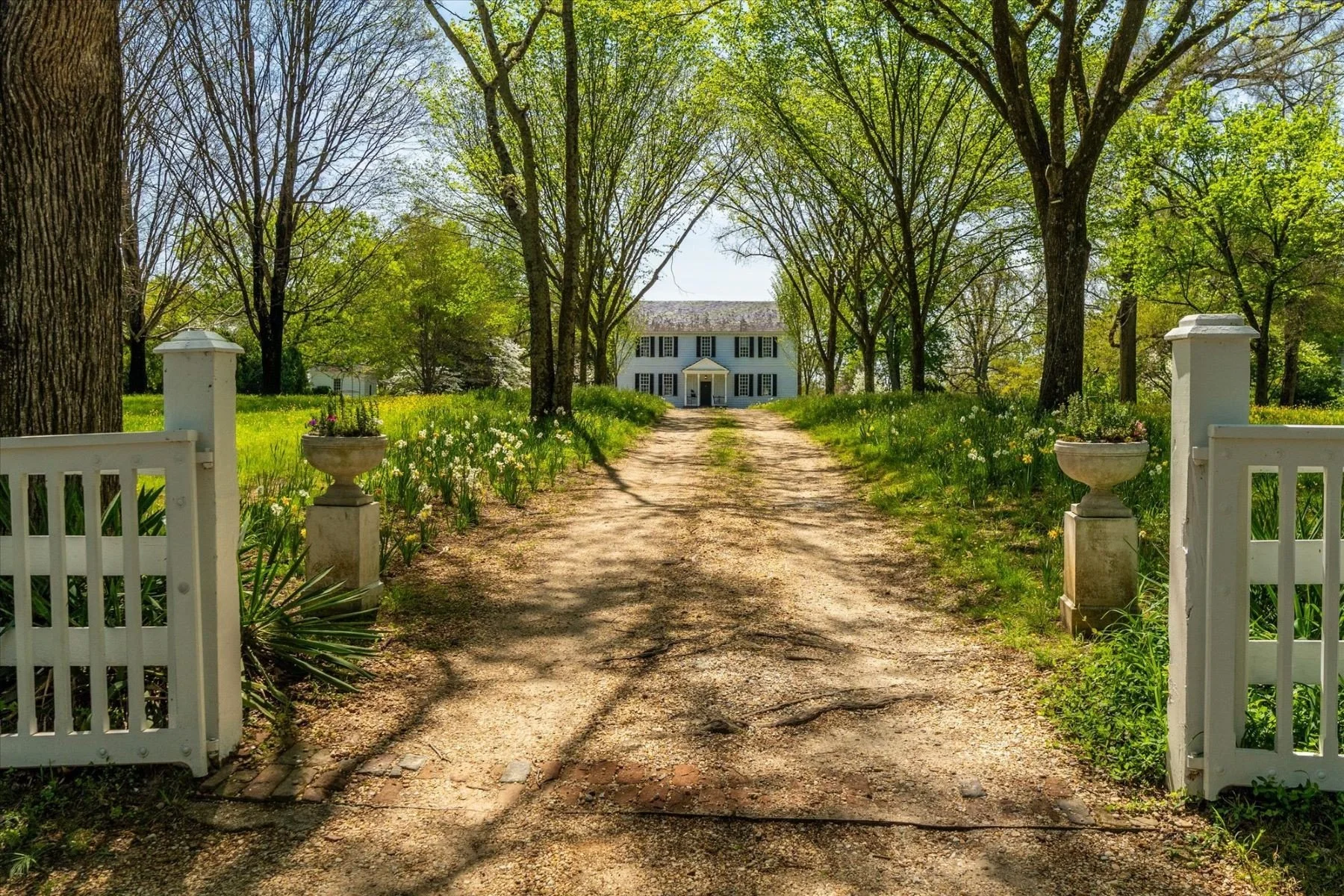
Built for Virginia’s Randolph family in the 1730s, the former plantation known as Tuckahoe was home to Thomas Jefferson for seven years of his childhood and still contains the schoolhouse where he received some of his earliest education.
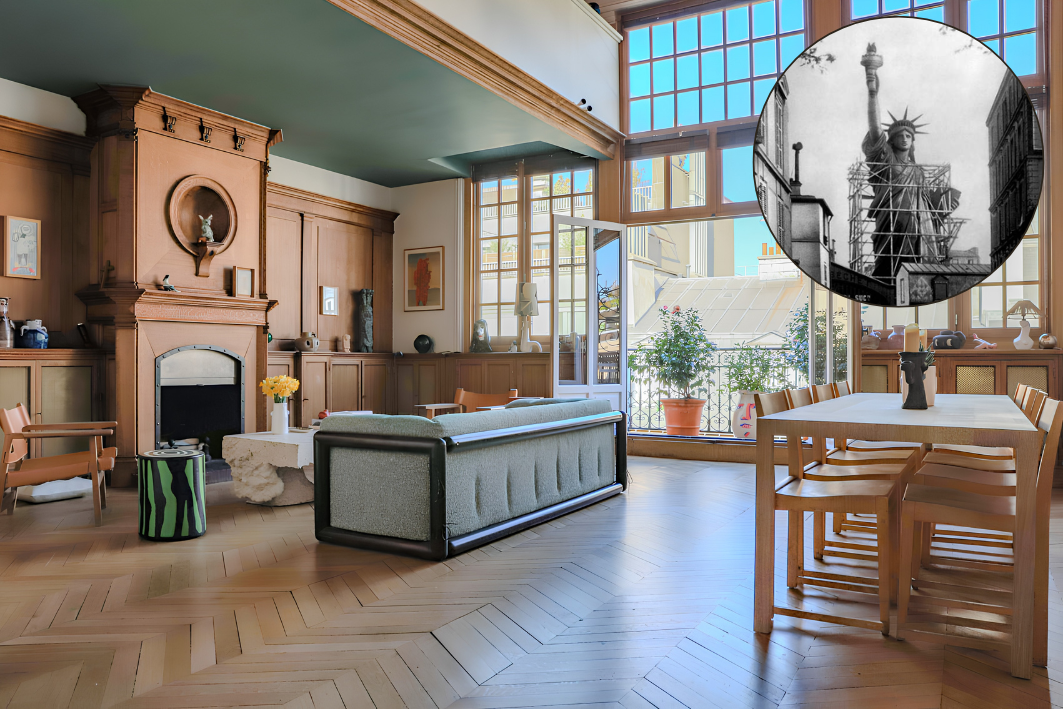
Before the Statue of Liberty stood over New York Harbor, she rose above the rooftops of Paris. A former artist’s atelier is for sale on the street where the Statue of Liberty was built and assembled at the workshops of Gaget, Gauthier et Cie.
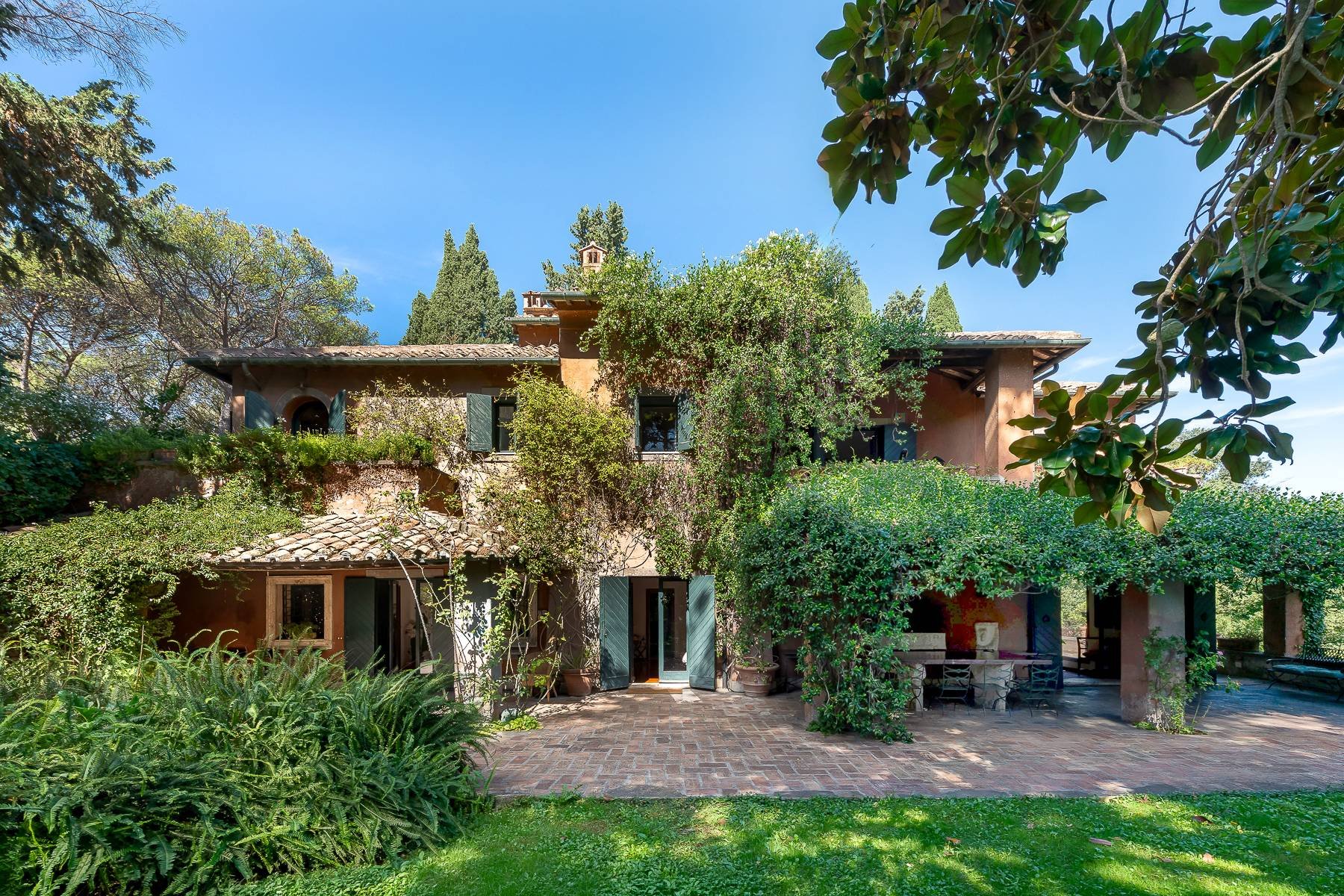
Once home to Sophia Loren and her husband, film producer Carlo Ponti, this secluded villa on Rome’s Appian Way sits above an ancient basalt quarry, with Roman mosaics, 2,000-year-old fragments and a history tied to Cinecittà, Rome’s legendary film studio and the heart of Italy’s postwar cinema.
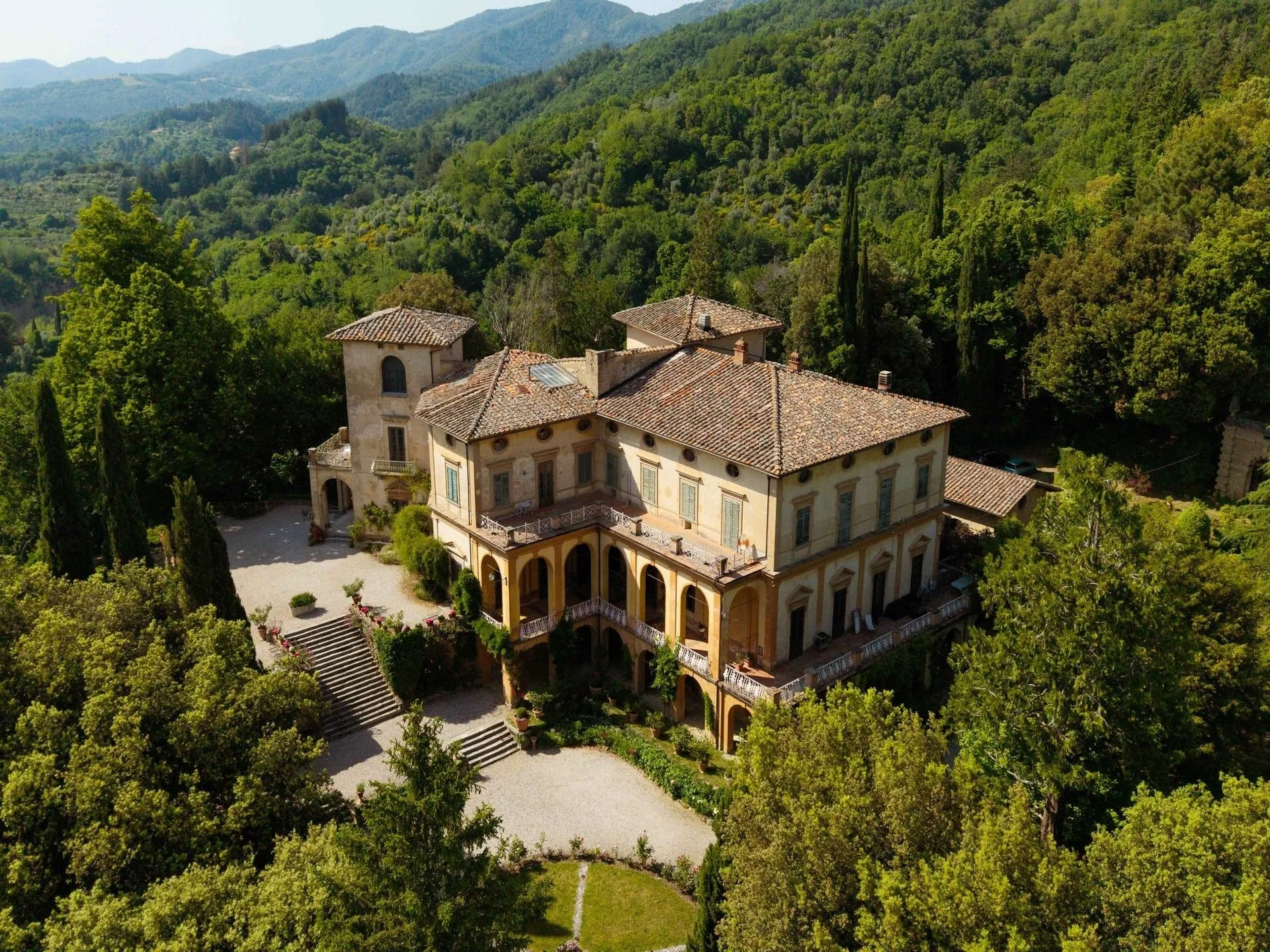
Portrait artist to European royalty and leading cultural figures, Michele Gordigiani reshaped Striano with architect Luigi Del Moro as a house for painting, music and entertaining. Its extraordinary limonaia draws on the same Florentine garden tradition as the famous grotto at the Boboli Gardens.
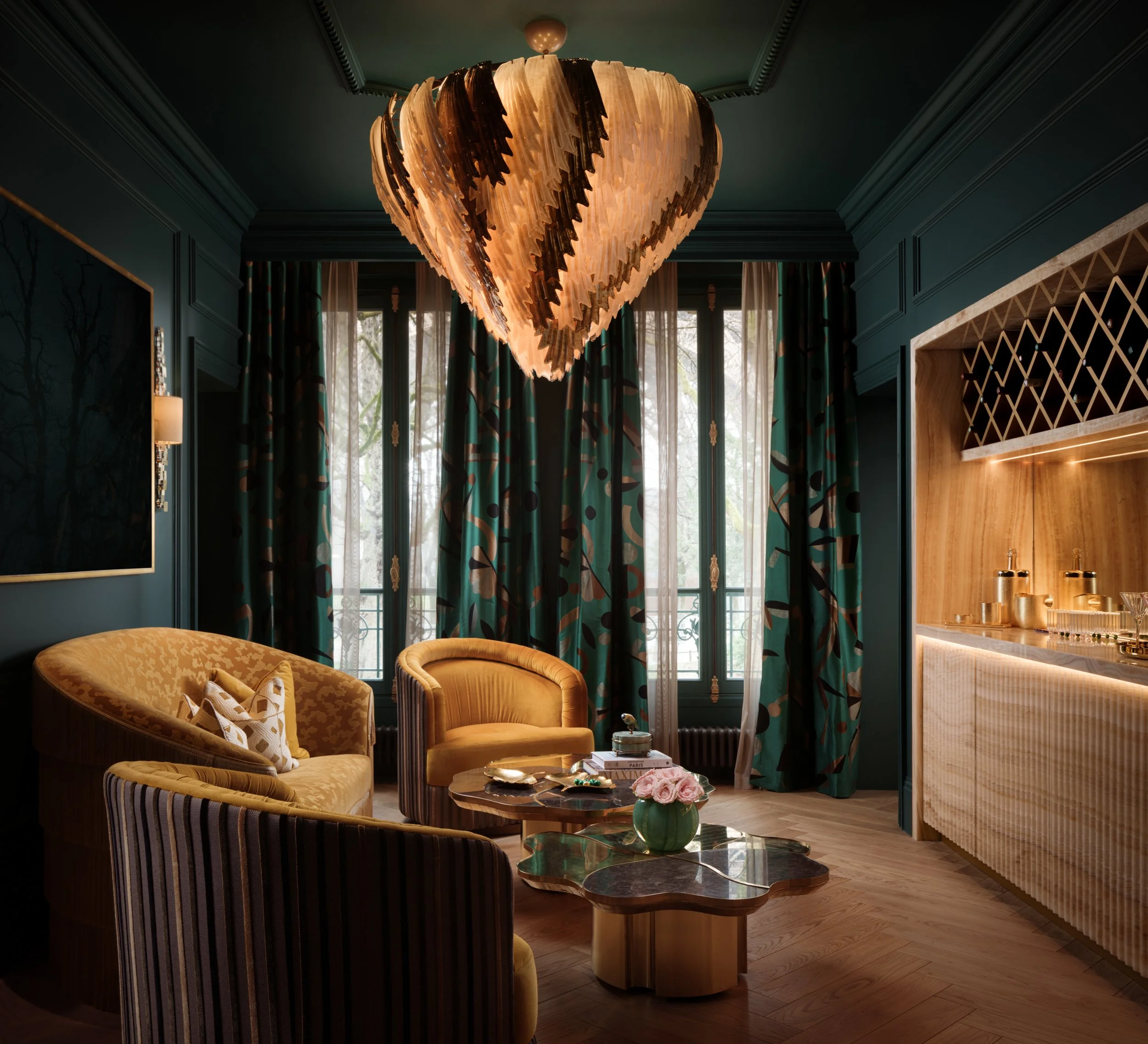
For a California family dreaming of a home in Paris, Callender Howorth transformed a stripped-back apartment overlooking the Eiffel Tower into a deeply personal residence, rebuilding it from the brick up within a historic 1910 building.
Stories
Set in the Val di Noto, a region celebrated for its UNESCO-listed Baroque towns, the property was commissioned as a summer residence by two noble families in the late 1800s. It features grand reception rooms, shaded loggias, a panoramic tower and former stables converted into guest accommodation.
Interiors by Jersey Ice Cream Co. bring textured plaster and reclaimed wood to this Hudson Valley farmhouse, alongside centuries-old beams, 2-foot-wide floorboards and restored Shaker cabinetry.
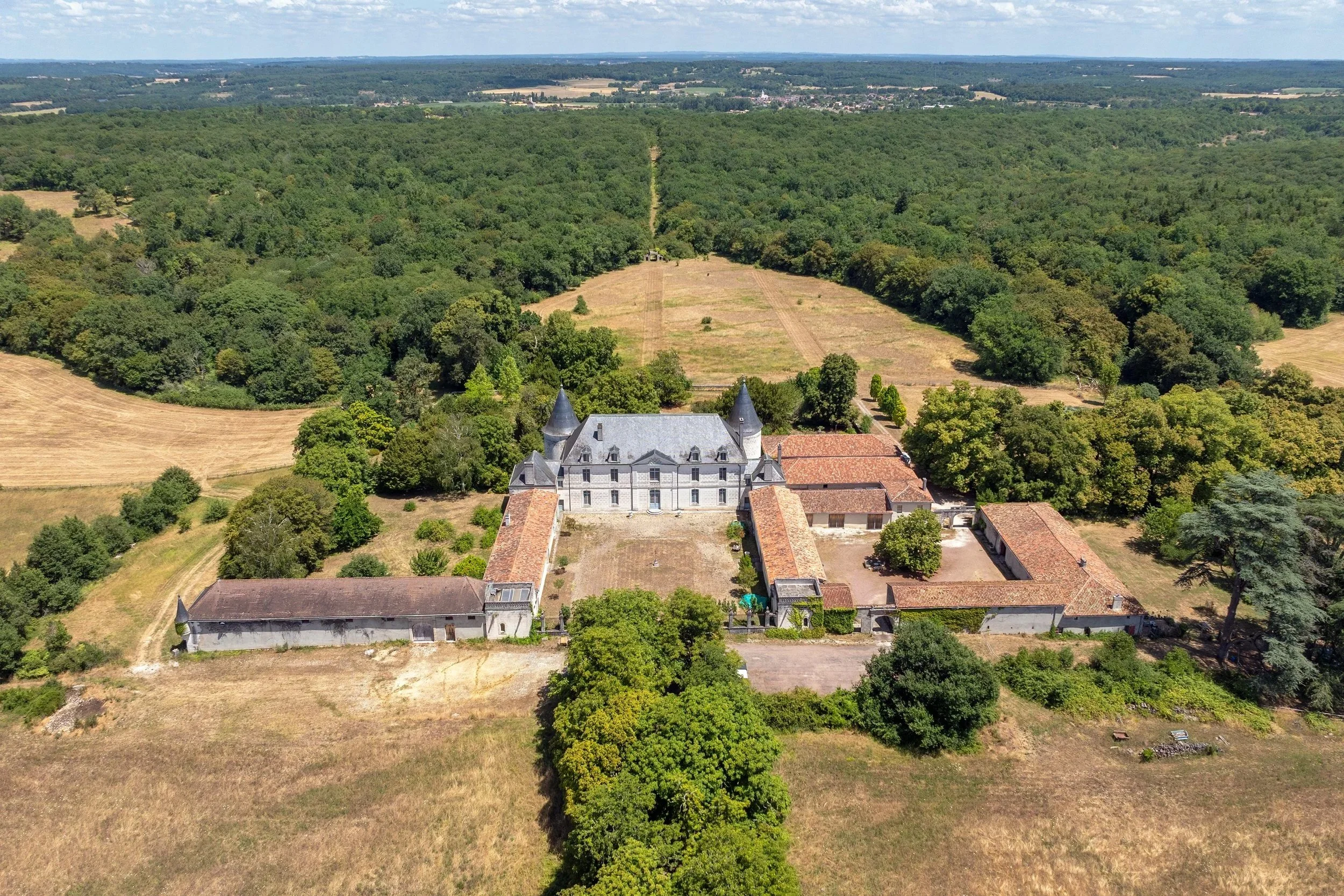
Located in the Dordogne near Mareuil-en-Périgord, this château has nearly 9,700 sq ft of interiors stripped back and ready for a complete restoration.
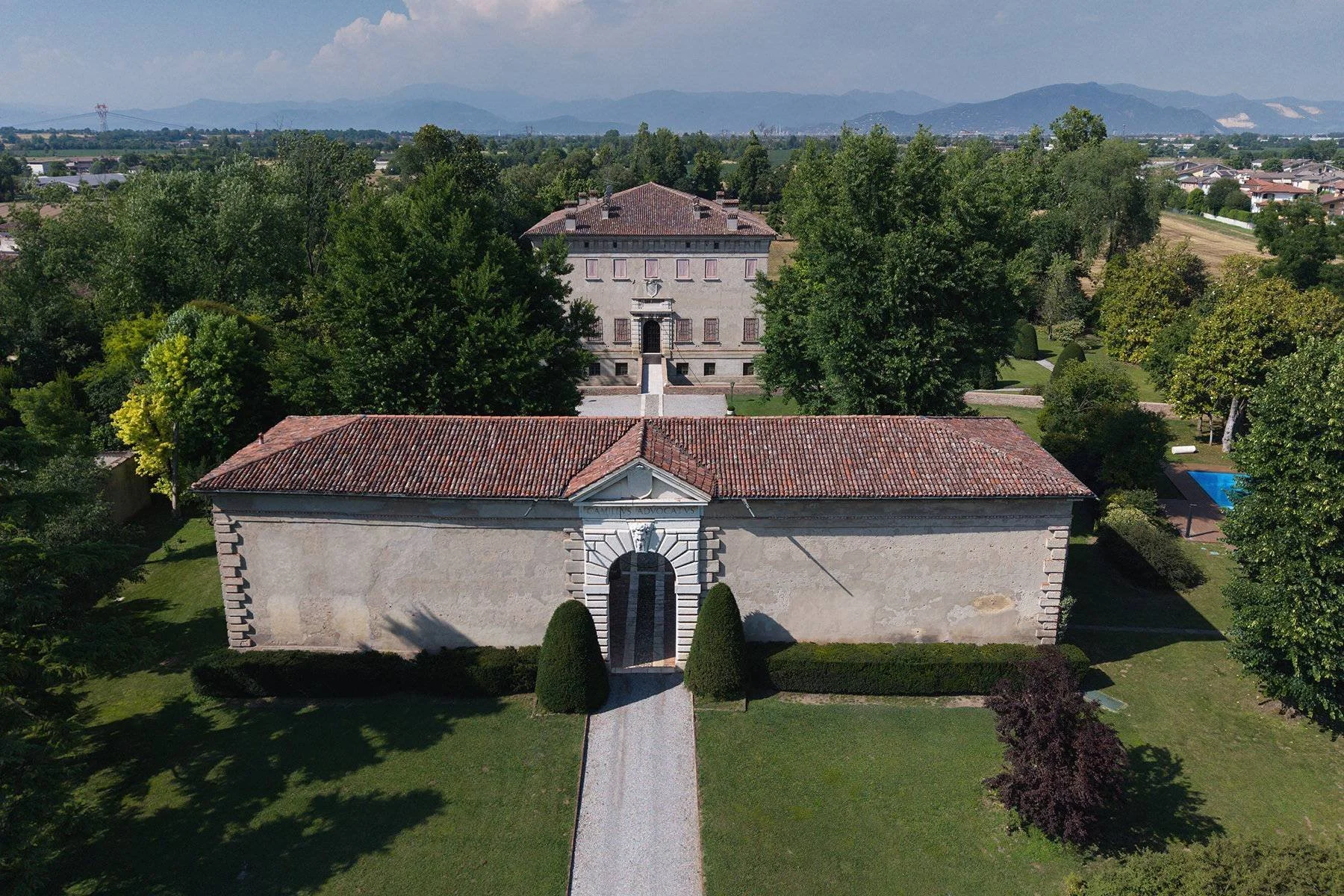
Restored in the 1970s, Castello Avogadro Spada became a cultural salon that hosted Italian industrialists, royalty, and contemporary artists such as Cy Twombly, Christo, Alberto Burri and Michelangelo Pistoletto.
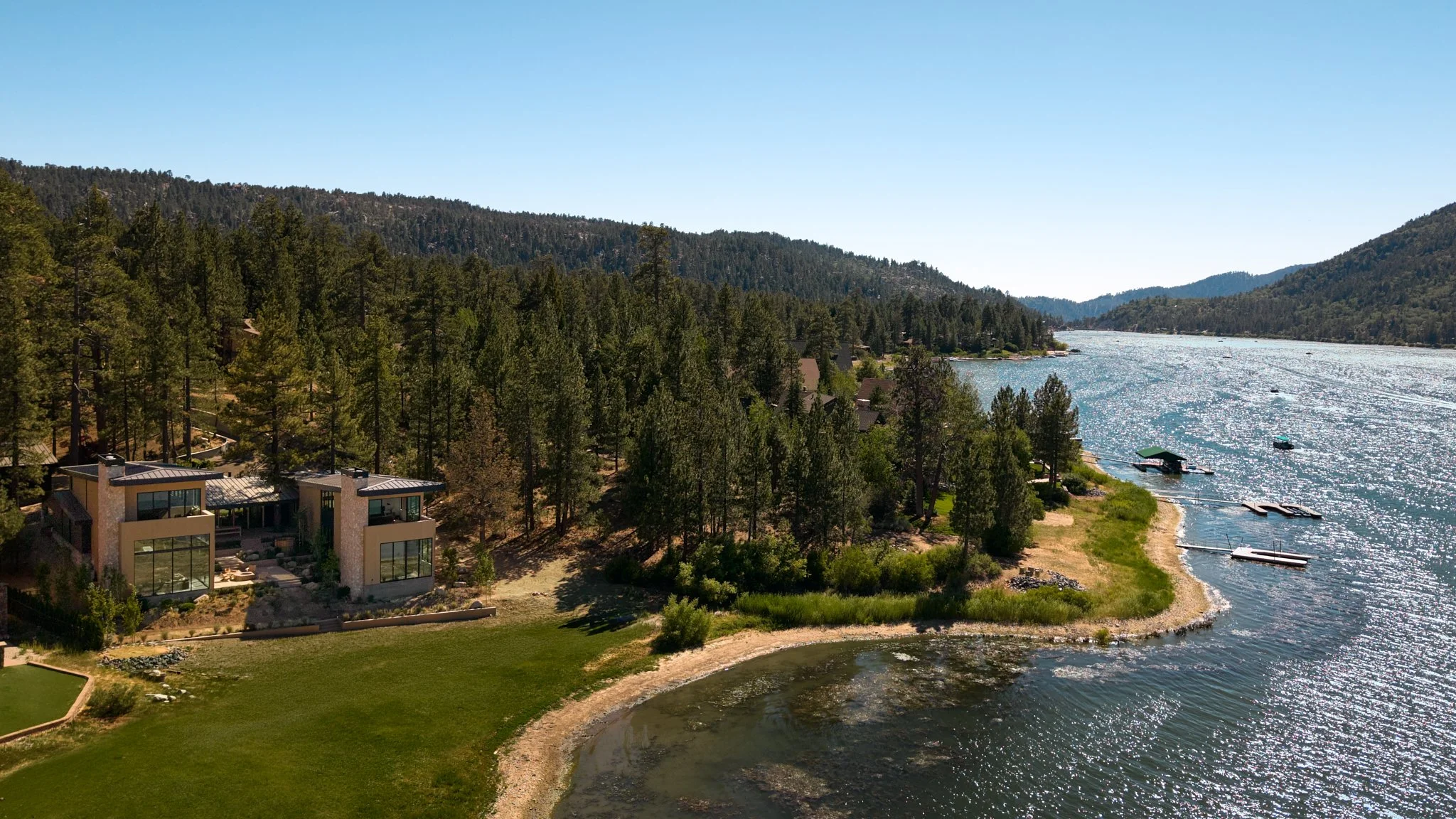
Designed by husband-and-wife duo Beau Laughlin and Lindsey Gort of Framework Design + Build, this Big Bear lake house pairs pale oak, natural stone and expansive glass with warm, highly refined interiors that move well beyond the traditional mountain-cabin look.
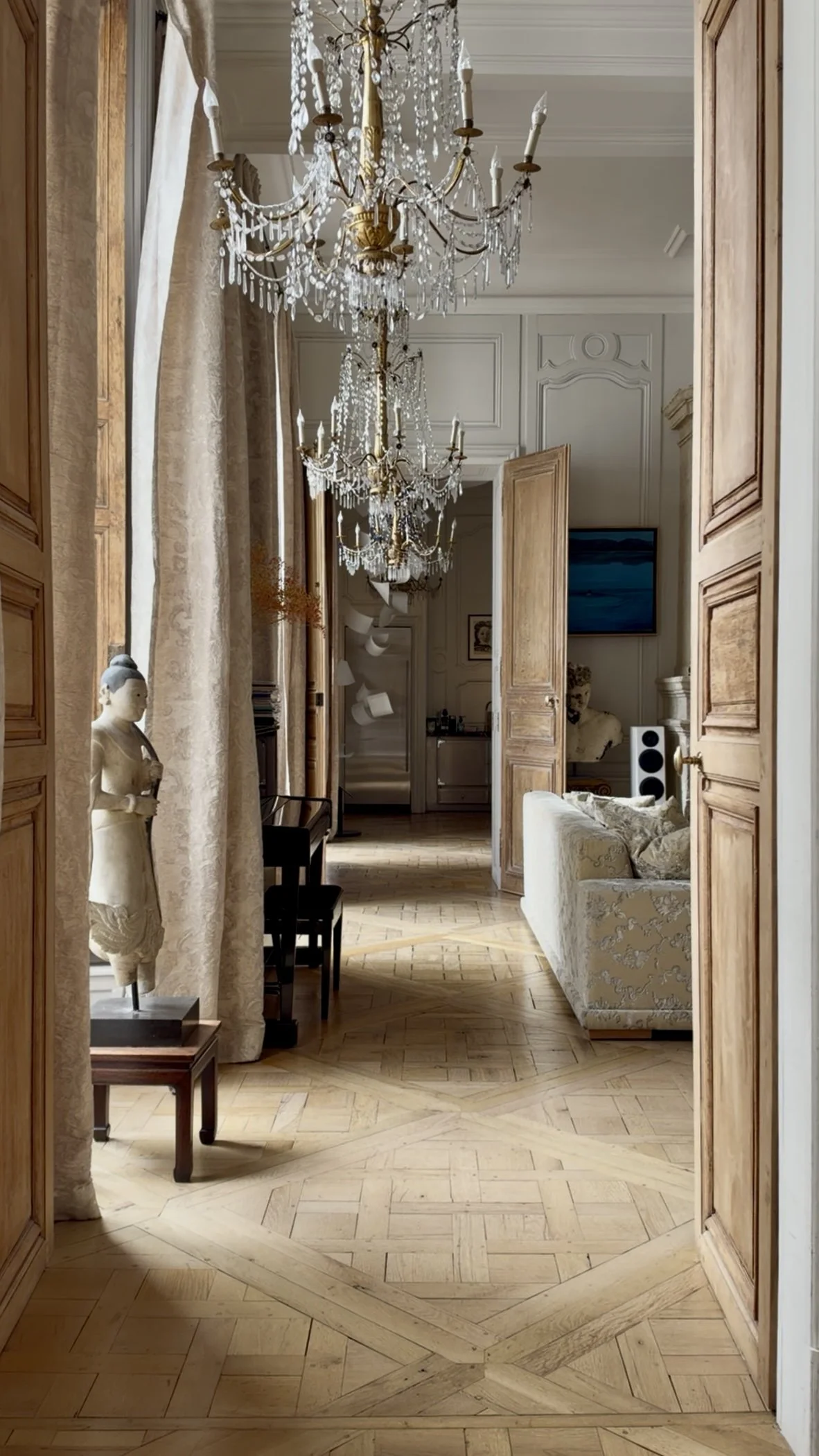
Built around 1640–1644, this hôtel particulier, or private Parisian mansion,is associated with the noble Le Bouteiller de Senlis family, it passed to the Marquis de Flammarens in 1728, during the reign of Louis XV.
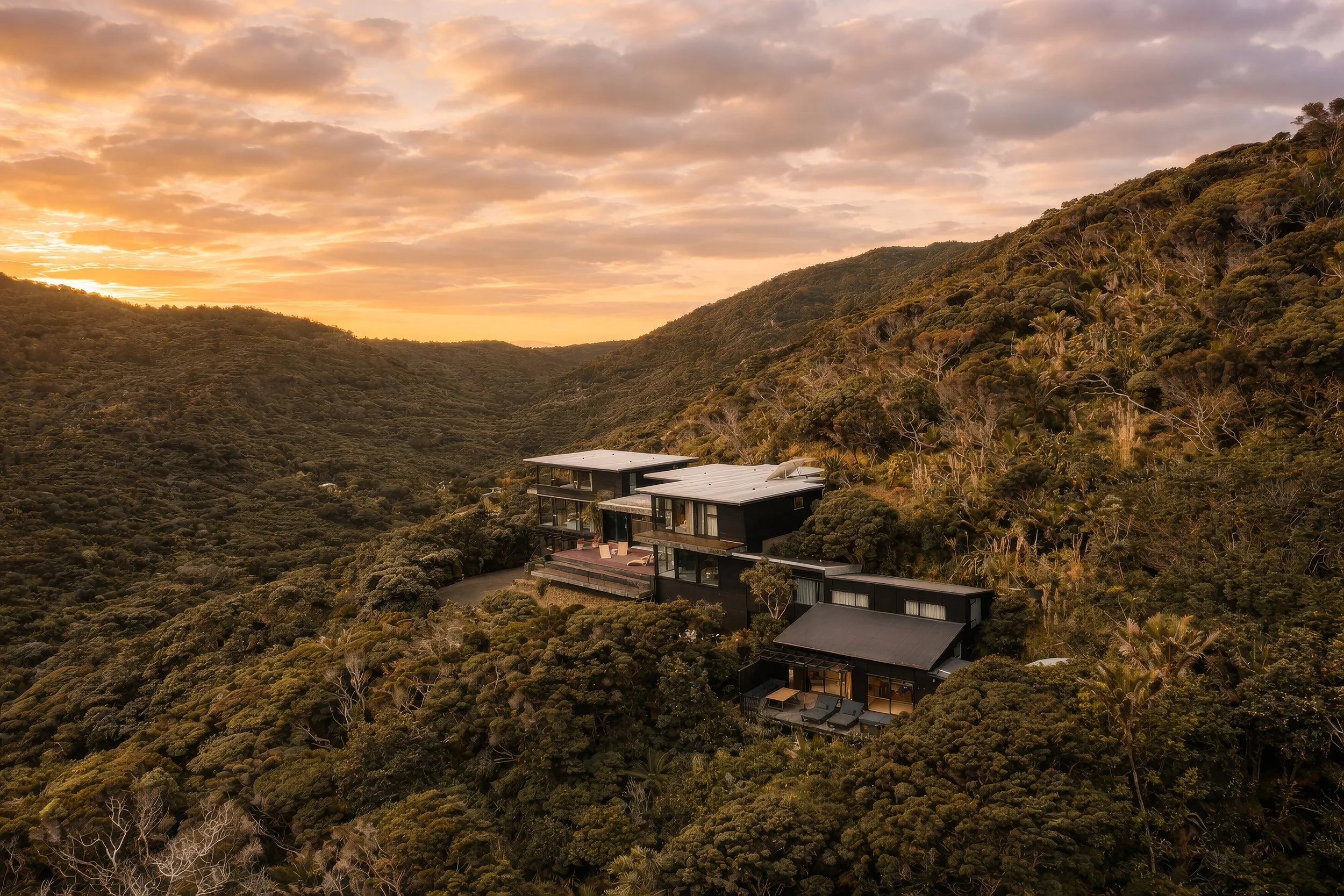
The Louises overlooks Lion Rock and the Tasman Sea, surrounded by native bush and subtropical gardens and set across 7 acres above Piha’s black-sand coast. One of New Zealand’s best-known surf destinations, Piha feels remote and raw, but sits less than an hour from central Auckland.
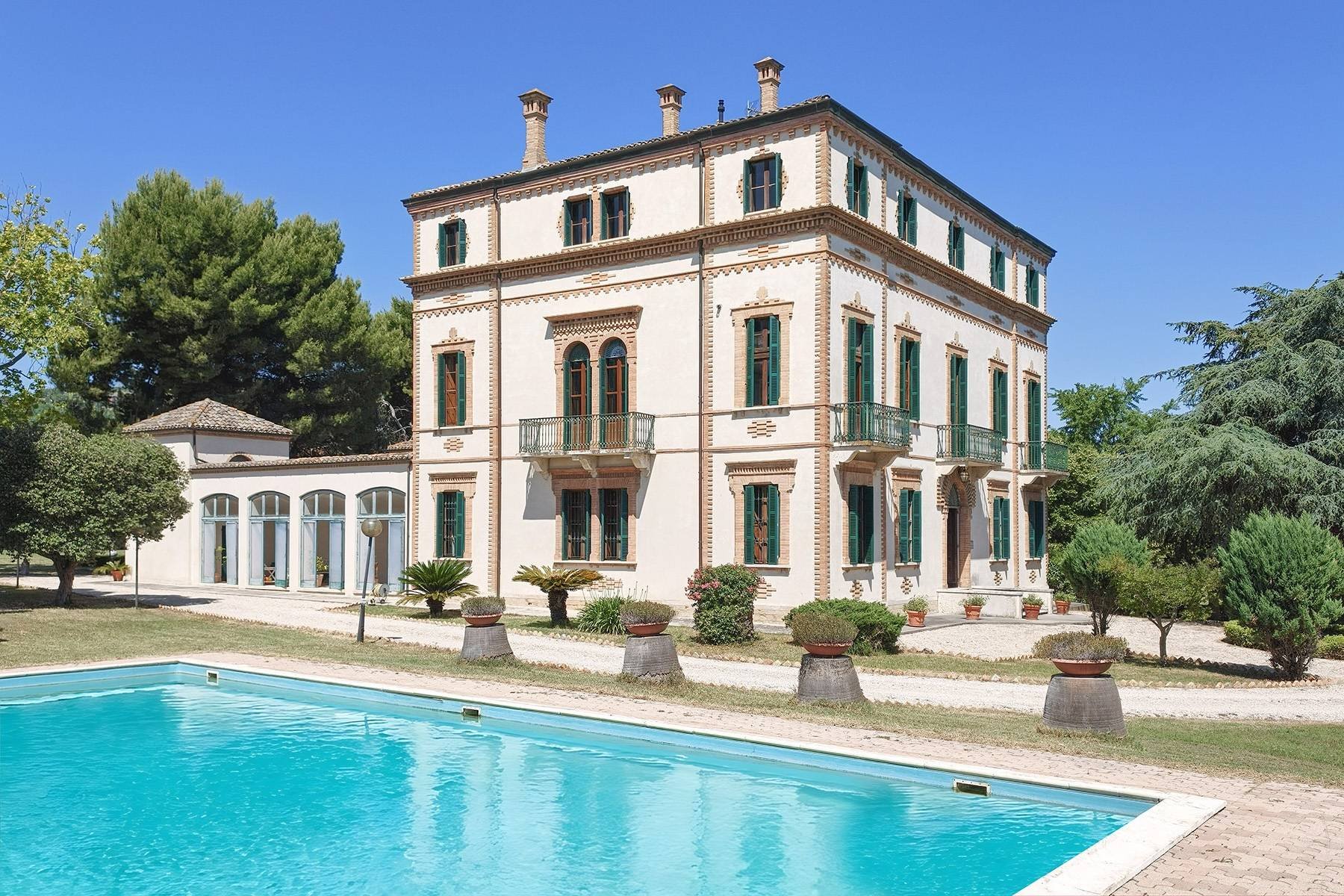
A 19th century villa in Porto San Giorgio offers 15 bedrooms, Adriatic Sea views and a nearly 5-acre park with a pool, just minutes from the beach.
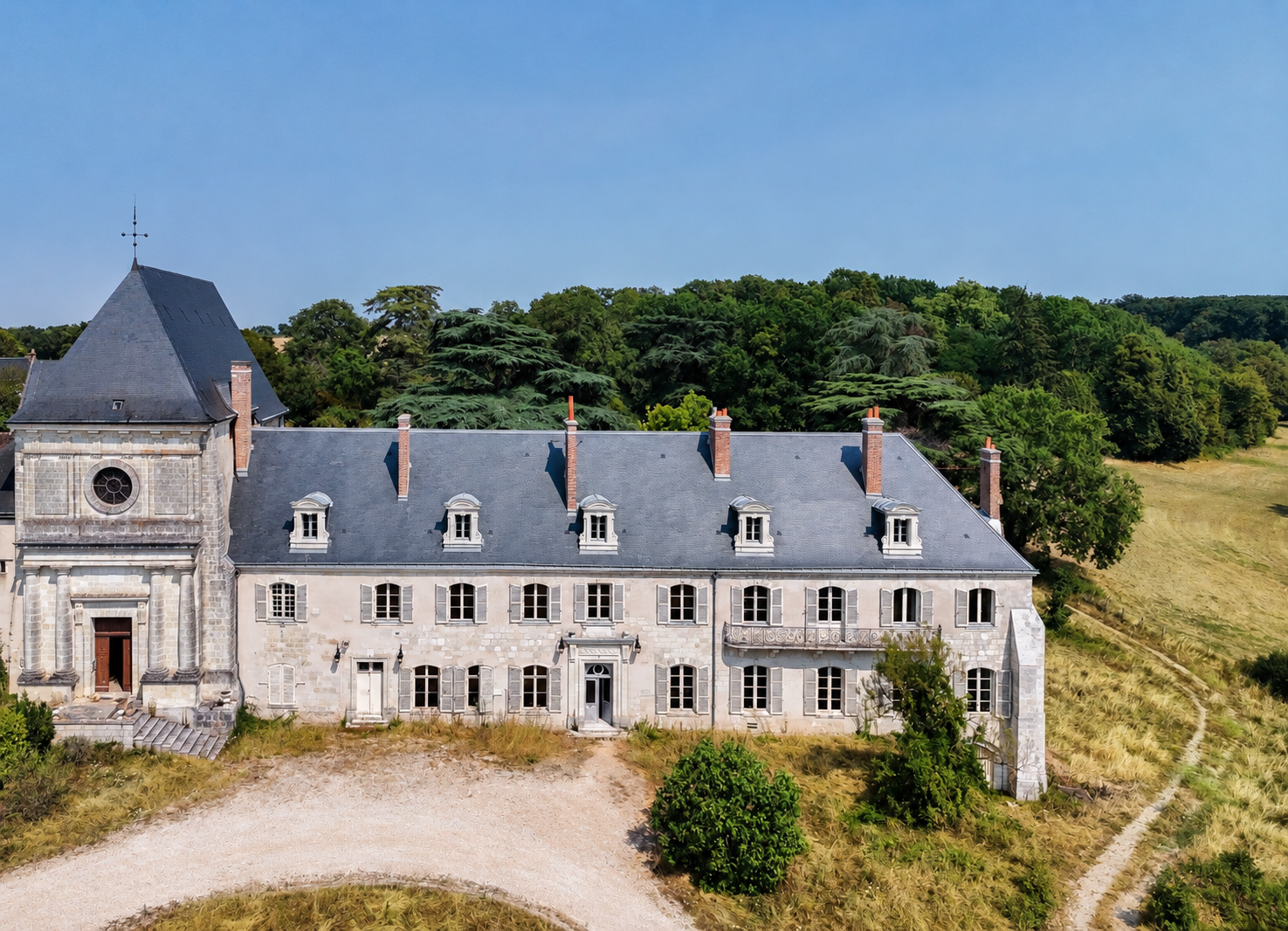
A former Benedictine abbey in France’s Loir Valley is for sale for €1.8 million. The 209-acre estate includes an 18th-century château, a medieval chapter house and an abbey church, about 2½ hours from Paris.
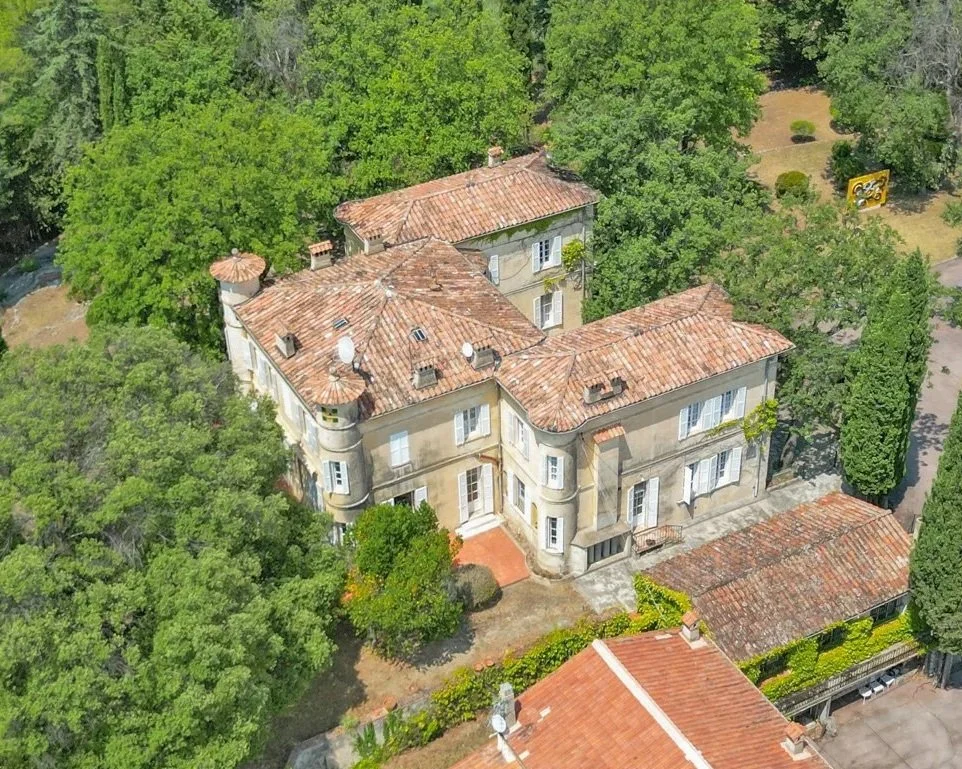
Tormer Provençal home and studio of Nadia Léger, is on the market in Callian for €3.15 million. Set across 7.4 acres with olive groves, a pool and a 4,198 ft² artist’s studio, the estate offers a rare link to the Polish-born modern artist whose work has recently returned to the spotlight after decades in the shadow of her husband, Fernand Léger.
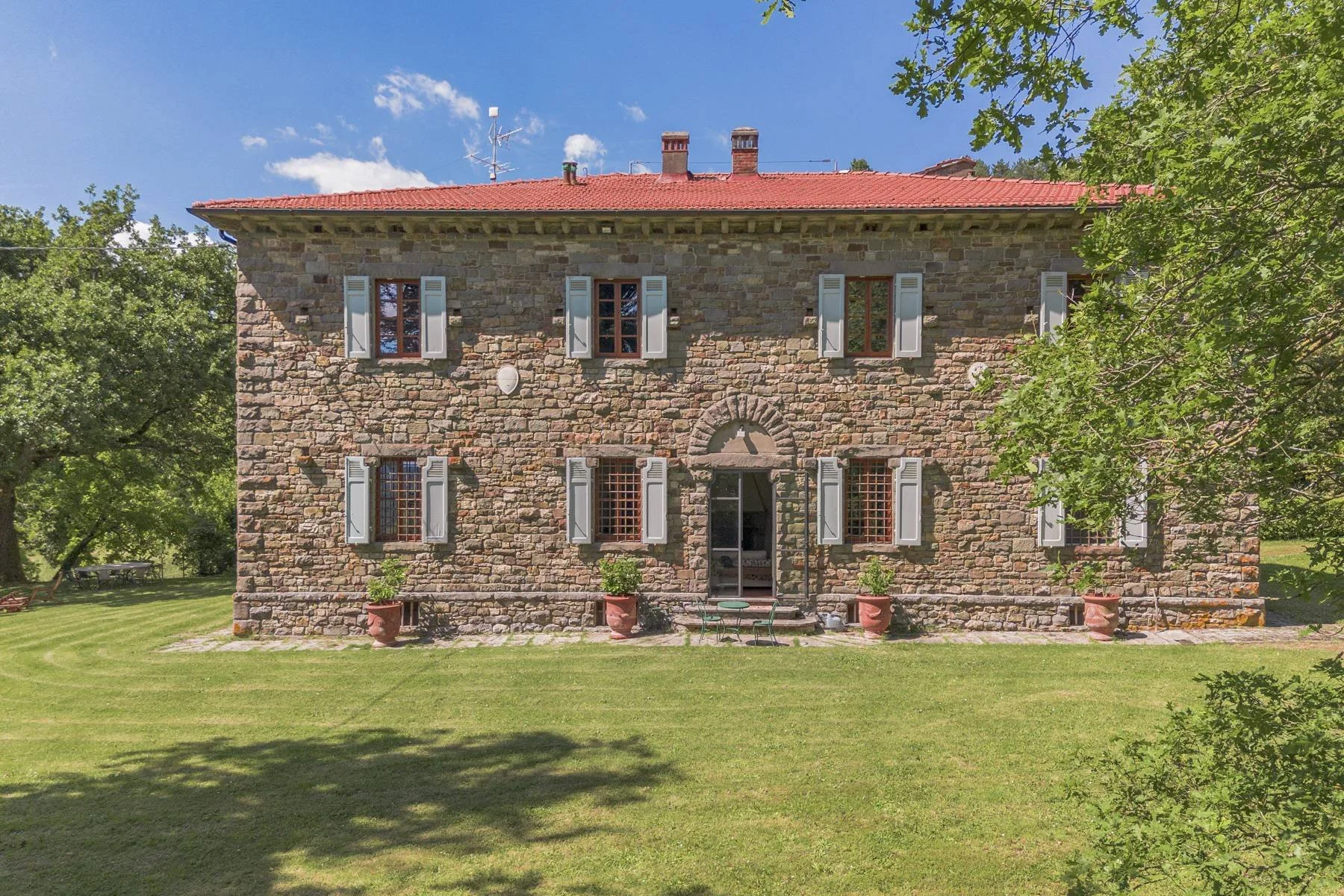
North of Florence, the 44-hectare estate sits in Tuscany’s greener, more mountainous and heavily wooded landscape, near the Mugello, the historic homeland of the Medici family.
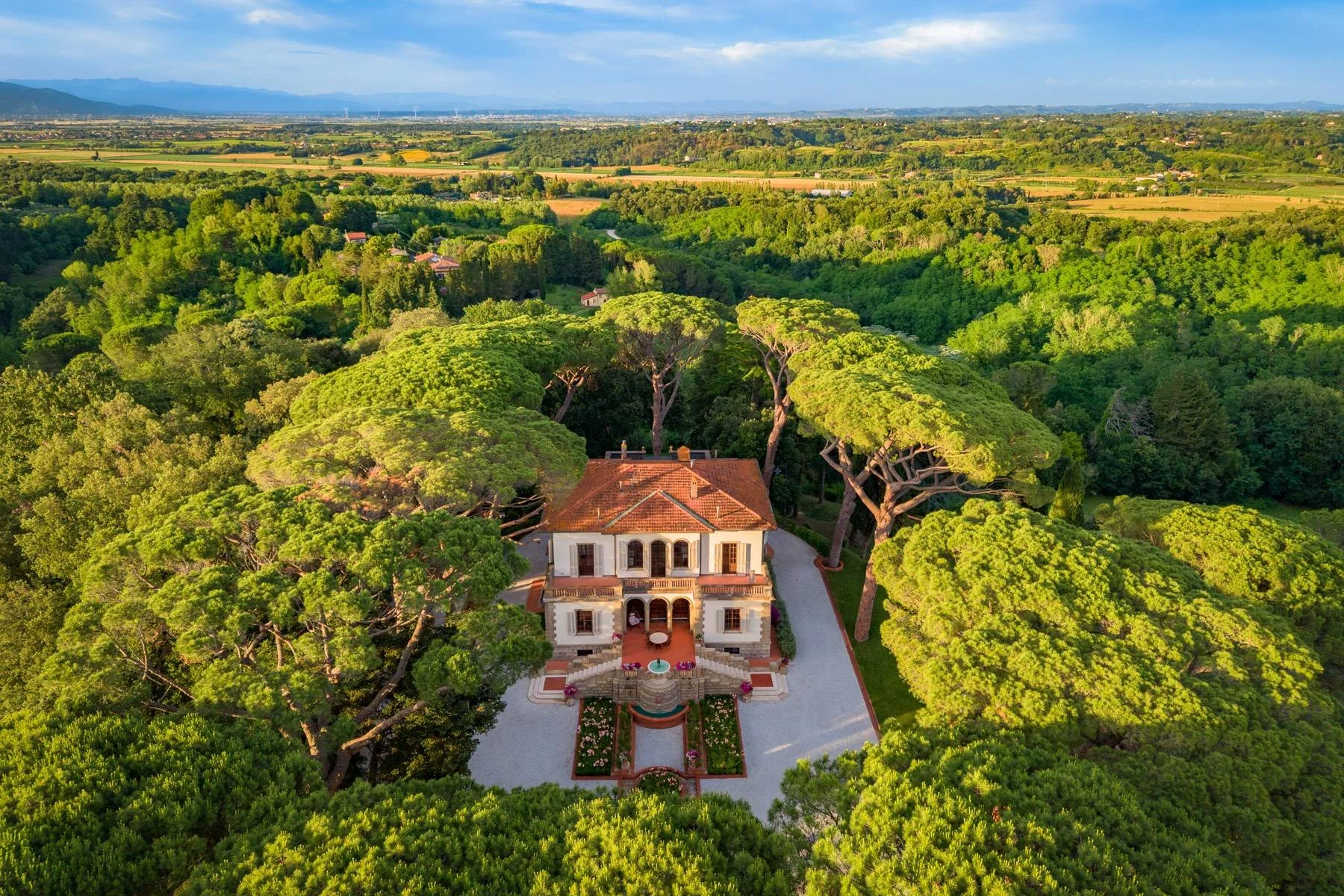
Set in the Pisan hills near Fauglia, the restored villa dates to the early 20th century and is built in the Liberty style, the Italian take on Art Nouveau.
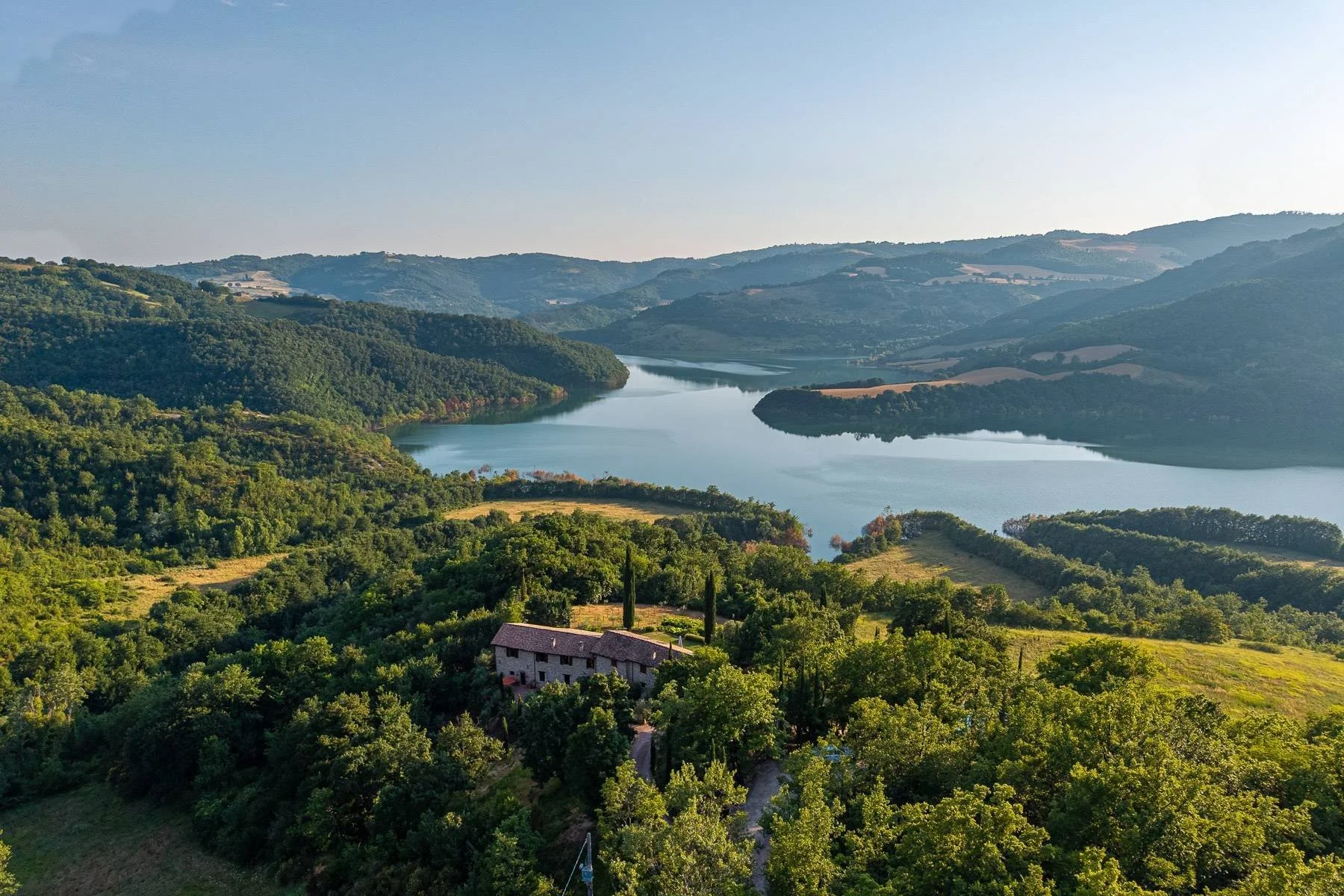
Known as the “green heart of Italy,” Umbria is home to this historic Antico Borgo Rurale, where a group of old farm buildings has been restored as one private estate.

“What separates Staples Point is that its greatest assets can’t be recreated,” says listing agent Sam Michaud of Legacy Properties Sotheby’s International Realty. “The land, the frontage, the five lighthouse views, the privacy and the proximity to Portland cannot be replicated.”

The property offers both scale and charming setting in a region gaining international attention for its wines and landscapes.
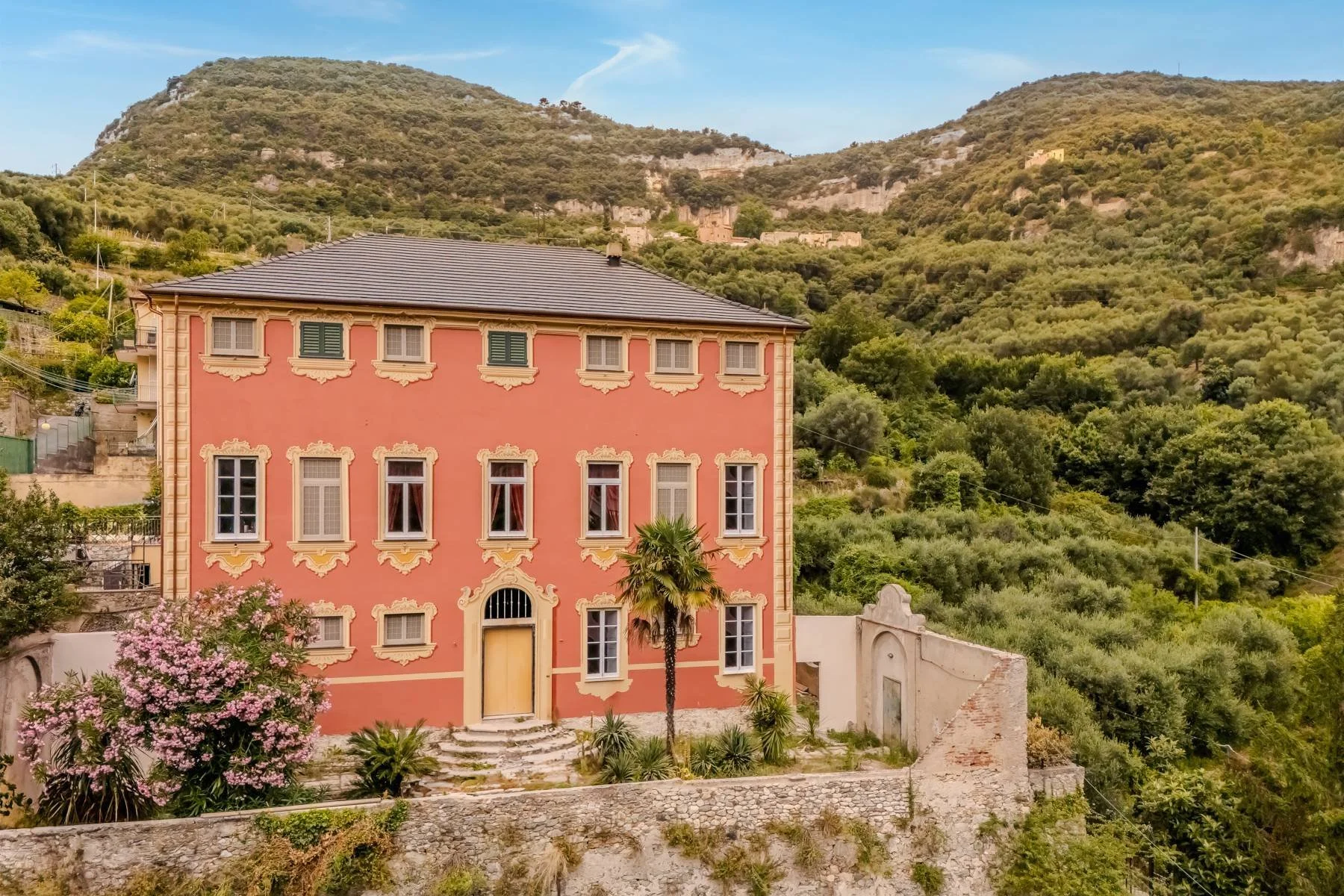
Set within the Sciusa Valley near Noli and Spotorno, the 3-bedroom residence occupies the villa’s piano nobile, its principal reception floor, with vaulted ceilings, 18th-century frescoes, private grounds and a swimming pool.
Just above the Arctic Circle, on Norway’s Lofoten Islands, this white 1950 farmhouse sits between wildflower meadows, steep mountains, fjords and white-sand beaches.
Once home to Sophia Loren and her husband, film producer Carlo Ponti, this secluded villa on Rome’s Appian Way sits above an ancient basalt quarry, with Roman mosaics, 2,000-year-old fragments and a history tied to Cinecittà, Rome’s legendary film studio and the heart of Italy’s postwar cinema.
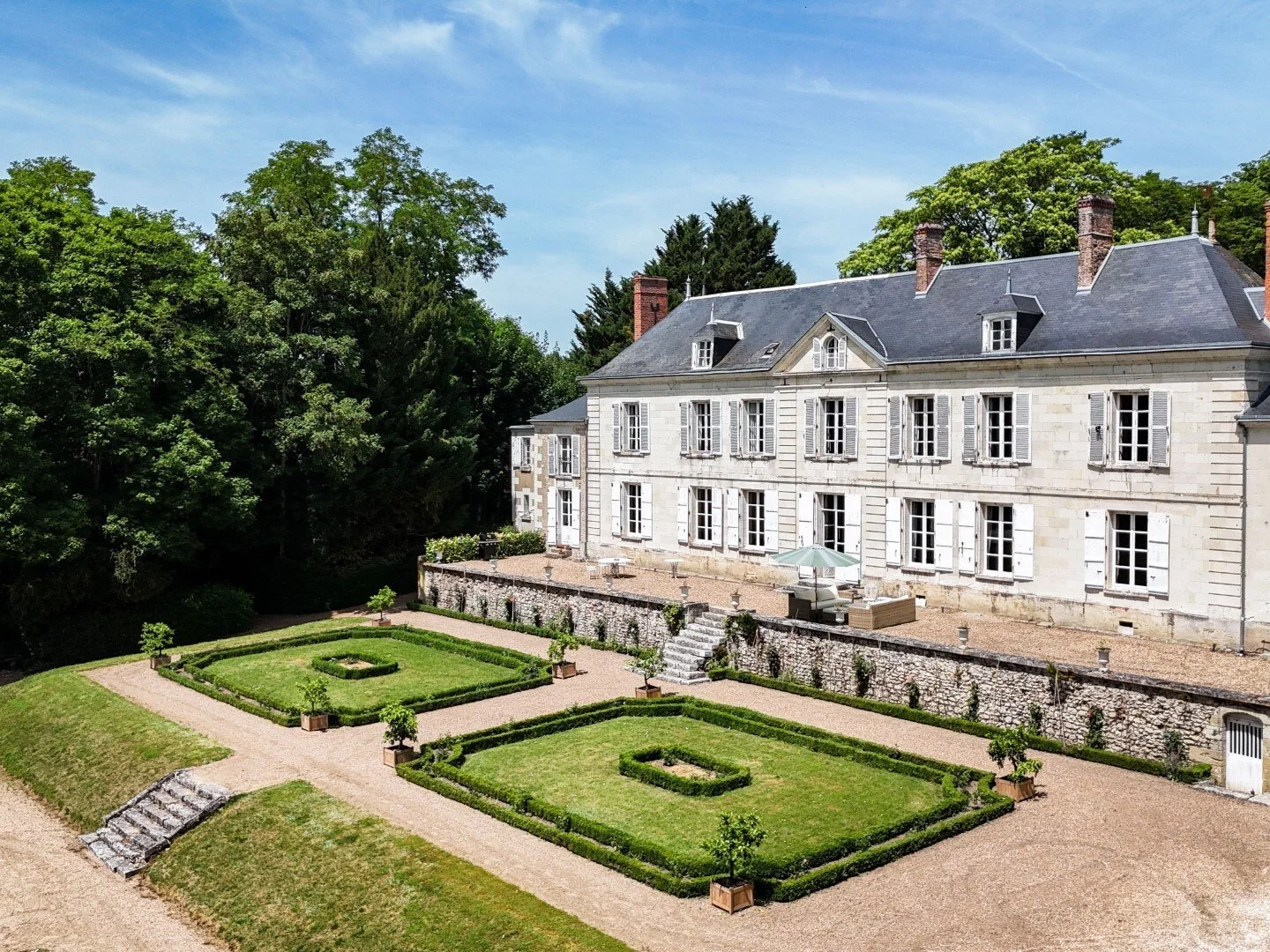
For someone dreaming of restoring a château in the Loire Valley, less than 2 hours from Paris, much of the original fabric remains intact and ready for its next chapter.
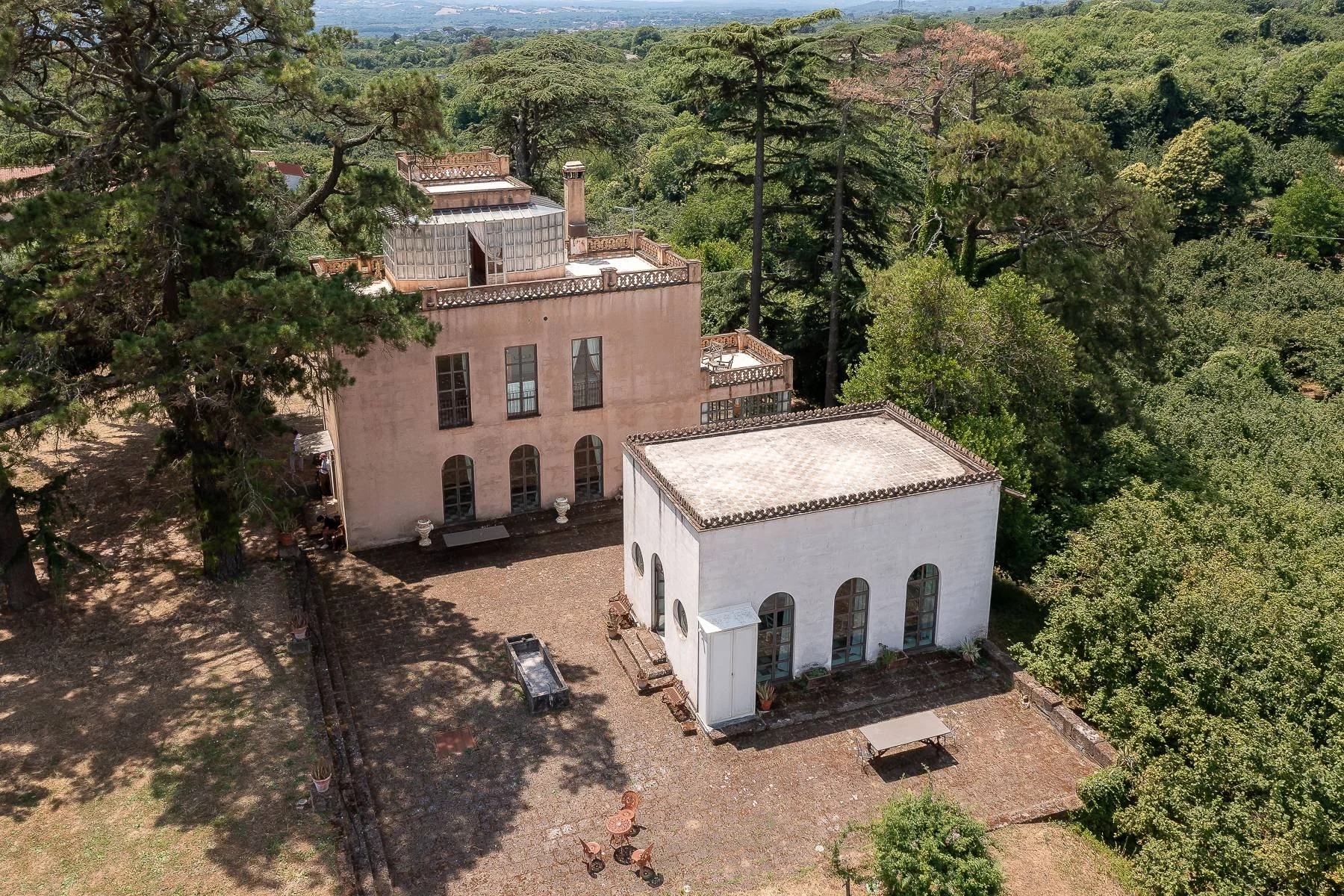
Less than an hour from Rome, this restored 19th-century farmhouse sits on nearly 10 acres in the Etruscan countryside. Rebuilt from a ruin by 21-year-old photographer Filippo Chia, it reflects both his family’s Renaissance roots and the international art world he grew up around.
Featured Listings
Architecture and Design
Designed by husband-and-wife duo Beau Laughlin and Lindsey Gort of Framework Design + Build, this Big Bear lake house pairs pale oak, natural stone and expansive glass with warm, highly refined interiors that move well beyond the traditional mountain-cabin look.
The Louises overlooks Lion Rock and the Tasman Sea, surrounded by native bush and subtropical gardens and set across 7 acres above Piha’s black-sand coast. One of New Zealand’s best-known surf destinations, Piha feels remote and raw, but sits less than an hour from central Auckland.
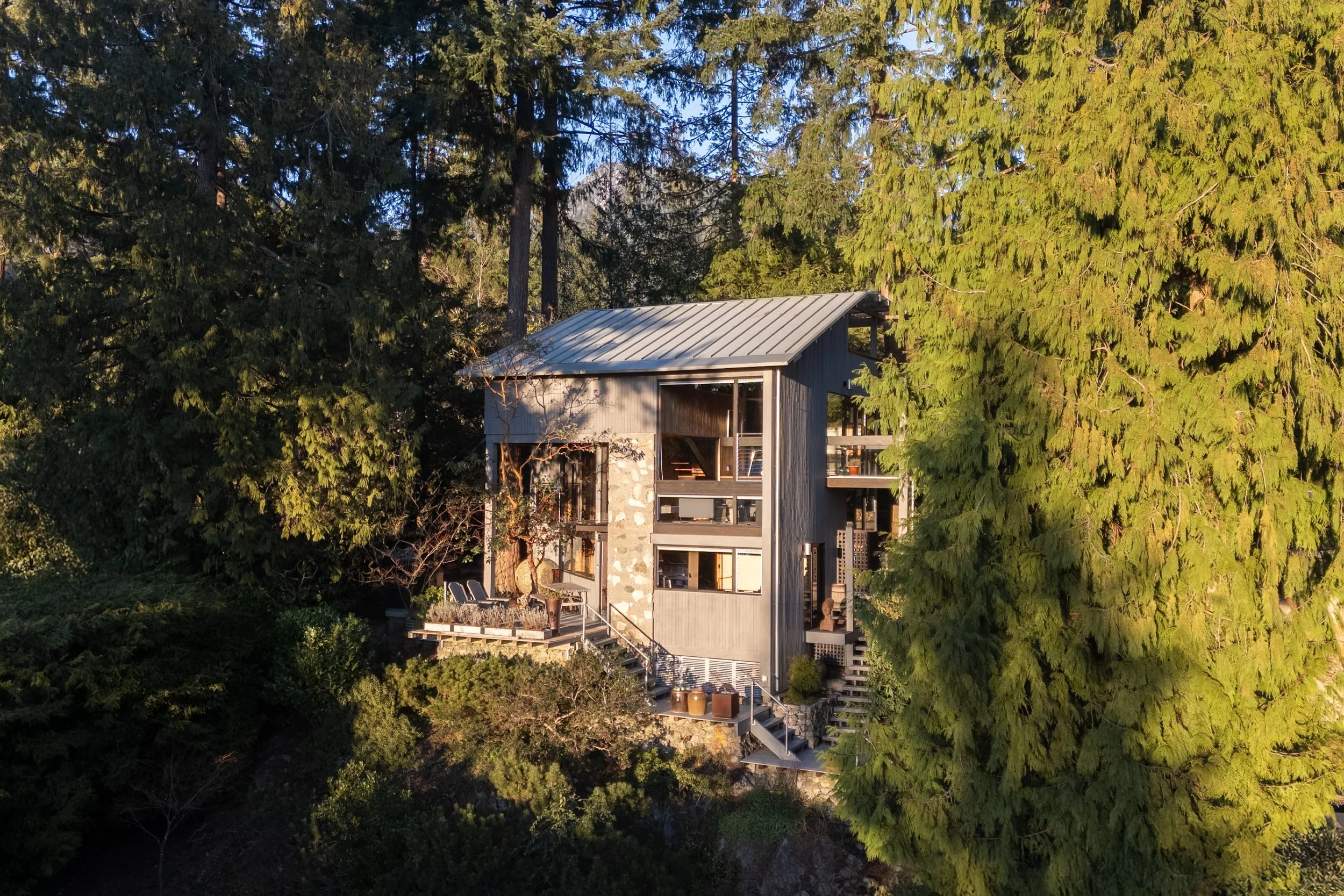
Barry Griblin built this West Vancouver home for himself in 1973, with six levels rising through the trees above Fisherman’s Cove Marina. Listed with West Coast Modern for C$2,175,000 in March 2026, it sold the following month for C$2,075,000.
Châteaux and Castles
From a 17th-century distillery in the French countryside to the royal court of Louis XV, the story of Château du Busca-Maniban traces the rise of Armagnac beyond Gascony. Now, after more than 220 years of family ownership, the historic estate is for sale.
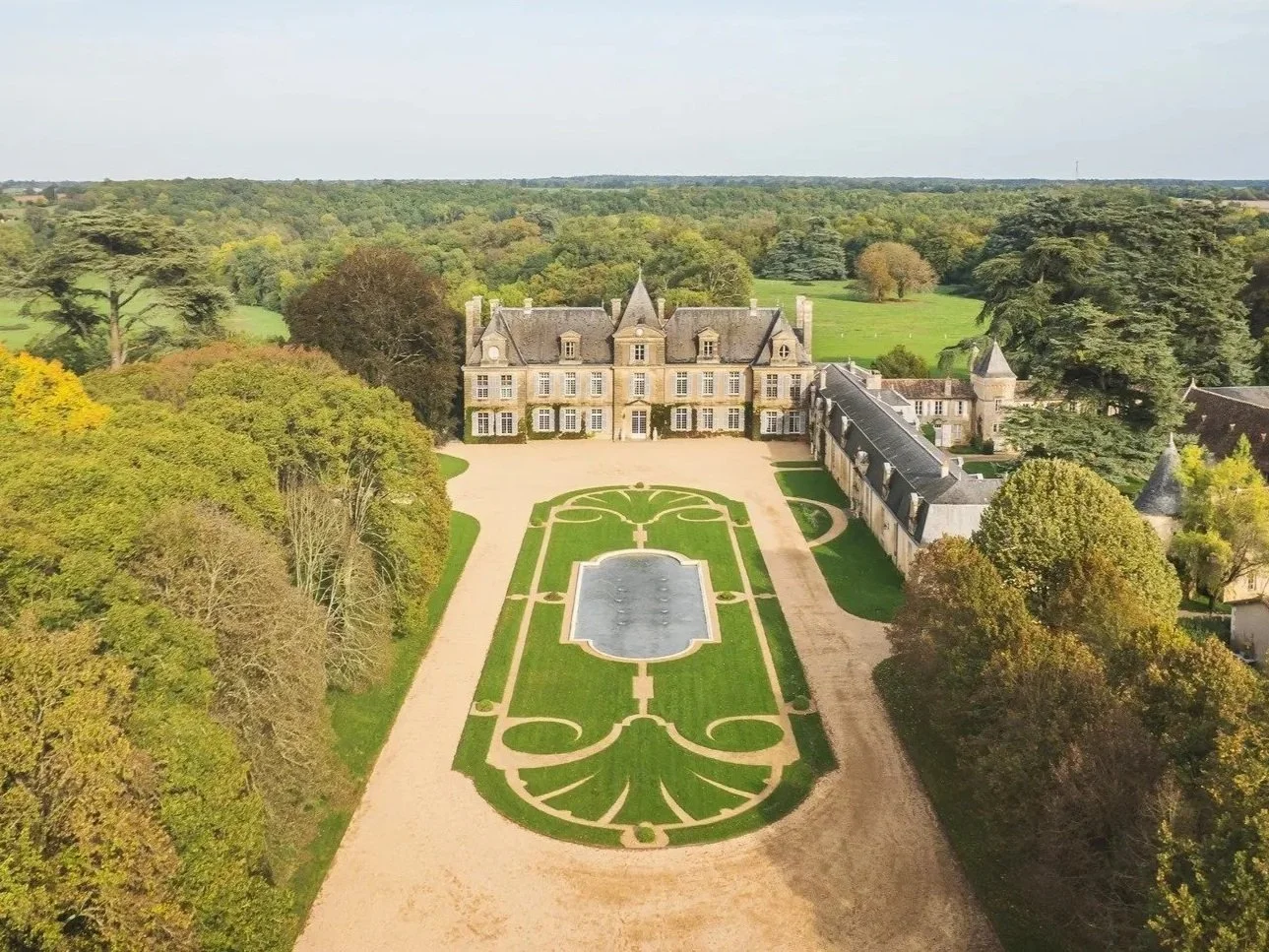
The château dates back to 1710 and later became a Relais & Châteaux hotel before the current owner restored it over four years and reopened it for exclusive-use stays.
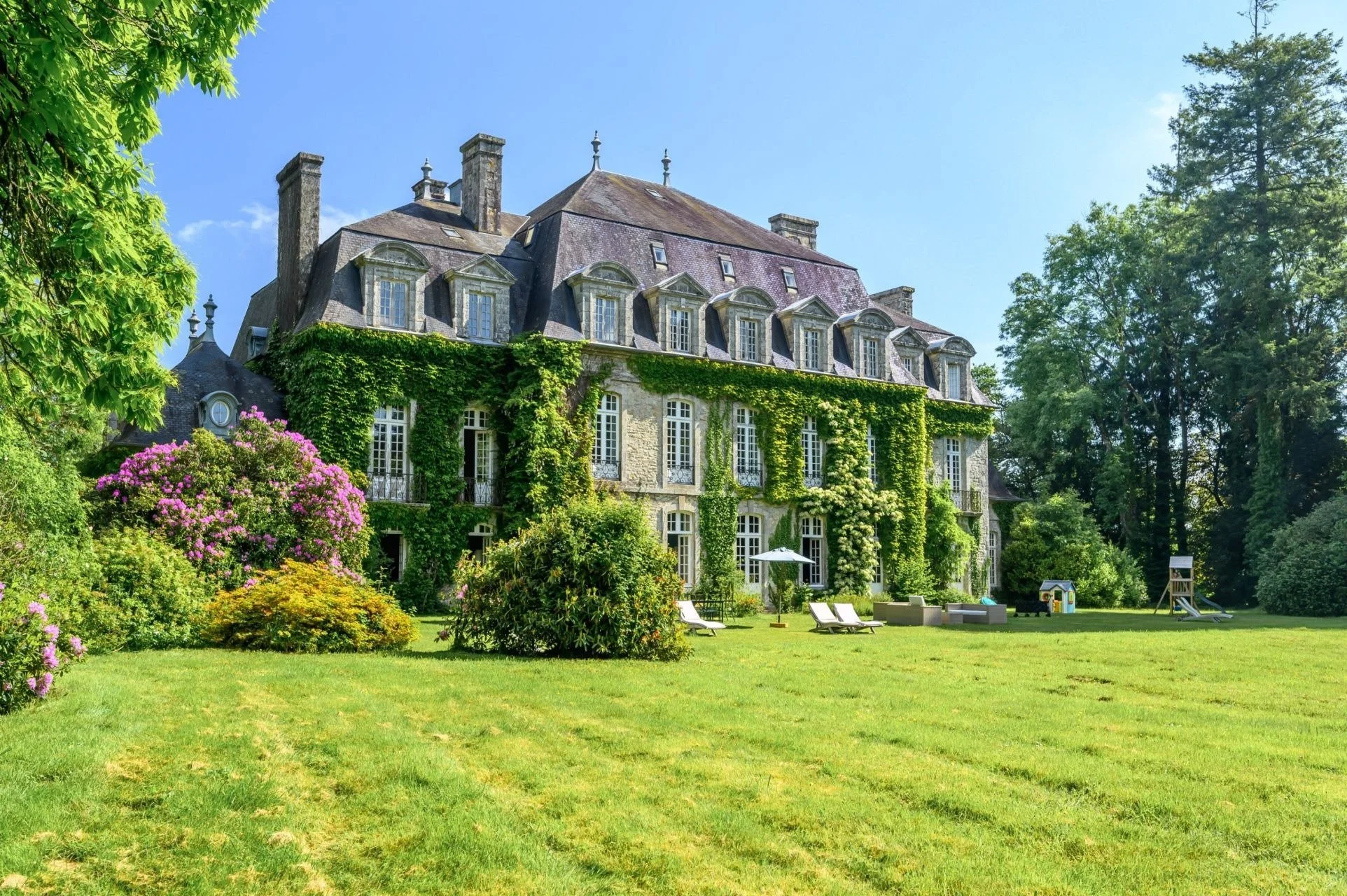
An early-1900s château built in the Louis XVI style offers 11 en-suite bedrooms, guest houses, six-stall stables and two stocked ponds. A former wellness retreat, the estate includes a gym, yoga studio and massage rooms, as well as an indoor pool, sauna and hammam.
The Greenwich Village studio belonged to Alfonso Ossorio, an artist, collector and early patron of Pollock, who hosted the painter and his wife, Lee Krasner, in early 1951. During their stay, Pollock is believed to have produced a series of drawings, one of which later sold at Christie’s for $4.5 million.